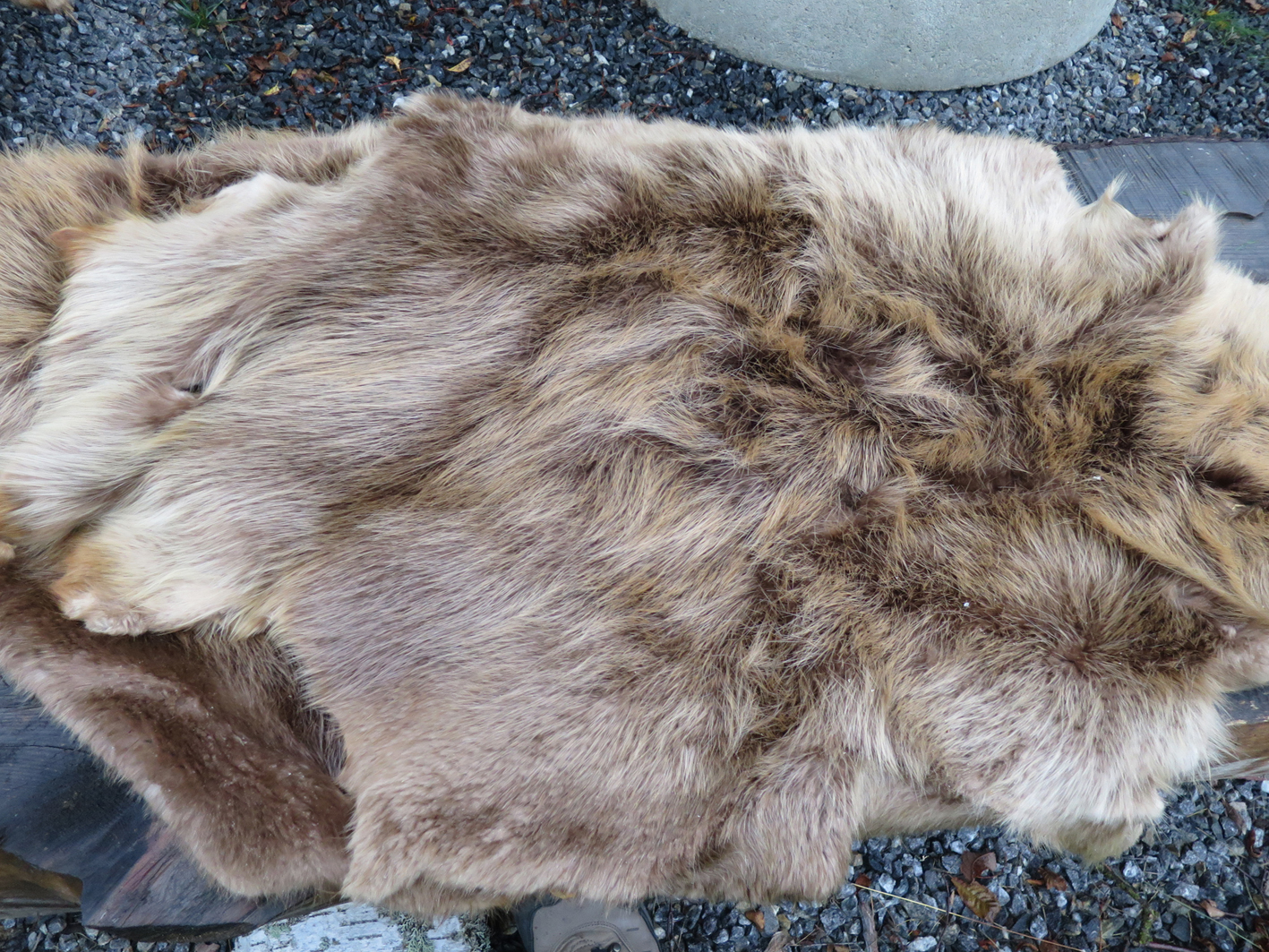
beaver
-
Opening the box
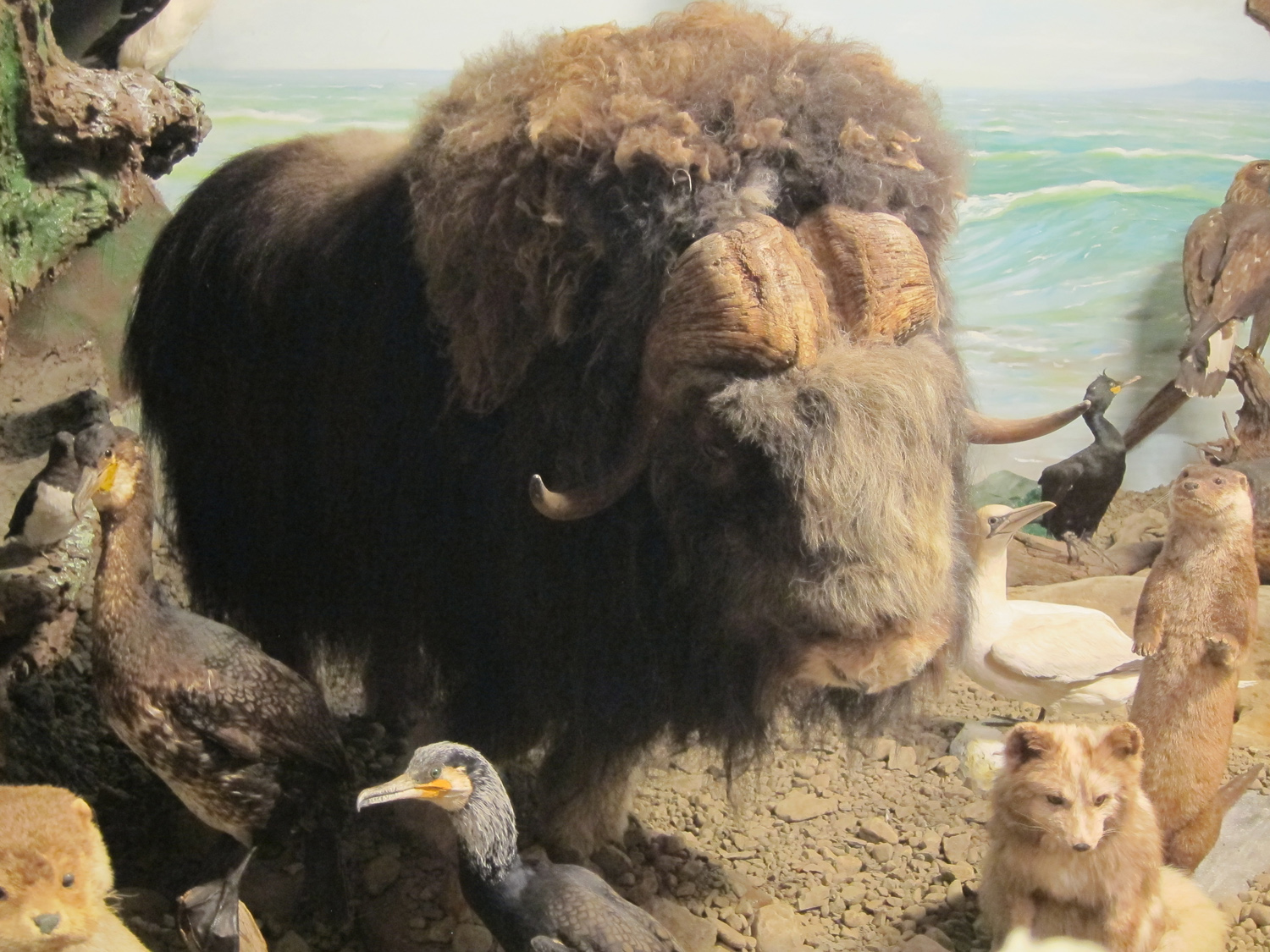
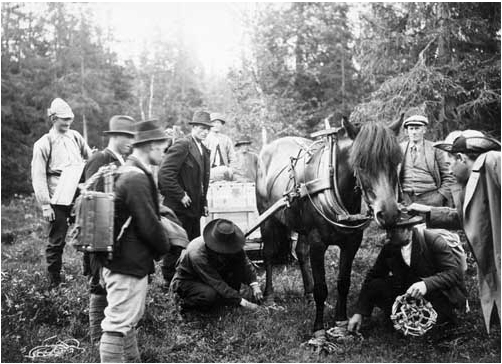
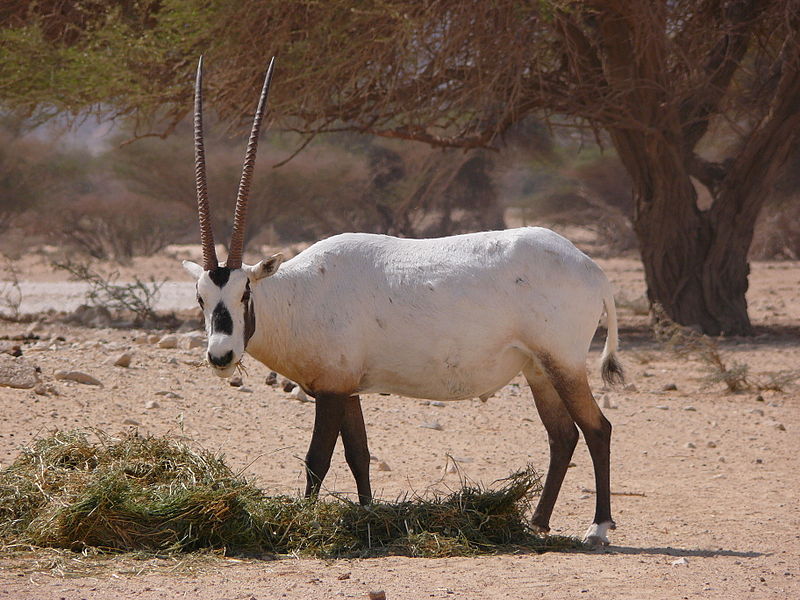
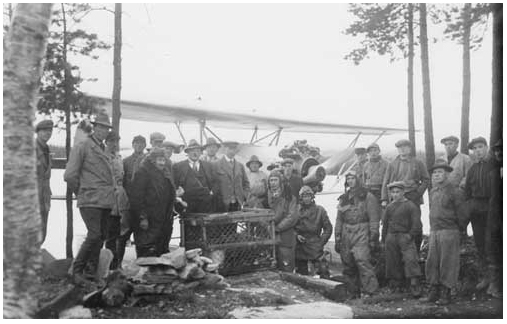
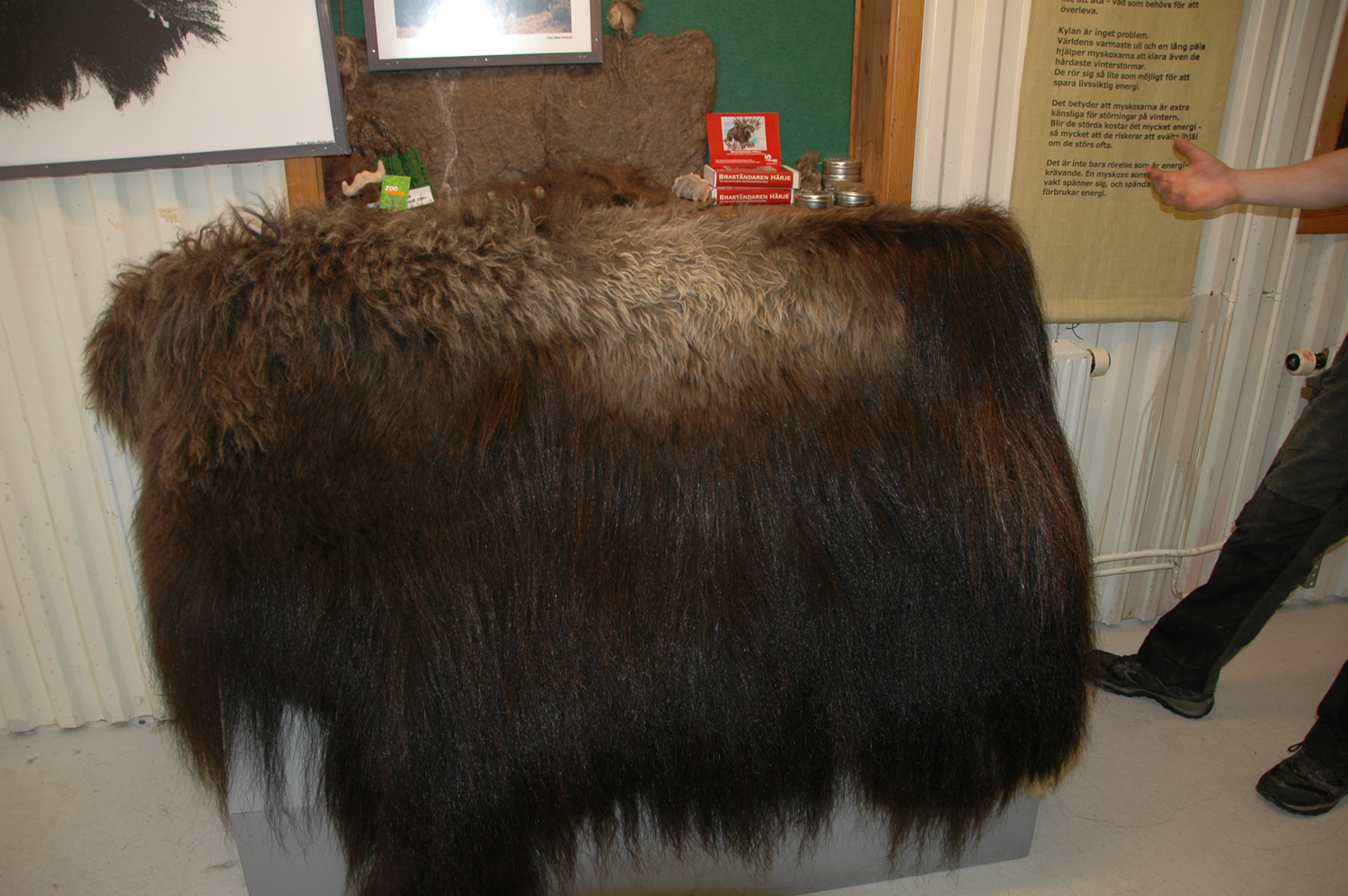
This week I’ve had the opportunity to talk about a new paper I’ve been working on for this project titled “Muskox in a box, and other tales of containers as mediators” twice under quite different circumstances. First, the written paper was pre-circulated and then discussed at the Animal Housing workshop in Oslo, Norway, where the participants were coming at their topics mainly from animal studies or science & technology perspectives (although other approaches including architecture history and political science were represented). Then, I gave an oral version of the paper at the Northern Nations, Northern Natures workshop in Stockholm, Sweden to a group of environmental historians, cultural geographers, and literary scholars. These were great opportunities…
-
Species versus individual stories
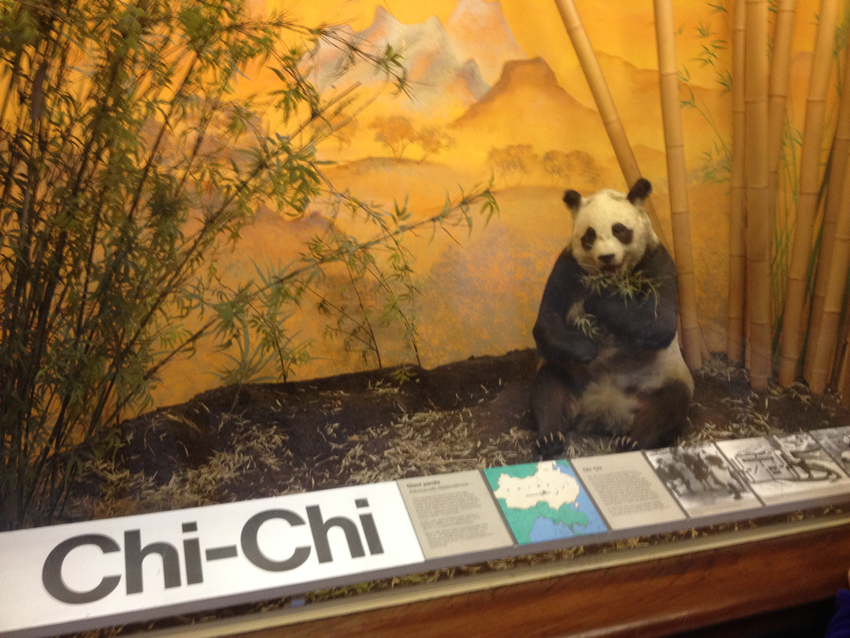
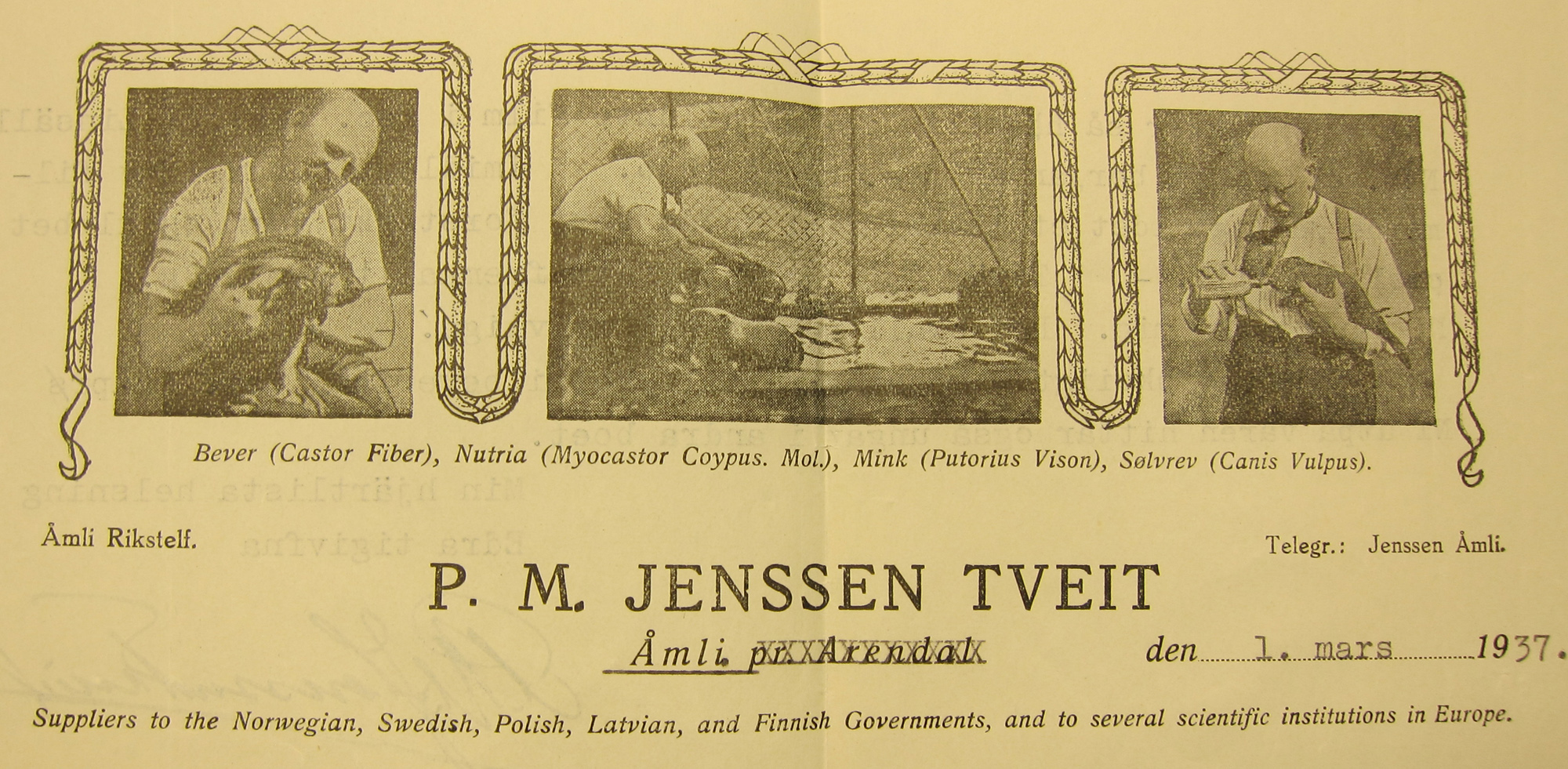
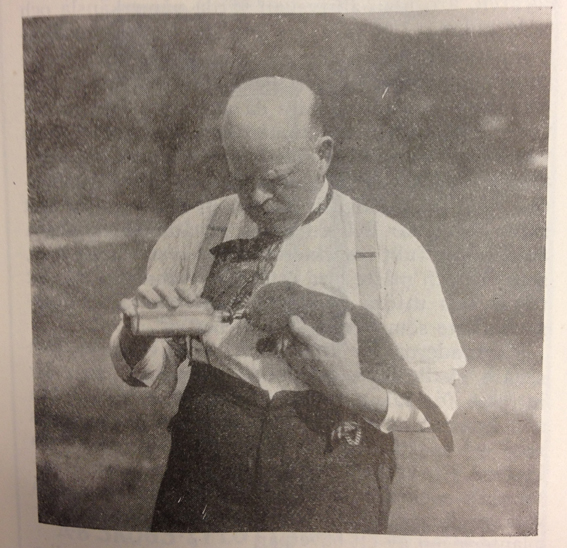
On Wednesday, I visited the Natural History Museum in London while on vacation with my family. I looked for the taxidermied beaver specimen that Sigvald Salvesen of Aamli, Norway, sent to the museum in 1925 (I have a copy of the letter correspondence about the transaction from the NHM archive). Unlike Jensen-Tveit who was also in Aamli, Salvesen took a more scientific approach to beavers: he published an article “The Beaver in Norway”in the Journal of Mammalogy in 1928, as well as an extensive handbook on raising pelt animals (Pelsdyrboken) and a scientific article on moose and red deer in Norway. In one of Salvesen’s letters to the NHM Keeper…
-
The ubiquitous beaver
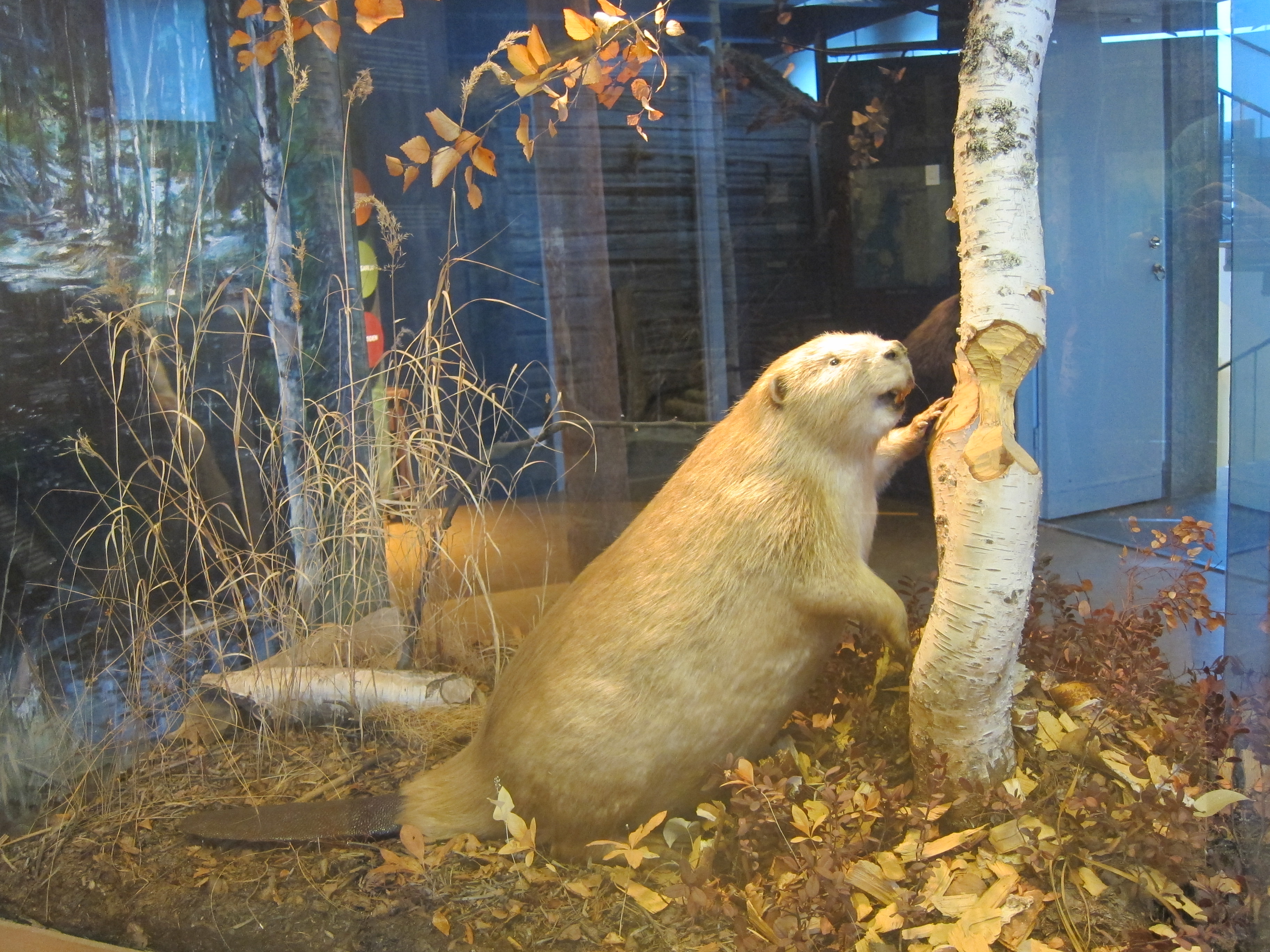
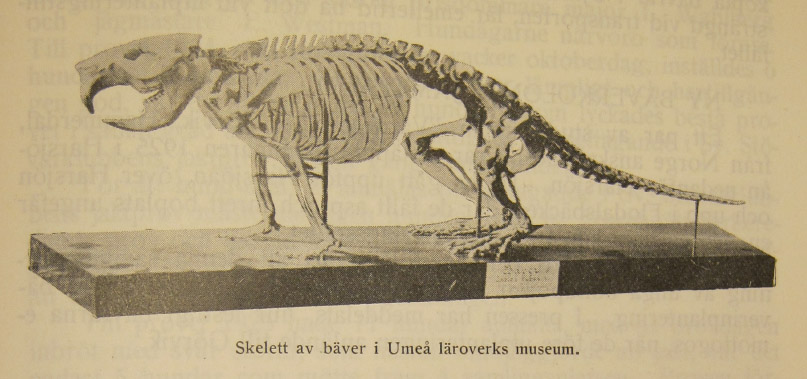
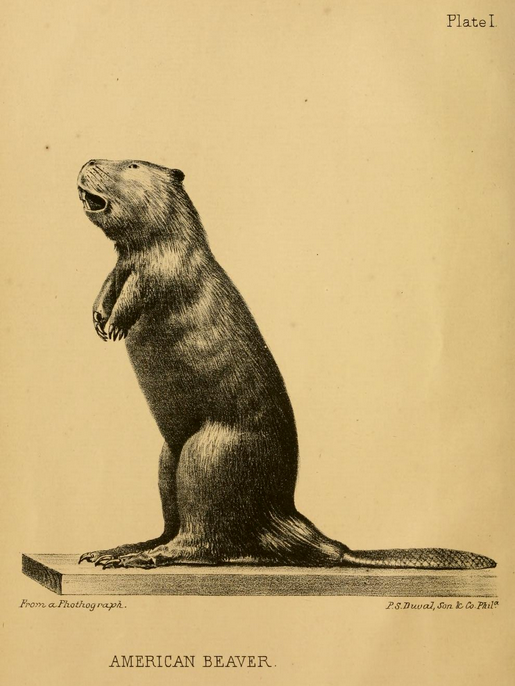
My last post was about muskox in museums, so I wanted to follow up with one about beavers, the other reintroduced species I’m currently working with. Beavers have a very different presentation in exhibits than muskox. They are often in dioramas of woodland animals, along with other animals like foxes, grouse, and even bears. This is the case at both the Biologiska museet in Stockholm and the Frösö zoo exhibit. Beavers are rarely the centre of attention, sitting often either at the viewer’s feet or tucked away in a corner, like in the Dovre National Park Center or the Vitenskapsmuseet in Trondheim. And very often, the beavers are taxidermied in…
-
University blogger
For the next two weeks, I am going to be blogging on the research blog for Umeå University where I work. I’m in an interesting position as an environmental historian employed in a natural sciences faculty, so I want to spend my time as the university blogger reflecting on the challenges and opportunities that come with my type of interdisciplinary. I want to stress that the synergies that result from bridging the humanities and natural sciences can help us better understand complex environmental issues today and how we can address them for the future. I’ll be cross-posting my UmU blog posts on this blog, since the Return of Native Nordic Fauna…
-
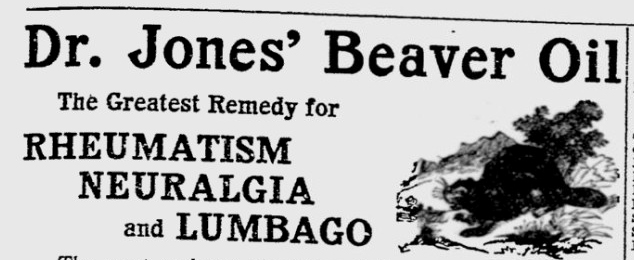
Bottled beaver oil
As a short follow-up to my post about drinking castoreum, I wanted to share some newspaper advertisements I ran across in the Google Newspaper archive. I love ads as historical sources because they give us a unique insight into the way the seller of a product thinks about what they are selling. They may or may not adequately represent the consumer’s views – I certainly have seen ads in print or video that I think are pathetically written and don’t make me want to buy the product at all – but they at least tell us what the producer thinks the consumer wants to hear. As Ann Anderson has discussed…
-
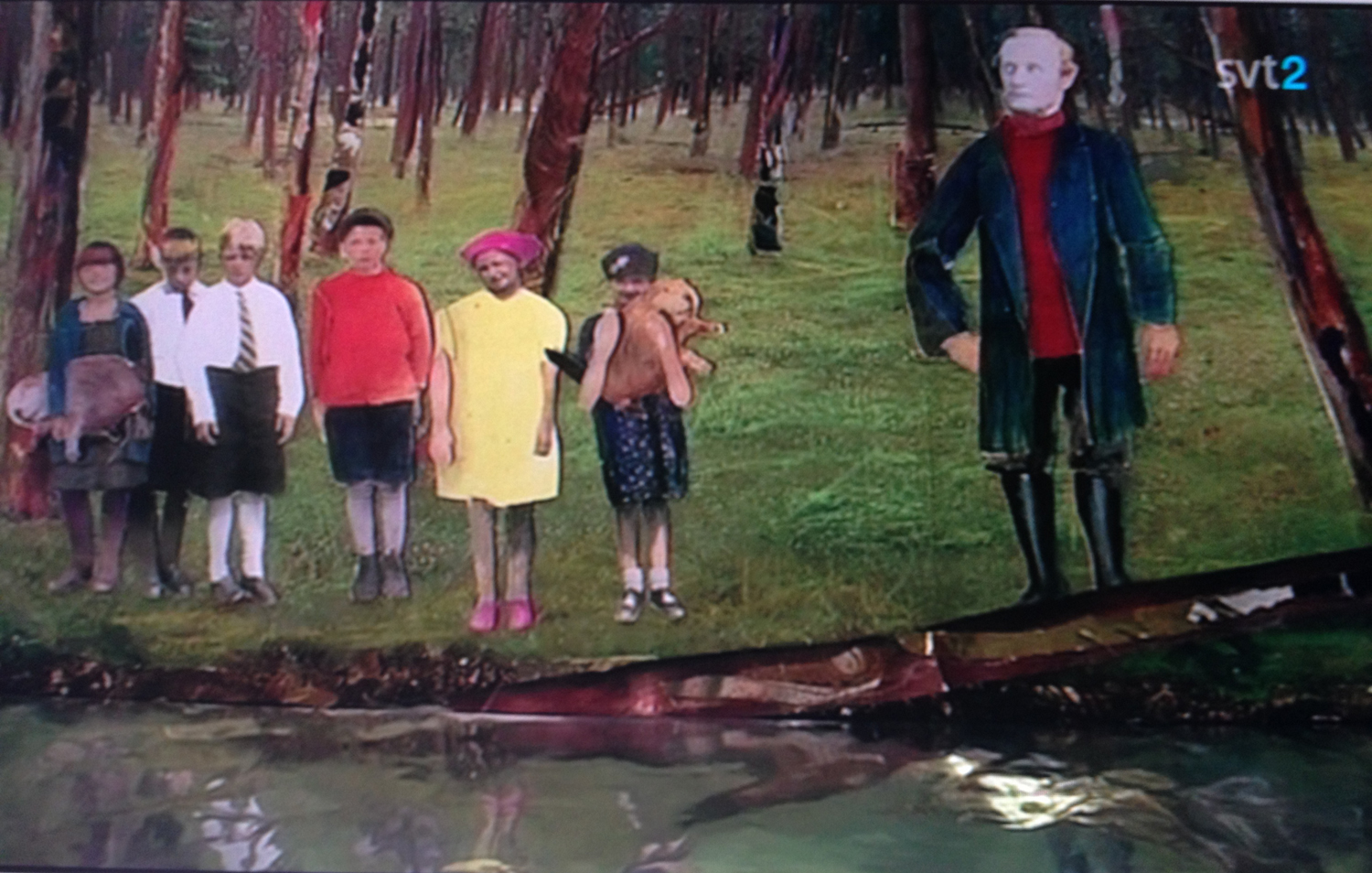
The film that never was
In historical research, we are sometimes pleasantly surprised by what we find in the archives: a document illuminates a new part of the story, a picture recording a moment otherwise forgotten, a letter exposes the mindset of the people of the times. The recording of information, and then preserving that information, is crucial for the historian. A 1963 video about beavers in Canada, part of the Canadian Wildlife Service’s Hinterland’s Who’s Who series, was recently rediscovered. The short video opens with a voiceover intoning, There was a time that beaver lodges like this one and the busy beavers that build them had almost disappeared in Canada because of over-trapping. But…
-
On the time I drank castoreum
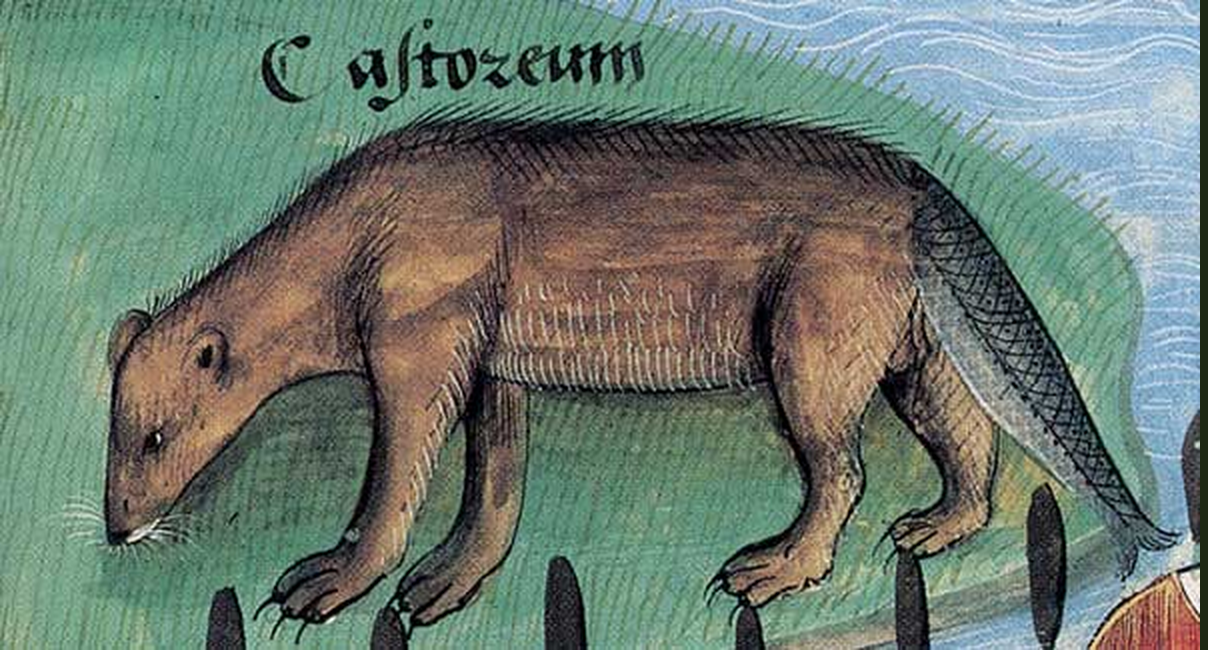
Not every historical subject offers the opportunity for a full body experience. My research on beavers, however, does. Four days ago, I had the chance to drink castoreum (bävergäll in Swedish) liquor. This traditional hunter’s schnapps sold as the brand BVR HJT (pronounced as the word bäverhojt, meaning “beaver shout”) is alcohol infused with castoreum musk from beaver. The first flavour was similar to oak-cured whiskey, but then the musk comes out. It’s a hard-to-describe taste, but I imagine that it’s what traditional male musky cologne would taste like. It was not particularly strong, however, so it seemed pleasant enough to consume most of the shot. An hour later, however, I had…
-
Another revolution
On July 4th each year, the United States of America celebrates. Although many think only of the fireworks and picnics, the real act being celebrated is the signing of the Declaration of Independence in 1776, which announced that the colonies would no longer consider themselves part of the Kingdom of Great Britain. Before all the “created equal” language everyone always talks about, the Declaration actually begins by stating why it is necessary to have a Declaration: When in the Course of human events, it becomes necessary for one people to dissolve the political bands which have connected them with another, and to assume among the powers of the earth, the separate…
-
Majava and the language problem
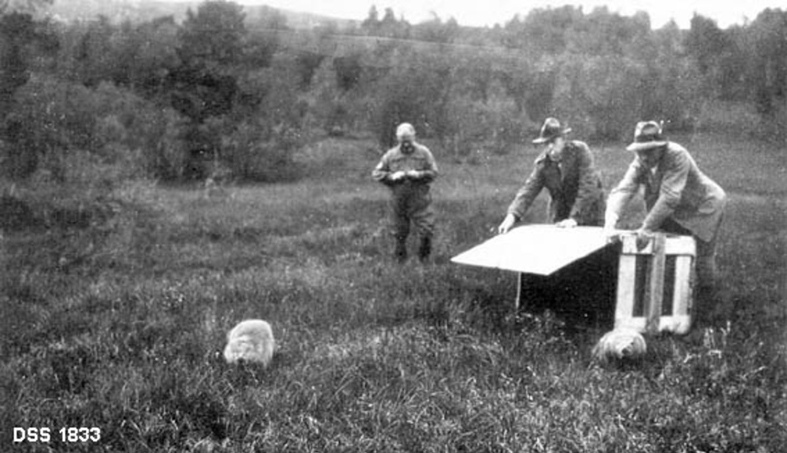
In honor of an upcoming journey across the Gulf of Bothnia to Finland, I wanted to write up a little bit about beaver (=majava in Finnish) reintroduction in Finland. In 1935, 17 beavers from Norway were reintroduced there. But in 1937, 7 North American beavers were also let loose. Since then, the populations of both beavers have grown exponentially, with the North American winning much of the territory and outnumbering European beavers at somewhere around 10,000 to 2,000. This is basically as much as I can get from the general beaver reintroduction literature and even the Finnish wikipedia page (via Google translate which does a pretty pathetic job on Finnish).…
-
A sensory tourist experience
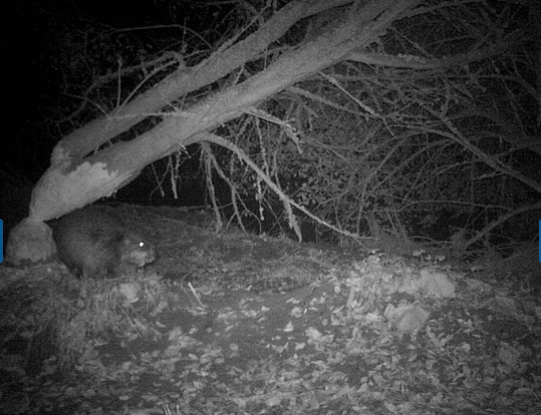
Last week I got to experience a contemporary side of animal reintroduction – it’s place in the tourism industry. For the muskox, nature tourism would seem a natural fit. After all, there are no other places in Europe to see wild muskox than the Norwegian and Swedish mountains. For the beaver, I was a little more skeptical about how tourism would work since beavers are not particularly large and for the most part noctural. I had expected the muskox safari to be similar to the safari I went on in Kruger National Park or the whale safaris I’ve been on in Hawaii and Norway. In those experiences, the guide talked about…