Researcher
Norwegian University of Science & Technology, Trondheim, Norway
Department of Interdisciplinary Studies of Culture
E-mail: Dolly@jorgensenweb.net
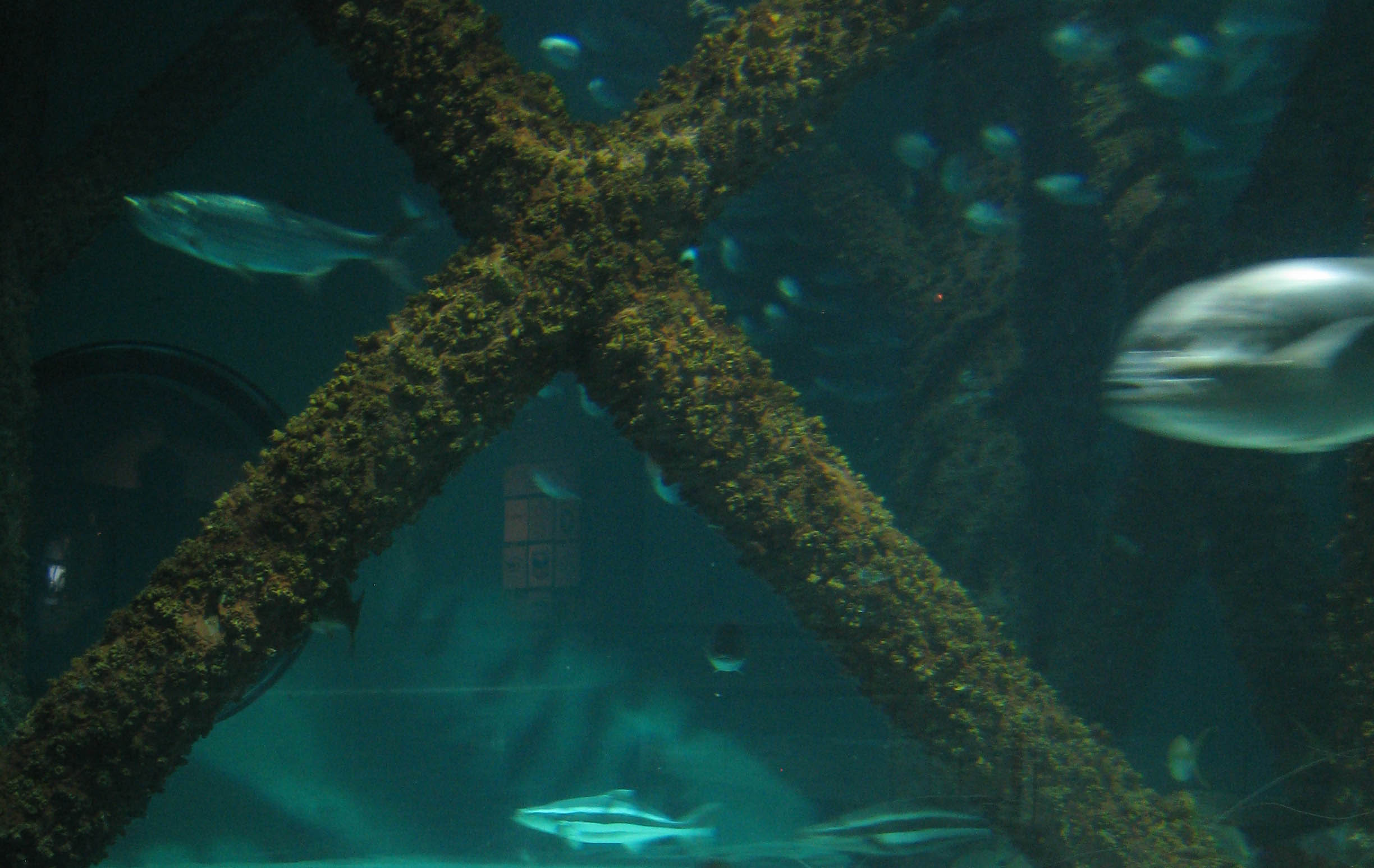
Decisions about artificial coral reef development using decommissioned oil platforms are as much based on political and business factors as on science. In this post-doctoral project, I will examine the scientific and political controversies surrounding the use of decommissioned oil and gas production structures as permanent artificial coral reefs. 'Rigs-to-Reefs' programs, as the in-place abandonment of decommissioned oil and gas platforms to create artificial reefs has come to be known, have developed differently for the Gulf of Mexico, California Pacific coast, and North Sea. This project will compare the developments in the three areas by analyzing the various actors' positions and arguments for and against the Rigs-to-Reefs idea and how these have changed over the last 25 years. A comparison of these three case studies will expose how historical events have created the differences and similarities in various approaches to the Rigs-to-Reefs program. It will also define the actors and their economic, political, and cultural interests and how they use science to support their positions in the debate. With these insights, policymakers in all three areas may be able to evaluate past policy developments in a more objective framework and make more informed policy decisions.
The project is part of a larger project titled Voices of Nature, which is sponsored by the Research Council of Norway.
University of Virginia, Department of History
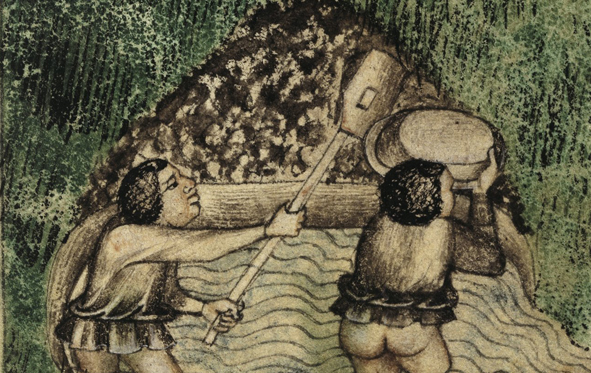
This study investigates the workings of late medieval sanitation technologies, particularly how solutions to sanitation issues were constructed as a relationship between the city government and urban inhabitants. It argues that medieval sanitation developed through the reciprocal interaction between physical conditions and complex social systems. The available technologies and environmental demands prompted the development of certain social arrangements at the city level such as the growth of specialist sanitation jobs, collection of taxes and direct participation of residents. At the same time, social arrangements enabled some technological choices such as the provision of ward dung carts and river cleansing operations. In other words, some forms of city governmental organization resulted from the demands of material conditions of urban life and, likewise, physical sanitation technologies depended on governmental structures to be effective.
The dissertation defines the roles of city corporations and individuals in several sanitation issues, primarily street maintenance, waste management, and river cleansing from roughly 1350 to 1600 in England and Scandinavia. A transnational perspective is employed to identify broader trends that characterize sanitation in northern late medieval cities. The written evidence relies heavily, although not exclusively, on the city council records from the Swedish city of Stockholm and English cities of Coventry, Norwich, and York. In addition to the written sources, the evidence includes archeological finds from a wider array of cities in Scandinavia (the areas which today are Denmark, Norway, and Sweden) and England.
A feature article about my research and its inclusion of Scandinavian archeology appeared in Norwegian in the forskning.no online magazine in June 2007. See the article.
Norsk sammendrag: Avhandlingen min undersøker utviklingen av en sanitær infrastruktur, spesielt for avfallshåndtering og gaterenhold in senmiddelalderens England og Skandinavia. Hovedspørsmalene jeg undersøker er: Hvordon påvirket fysiske sanitære behov administrative funksjoner og strukturer i middelalderbyer? Hvilken innflytelse hadde byregjeringens politikk på utviklingen av middelalderske sanitasjonsystemer? For en norskspråklig artikkel om forskningen min, se "Avføring og statsbygging".
University of Houston, Department of History
Link to my Master's Thesis as a pdf
Contrary to the view that the Middle Ages was simply a time of rapid environmental exploitation and degradation, legal documents of the Anglo-Norman kings who reigned England and Normandy 1066-1135 reveal that medieval landholders practiced conscious management of their resources. These resources centered on woodland and fisheries, both daily necessities. Because of the value of woodland products, foresters employed by the king, lay nobility, and ecclesiastics actively managed trees and vegetation. The understanding of ecosystem damage is evident in controls on fisheries, specifically restrictions on blocking the passage of fish in waterways. These conservation efforts were not aimed at environmental preservation because of altruistic motivations, but rather to preserve needed resources for economic and political ends. Because of the value of the environmental riches at their disposal, conflict was inevitable and could escalate to violence. These incidents reinforce the conclusion that the Anglo-Normans practiced a defacto active resource management.
Experiencing Medieval Places: A website to explore how medieval people (and modern visitors) experience medieval places such as churches, castles, and marketplaces.