Bettering stories about stories about nature

Both environmental historians and ecocritics are in the business of simultaneously analysing the stories we tell about the human-nature relationship and creating those stories. Using the case of Kiki, an Aldabra giant tortoise on display in the Muséum national d’Histoire naturelle in Paris, I present three potential text types in …

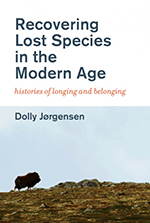
Recovering Lost Species in the Modern Age: Histories of Longing and Belonging

This groundbreaking book brings together environmental history and the history of emotions to examine the motivations behind species conservation actions. In Recovering Lost Species in the Modern Age, I use the environmental histories of reintroduction, rewilding, and resurrection to view the modern conservation paradigm of the recovery of nature as an …

Dependence on the whale: multispecies entanglements and ecosystem services in science fiction

Abstract: This article analyses how four science fiction stories frame whale endangerment and salvation as a problem of ecosystem service loss: Arthur C. Clarke’s The Deep Range (1957), Star Trek IV: The Voyage Home (1986), the Doctor Who episode ‘The Beast Below’ (2010), and T.J. Bass’s The Godwhale(1974). It uses the four categories of the scientific concept …

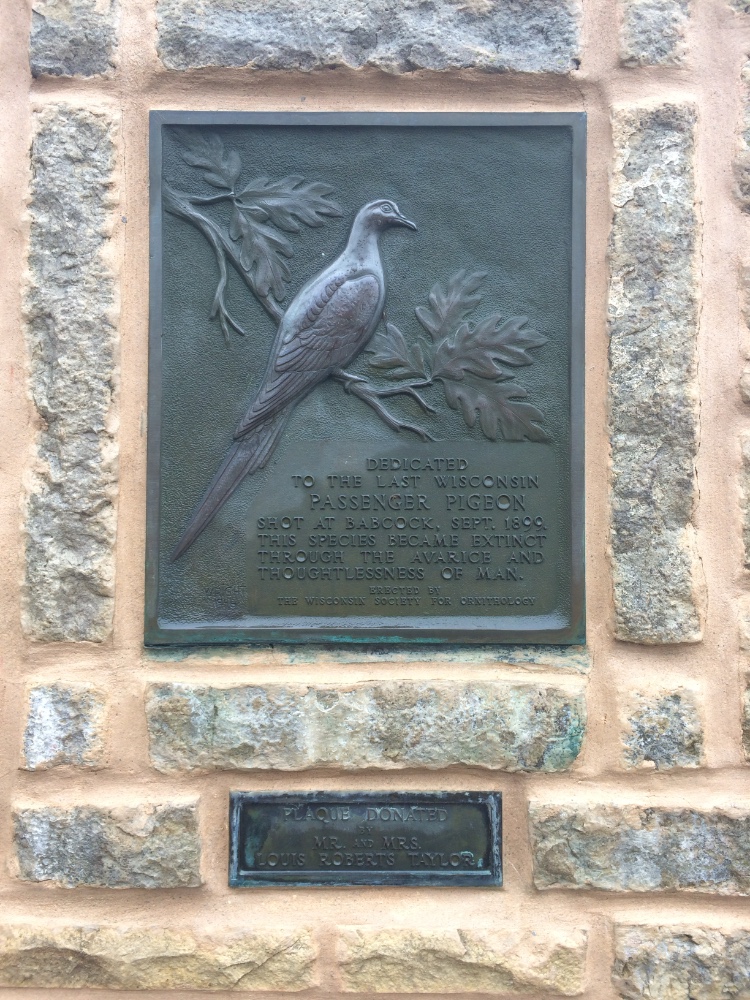
After none: Memorialising animal species extinction through monuments

This article is the last chapter in the book Animals Count which looks at the ways in which the size of an animal population impacts how they are viewed by humans and, conversely, how human perceptions of populations impact animals. This chapter examines the role of monuments in remembering species that …

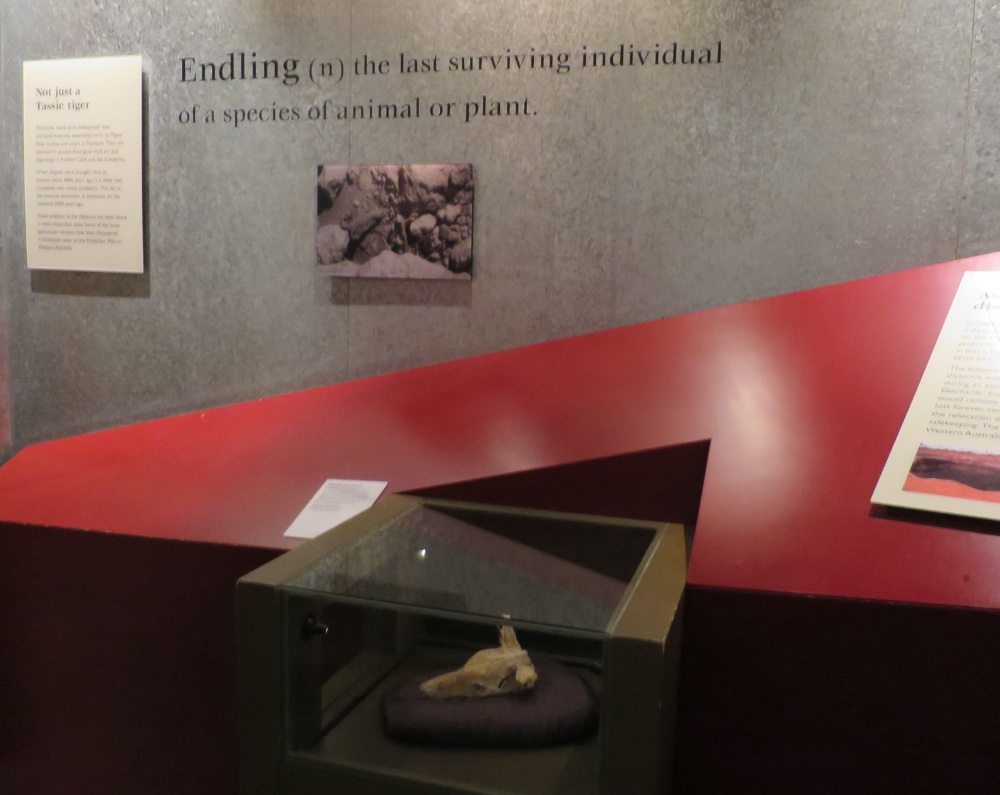
Presence of absence, absence of presence, and extinction narratives

This chapter addresses where two issues – the problem of not seeing at a certain time and the idea of a static nature over time – converge in two historical searches for the last: the European beaver (Castor fiber) in Sweden at the end of the nineteenth century and the thylacine …

Who’s the devil? Species extinction and environmentalist thought in Star Trek

During the last decades of the 20th century, the environmentalist movement came of age. As it developed into a mass movement, it gradually changed its arguments and strategies for persuading the public that endangered species were worth saving. Although depicting a universe two hundred years (and more) into the future, …

Back to Top