beaver
-
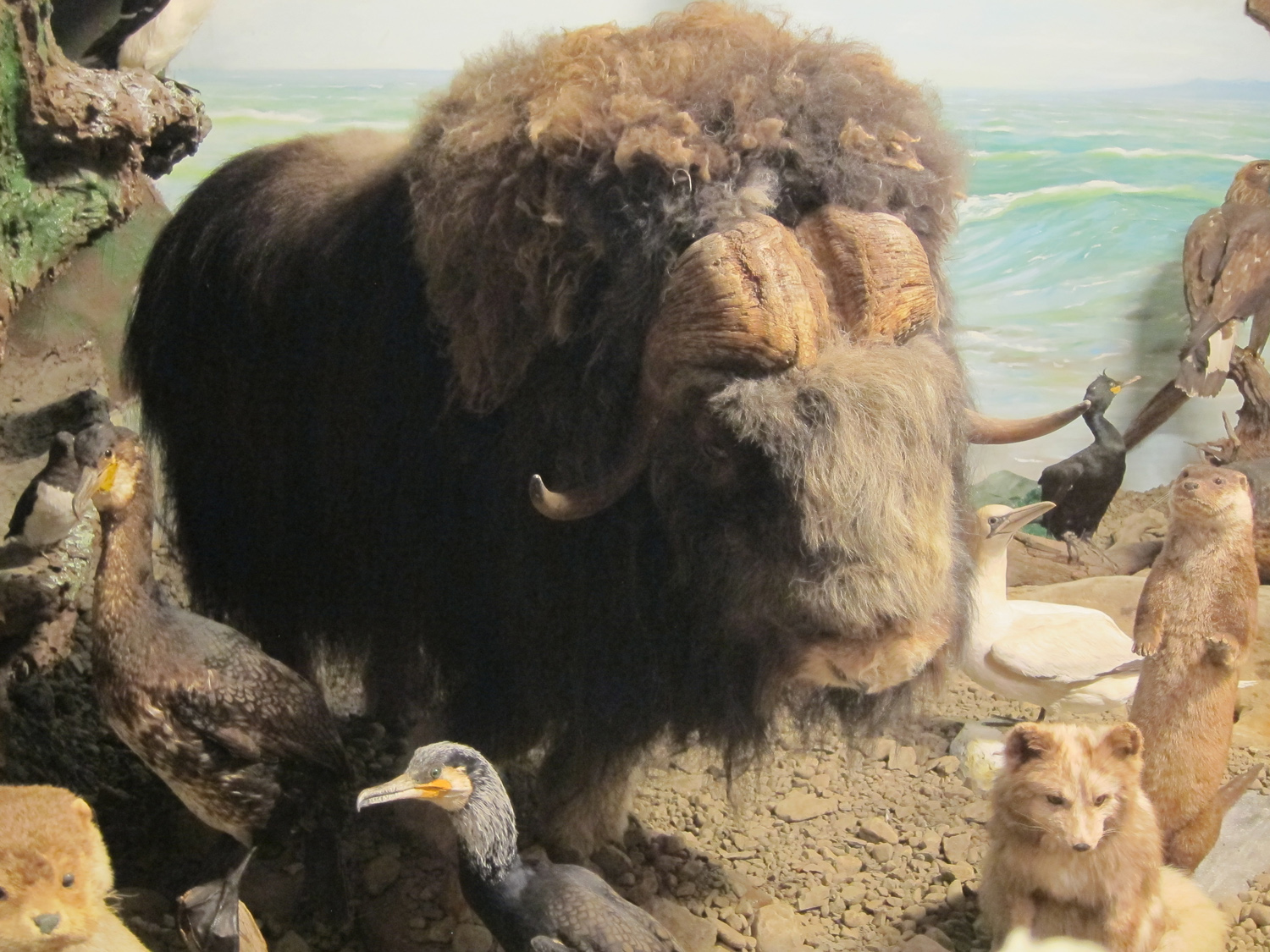
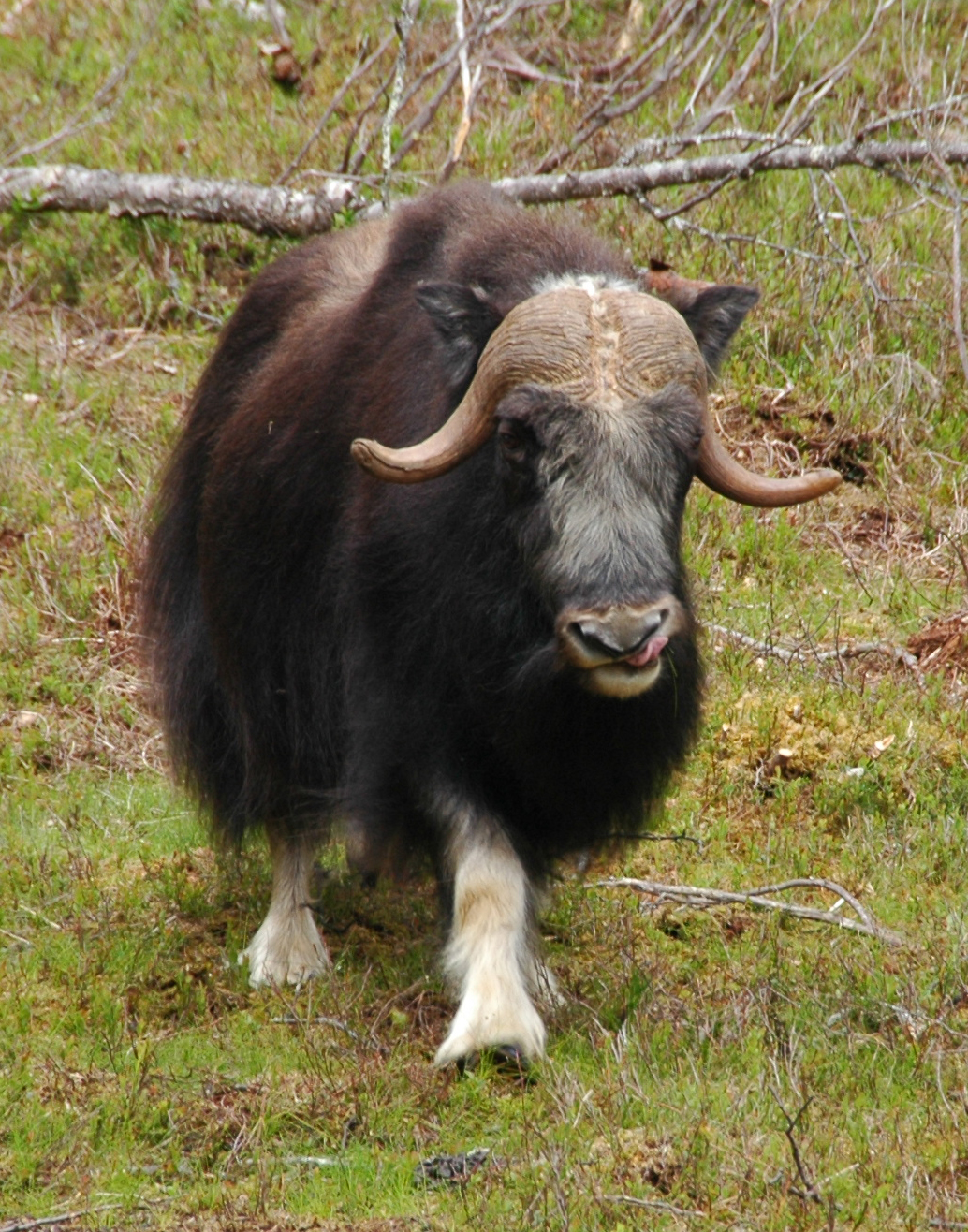
Misplaced muskox
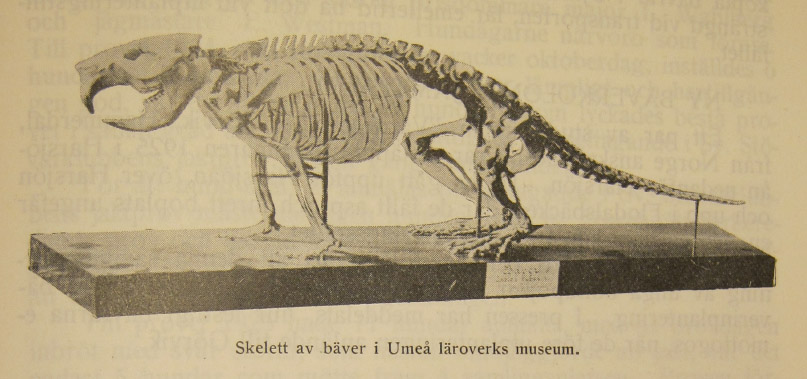
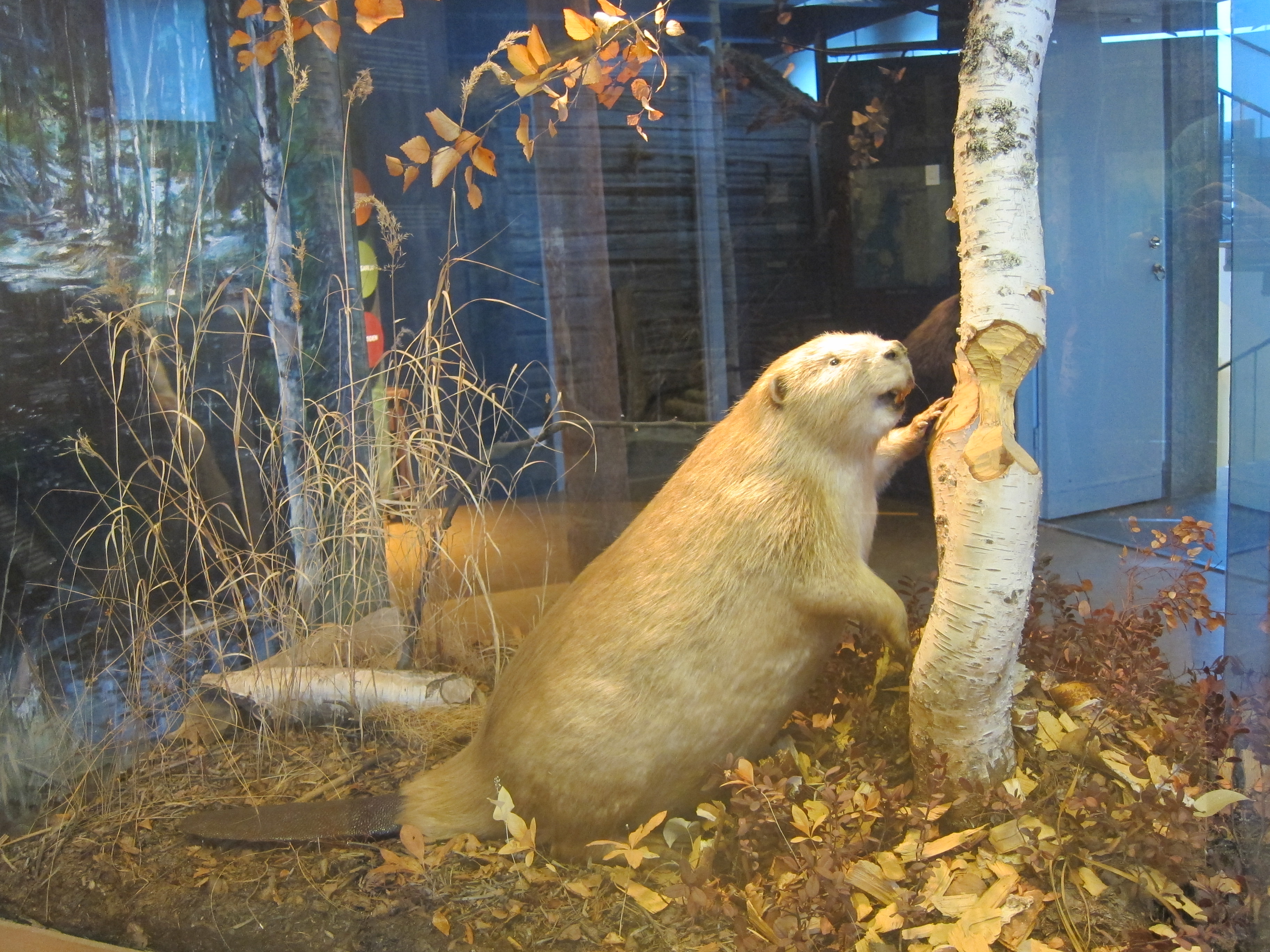
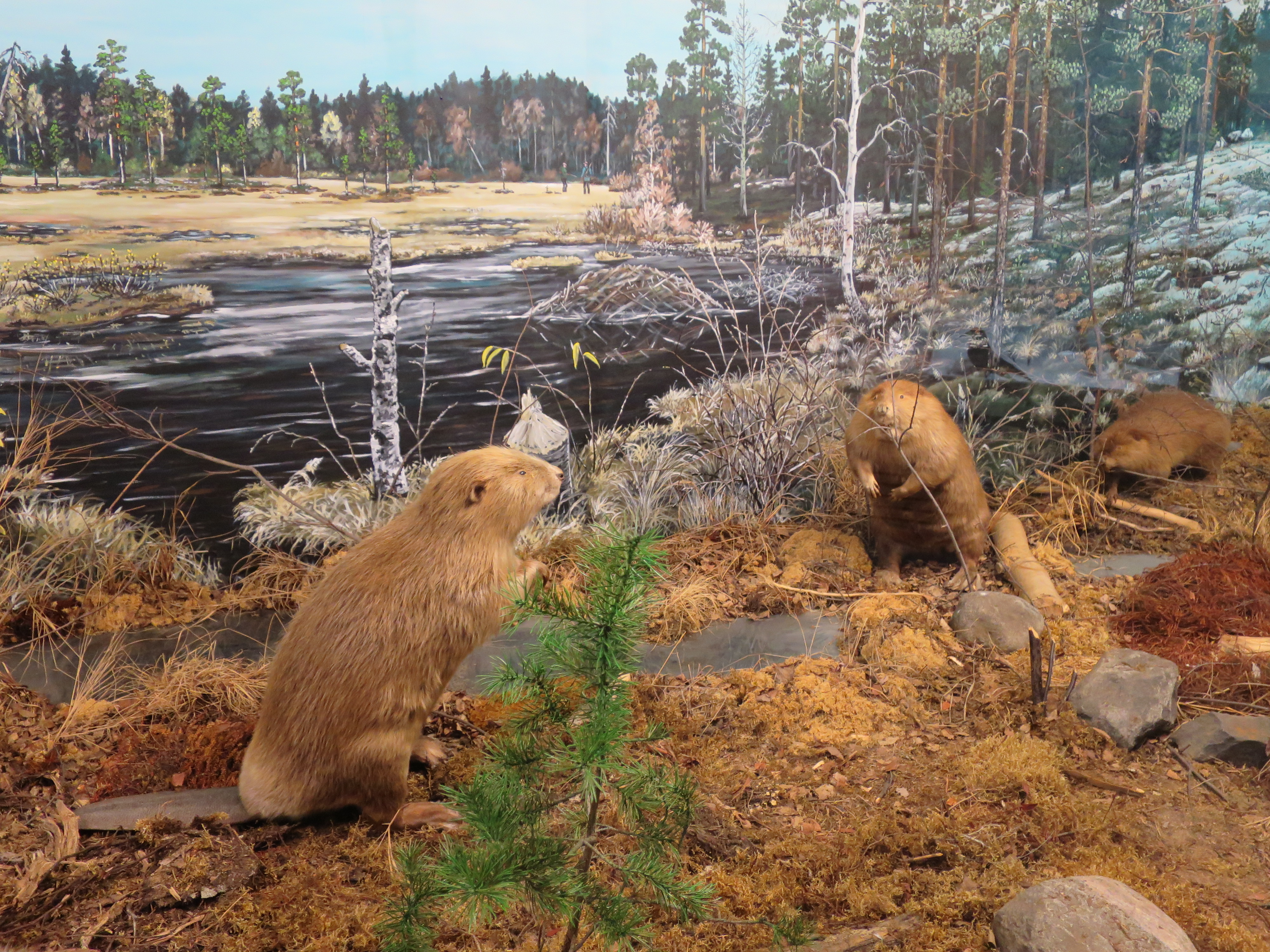
Because the archive didn’t open until noon today, I stopped by the Frösö zoo, a local privately-owned zoo which opened in 1960. The zoo has a “Nature room”, which the owners label as the only biological museum in northern Sweden. So I wanted to pop in and see if they happened to have beavers or muskox in their display, since I knew that they did not have live specimens of either one in the zoo. I had expected to see the beavers. They are a common component of museums in Sweden as far as I can tell. At Frösö, the group of beavers inhabiting the “Middle Northland” (basically meaning ‘local’)…
-
What’s not to love?
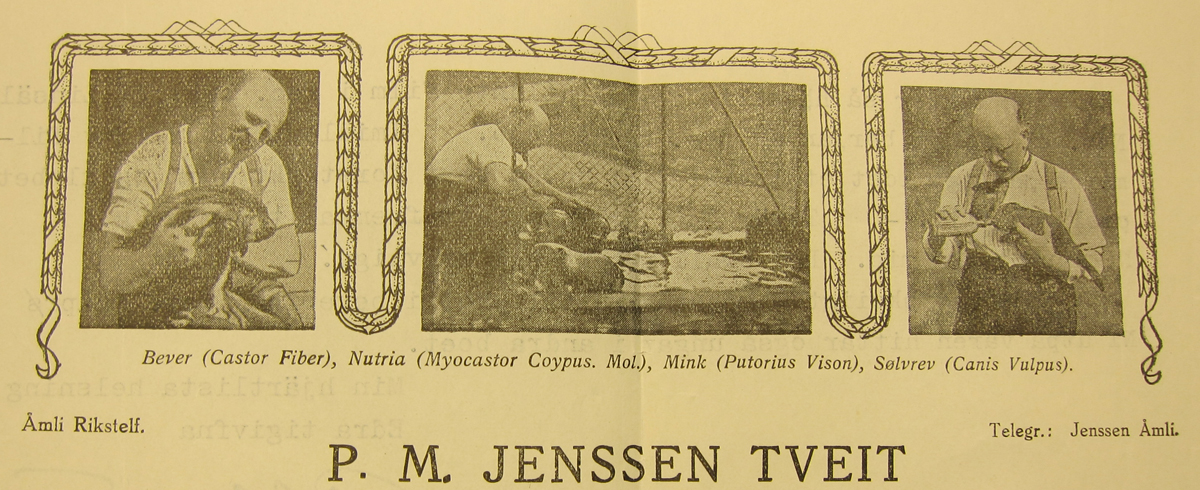
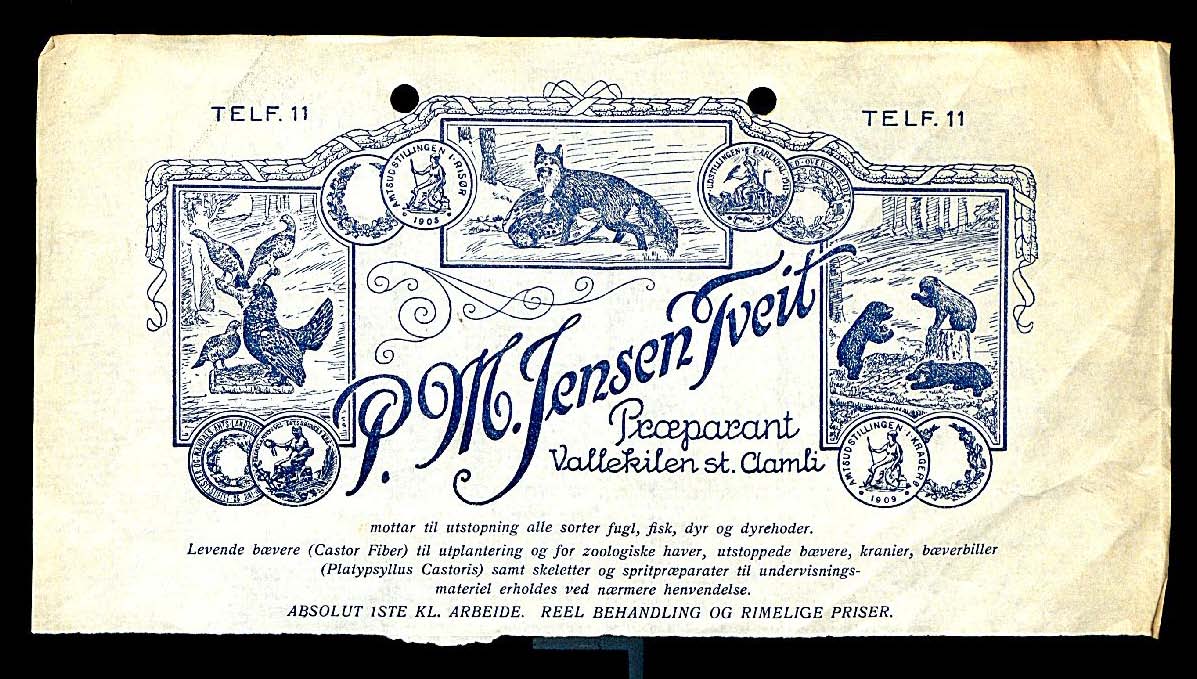
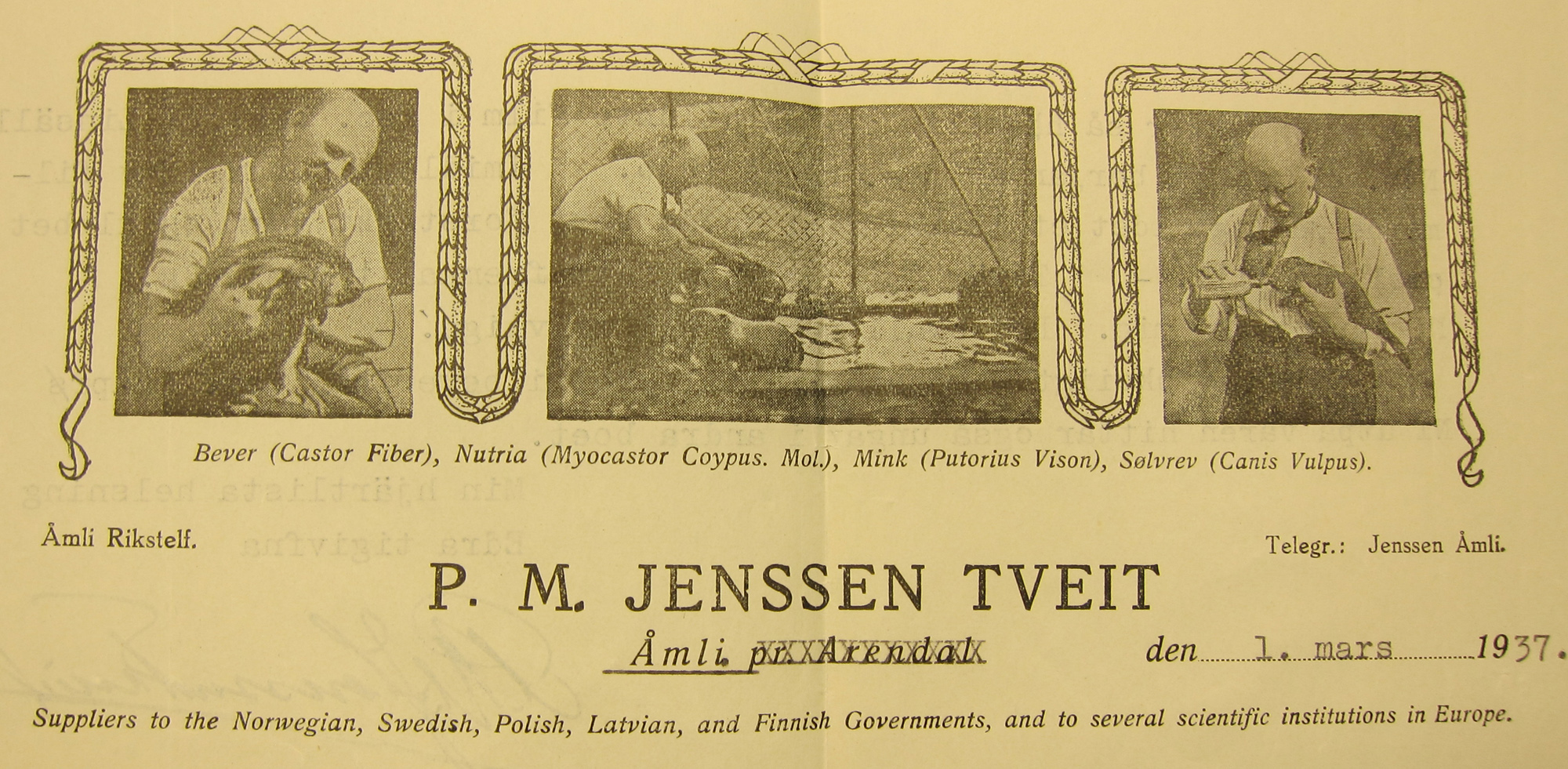
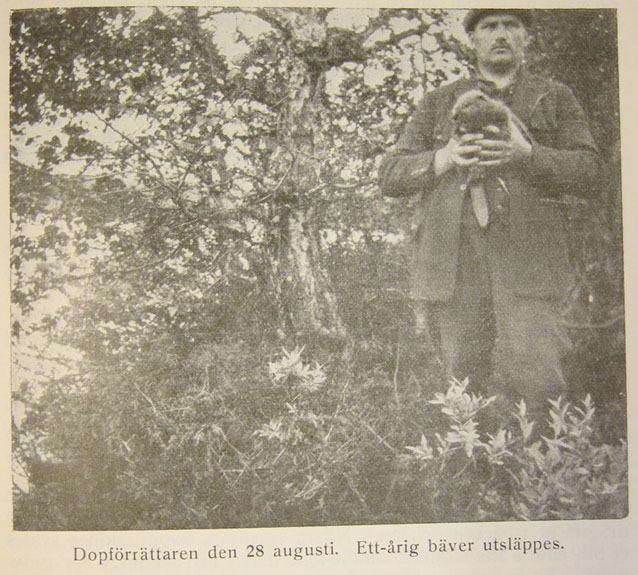
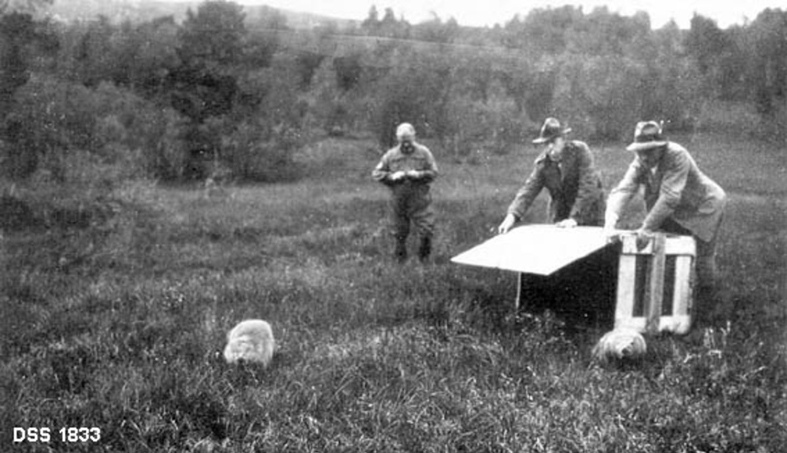
I love finding stories about P. M. (Peder Martinius) Jensen Tveit. The famous beaver whisper was front and center in my research at the Jamtli archive today. This was a man who loved beavers. Jensen Tveit had an extended correspondence with the Jämtlands county heritage director Eric Festin and the forester Per Olov Steen about a beaver reintroduction effort in Råndalen, Härjedalen (which is close to Funäsdalen where I’ll be visiting the Swedish muskox later this week). There were lots of logistical details that had to be worked out and Jensen Tveit was a busy man. In his letter to Steen on 20 January 1935, he apologised for the delay writing…
-
Written in stone
Today on my way to Östersund, where I will start working in the archive tomorrow, I took a detour to Namforsens Hällristiningsmuseum (Namforsen’s rock carving museum). There are around 2300 rock carvings on the boulders at the rapids. I was hoping to find that they had carvings of beaver, or possibly even muskox. The visit to the accessible areas revealed that the Stone Age inhabitants were most interested in moose: male moose with big antlers, female moose, moose calves, hunting moose – lots and lots of moose! In the visitor’s center, the other other animals mentioned were one potential bear and foxes/dogs. At the museum, I found out that there…
-
The beavers of Bute
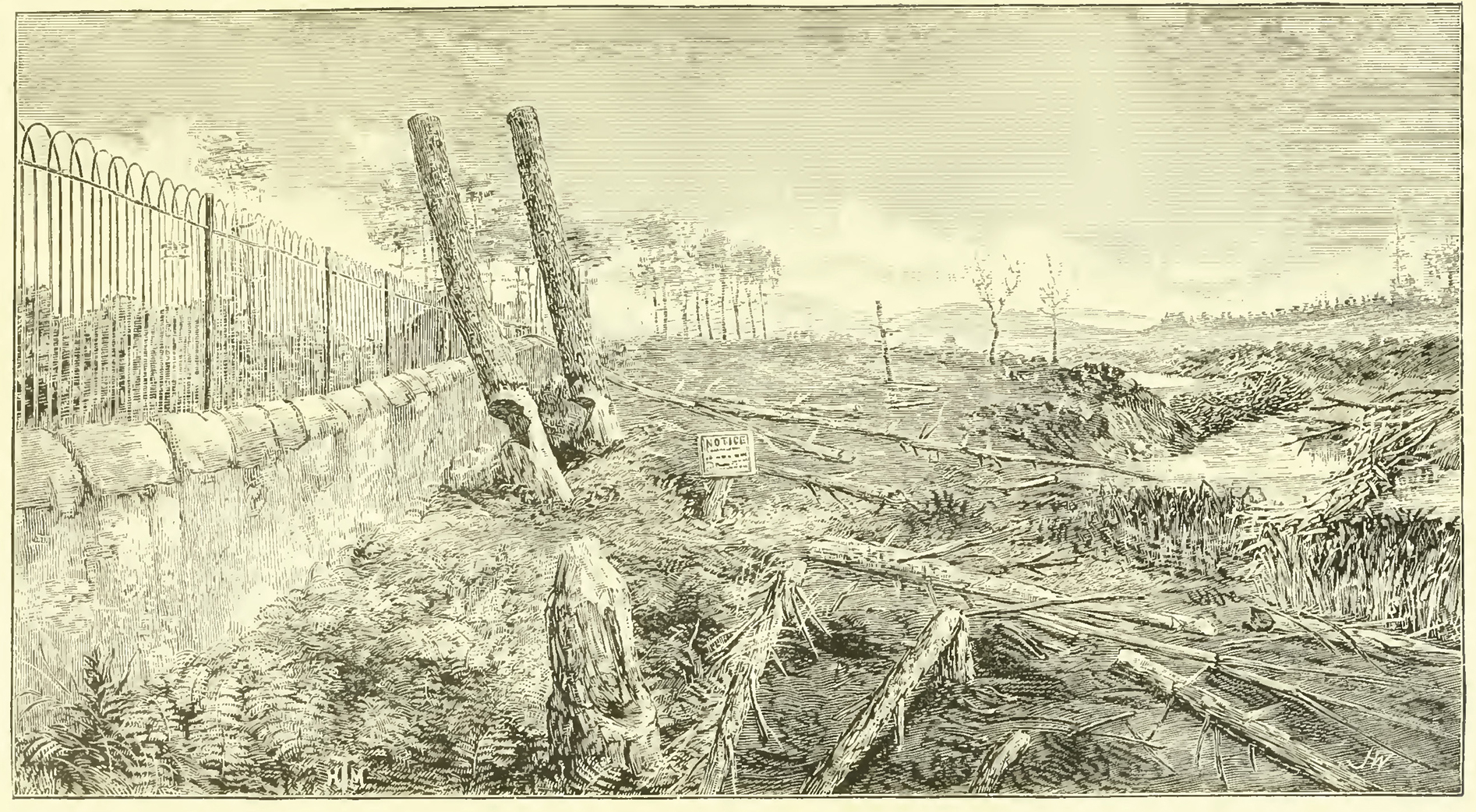
The Scottish Beaver Trial may be the first release of beavers into the ‘wild’ (whatever that is) in Scotland since their extinction, but it isn’t the first time people have tried to bring beavers back to Scotland. In 1874, the Marquis of Bute imported 4 Canadian beavers to the Isle of Bute, a Scottish island west of Glasgow, for a grand reintroduction experiment. But rather than being set loose, the beavers were enclosed by a rock wall in a 3 or 4 acre wood. The first 4 apparently died (the text says euphemistically that the beavers were “not succeeding”), so another 7 were added in 1875. By 1878, the beavers seem to have reproduced,…
-
Taking to the air
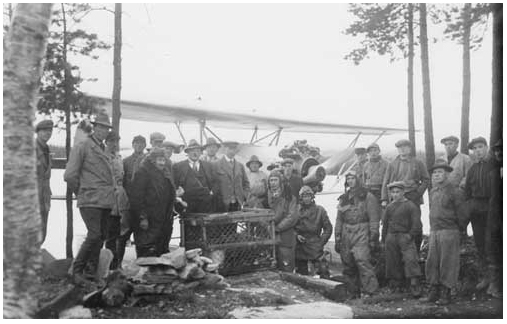
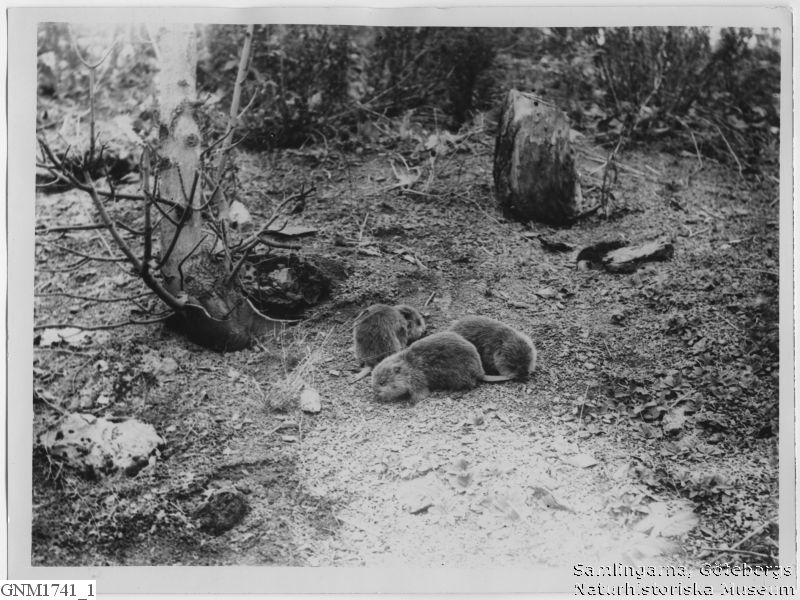
When the first reintroduced beavers came to Sweden, they had to take a long and arduous journey to their new home. First, they had to be taken from their capture site near Åmli to the train station in Oslo then on via train to Stockholm. After the wintering in Skansen, they went north on the overnight train. In Östersund, they had a break and got on another train to Strömsund. After a steam boat, a horse carriage, car trip, motor boat, horse sled, and boat again, the little beavers are finally at the release site — a whopping 4 days after leaving Skansen in Stockholm. When Eric Festin reported on…
-
In honor of mothers
On Friday, 10 May 2013, a baby muskox was born at the Myskoxcentrum in Sweden. It is adorable – pictures and video are available for viewing online. The calf was born to the muskox cow Naessa, a three-year old who was born on Ryøya (I discussed the northern Norwegian muskox herd previously). So other than being a ridiculously cute baby, why is this birth news worthy? The video voice over notes that there are only 7 wild muskox in Sweden, although there are dozens in zoos. The muskox being bred at the Myskoxcentrum are destined to be released into the wild to reinforce the Swedish herd’s numbers. In April, the center…
-
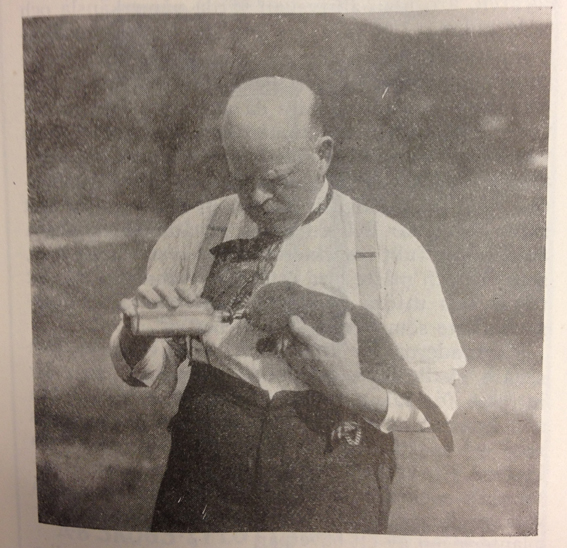
The beaver whisperer
I’m not the kind of person who reads the obituaries in the newspaper, but today I was delighted to find the obit for P. M. Jensen (also known as Jensen-Tveit) from 1 October 1963. Beaver-Jensen (as he is called in his obit in Aftenposten) of Aamli, Norway, caught beavers that were released in Sweden, Latvia, Germany, and Poland according to the text written in honor of the 82 year old. While I can’t yet confirm all of those, I do know that he was involved in the Swedish, northern Norwegian, and Finnish reintroductions. The Västerbotten county wildlife management association bought 10 beavers from him (although some of those died in…
-
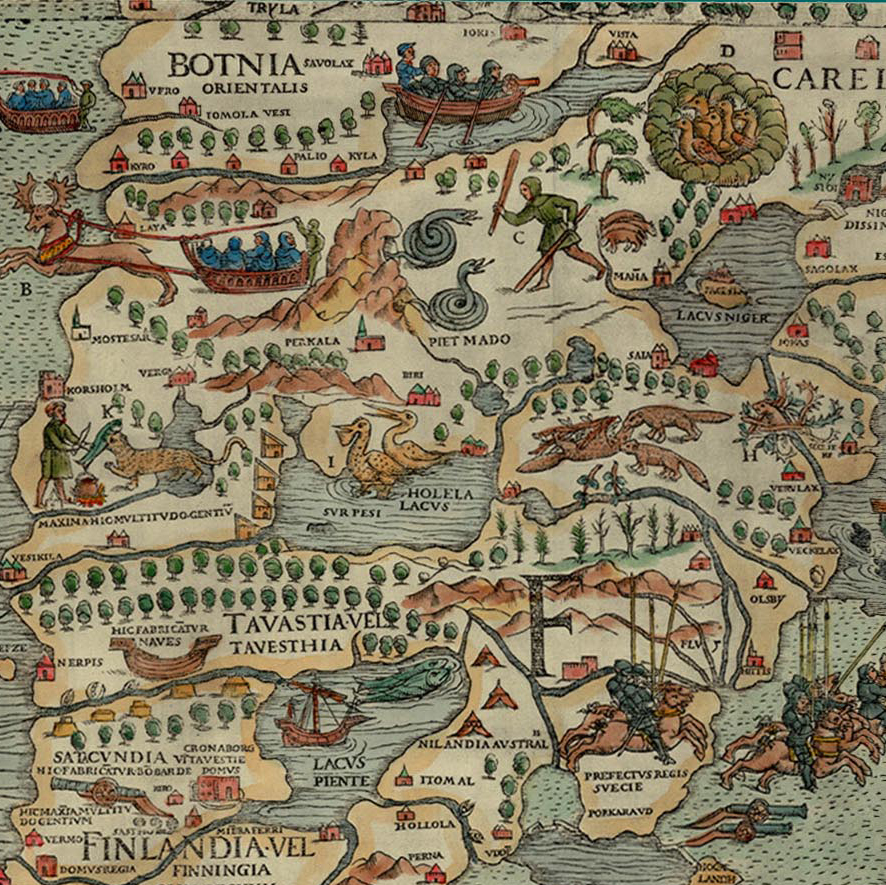
Olaus Magnus’ map
Today I was at a symposium “Understanding North” hosted here at Umeå University and heard a paper about Olaus Magnus’ 16th century depictions of the northern Sami people. It reminded me that I had gathered some of his material, but hadn’t really looked at it. So I decided to go through it. Olaus Magnus, who was born in Linköping, Sweden, in 1490 produced a map of Scandinavia in 1539 titled Carta Marina (images from the map by section are available from the James Ford Bell Library) and the first comprehensive book on Scandinavia in 1555 titled Historia de Gentibus Septentrionalibus (you can read the whole text in Latin on Projekt Runeberg). The map…
-
Memories
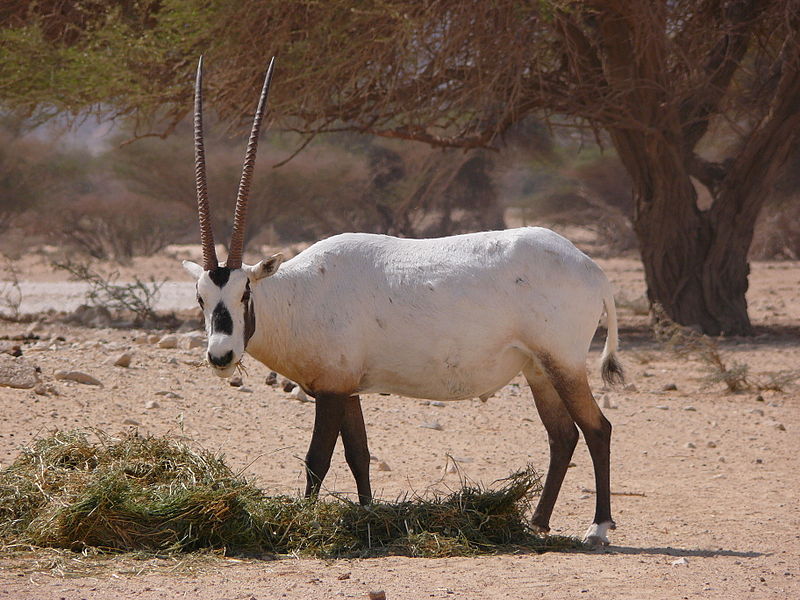
I read an article today about potential reintroduction of animals on the Arabian Peninsula (Stanley Price 2011). The author discusses the successful reintroductions of the Arabian oryx and the Houbara Bustard (a bird) and advocates further reintroductions from ex-situ populations and the development of larger conservation areas in the region. But what struck me was this statement at one point in the text: If a species has been absent for probably little more than one human generation, it will progressively drop from the cultural heritage and oral traditions of any society. Based on this assumption, Stanley Price argues for reintroducing recently extinct or threatened species, noting that the Arabian oryx had…
-
A mixed population
Today I taught an advanced undergraduate class on Ecosystem Management here at UmU and gave a lecture on reintroduction then led a discussion section. The discussion centered on Martin Goulding’s “Native or Alien? The Case of the Wild Boar in Britain,” which is one of the bright spots in the Invasive and Introduced Plants and Animals: Human Perceptions, Attitudes and Approaches to Management edited collection that I criticised in a previous post. In our discussion, one of the students commented on how strange it was that the wild boar were seen as aliens and rejected when they were thought to be hybrid animals (wild boar crossed with domestic pig) but after genetic…