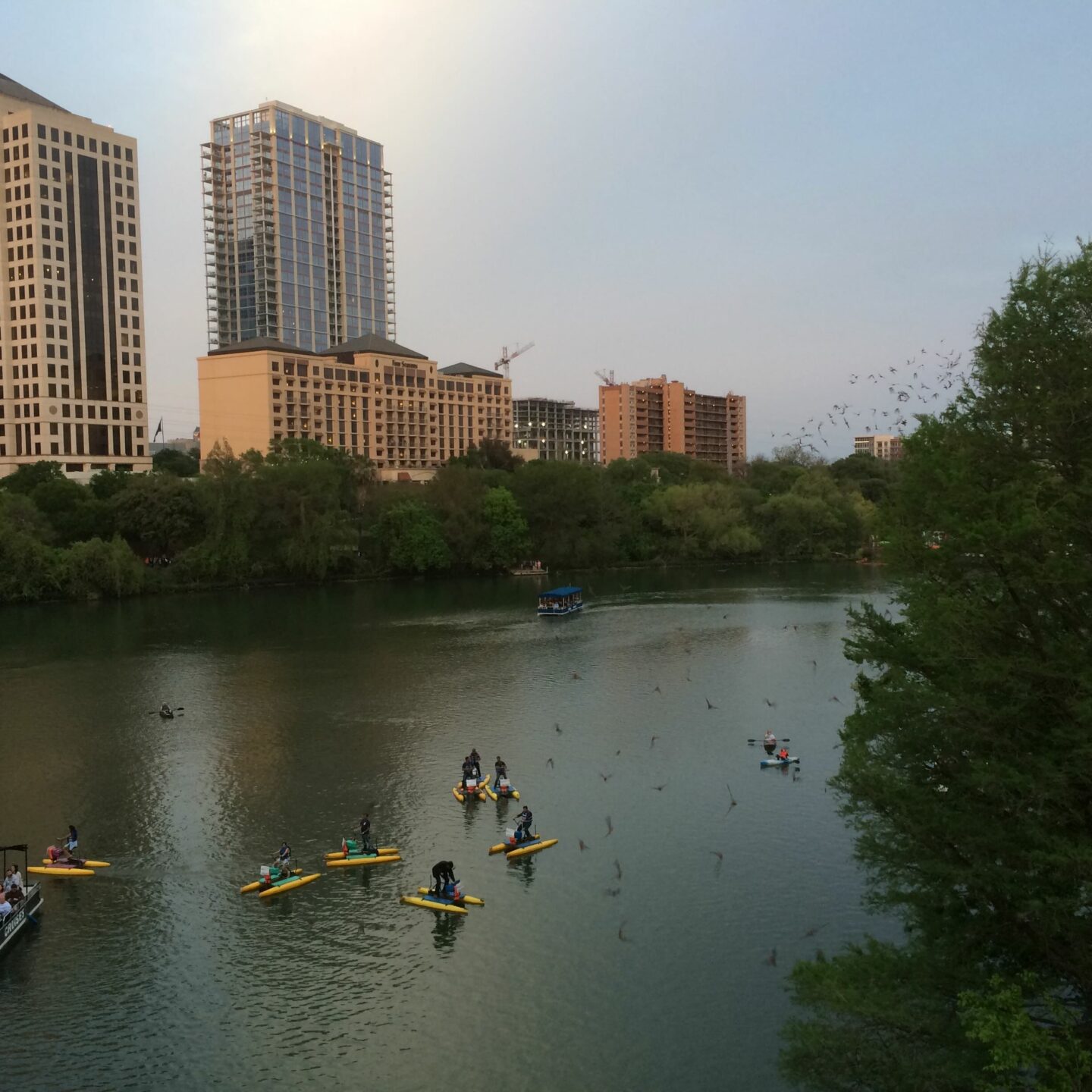
Drafting the Past: Dolly Jørgensen Always Has Another Project Up Her Sleeve

In episode 106 of the acclaimed history methods podcast Drafting the Past, Kate Carpenter talked with me about how I juggle my projects, what draws me to a topic, and how working at a university in Scandinavia changes my approach to scholarship. Drafting the Past Episode 106. You can listen …
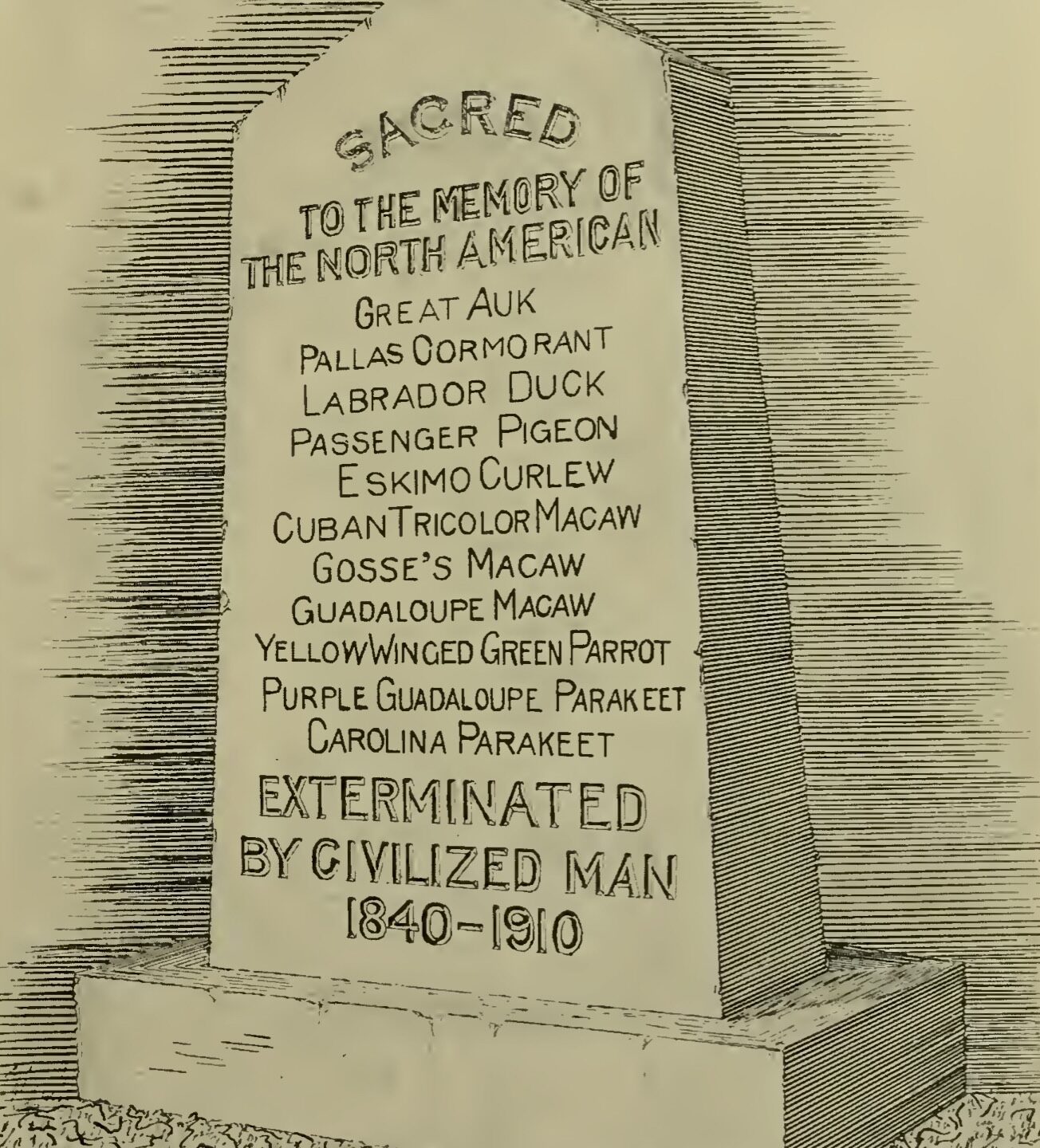
Feelings for nature : Emotions in environmental history

More-than-human environments often evoke highly consequential emotional responses which are always rooted in spatial-temporal contexts. Human emotions have often directly impacted not only on the lives of more-than-human animals living both close-at-hand and in far-flung parts of the world but also on their wider habitats and the natural systems that …

Museums at home: digital initiatives in response to COVID-19

This review surveys three types of responses to the COVID-19 pandemic, from attempts to replicate the museum visit experience, to alternative replacements making use of online platforms, to initiatives that envision radically different relationships to their audiences. The selection is not intended to be representative, but instead draws into dialogue …

Teaching the Environmental Humanities: International Perspectives and Practices.

This article provides the first international overview and detailed discussion of teaching in the environmental humanities (EH). It is divided into three parts. The first offers a series of regional overviews: where, when, and how EH teaching is taking place. This part highlights some key regional variability in the uptake …

Bettering stories about stories about nature

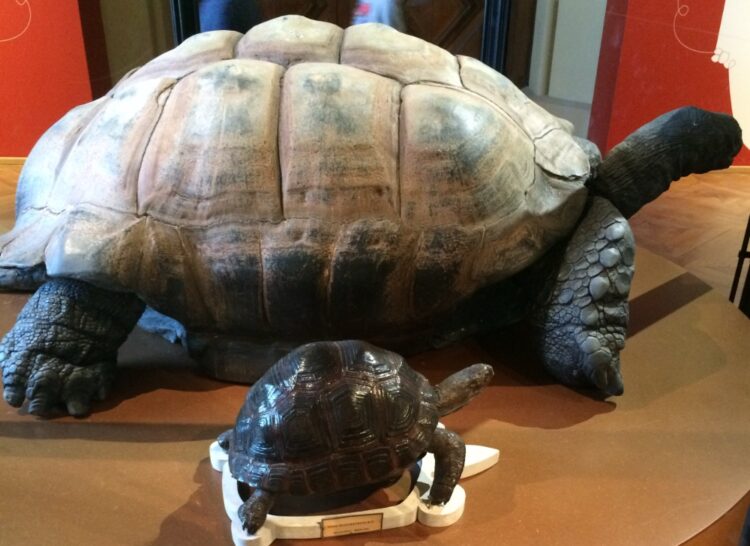
Both environmental historians and ecocritics are in the business of simultaneously analysing the stories we tell about the human-nature relationship and creating those stories. Using the case of Kiki, an Aldabra giant tortoise on display in the Muséum national d’Histoire naturelle in Paris, I present three potential text types in …

Tracking Animals in a Pandemic

The global pandemic puts a spotlight on human-animal relations and how human histories are intertwined with animal bodies. Environmental historians have demonstrated a steadily growing interest in investigating animals since the late 1980s, so thinking about animals in historical terms is nothing new. But our COVID-19 moment can prompt us …

Aesthetics of energy landscapes

Abstract: Energy landscapes are entangled with technological infrastructures. Interro- gating these infrastructures is a critical move for the environmental humani- ties, as these infrastructures carry ideas as well as power across the landscape. One of the main ways in which infrastructures can be interrogated is through aesthetics, particularly the visual …

Backyard birds & human-made bat houses: Domiciles of the wild in 19th and 20th century cities

Abstract: In this article, apply the broader STS concept of domestication to an investigation of urban animals: How are urban animals domesticated in the sense of finding a place within the infrastructure of a city? How do the animals themselves domesticate human technology in order to make their own domus? …

Back to Top