
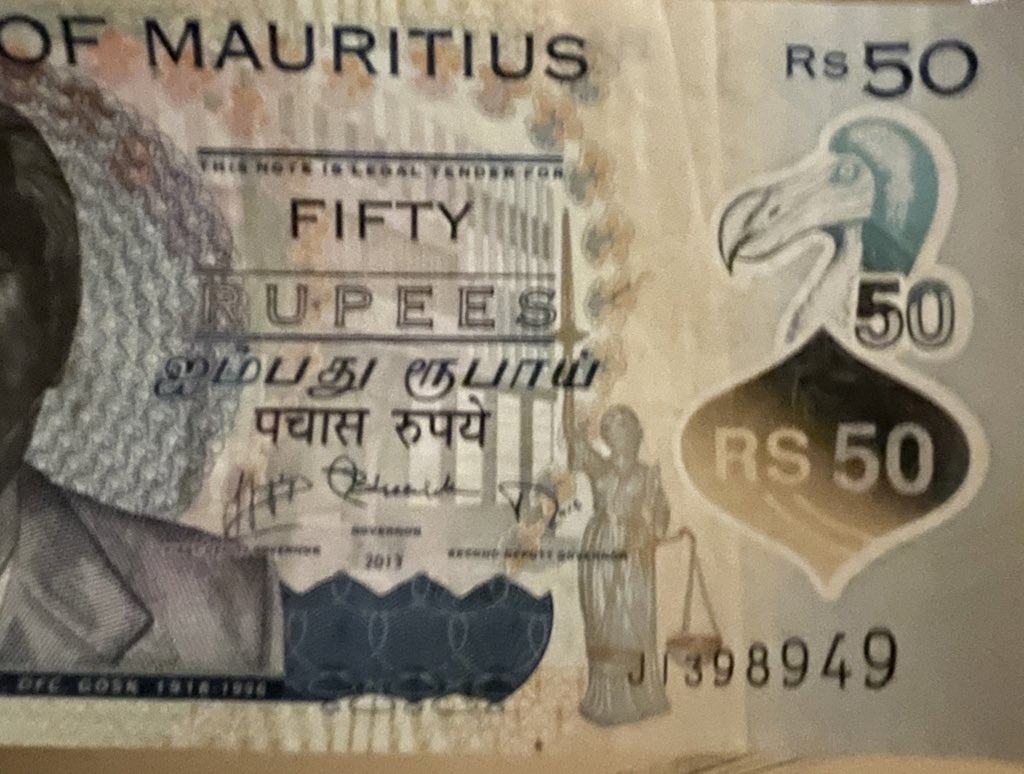
This chapter investigates how local populations frame two extinct animals: the dodo on the Indian Ocean island of Mauritius, and the Hoàn Kiếm turtle in Hanoi, Vietnam. How do these two extinct animals appear in cultural contexts and what does that say about extinction as cultural heritage? In the case of the dodo, I begin to investigate this question in the Mauritius Natural History Museum located in the capital city of Port Louis, then I branch out to cultural history museums on Mauritius, as well as cultural contexts outside of institutional settings. I argue that the dodo is celebrated as an “authentic”, indigenous island inhabitant, and as such is adopted into cultural heritage for the nation. In the case of the turtle, I examine the legendary and religious meaning of the turtle of Hoàn Kiếm lake and how the body of last turtle from that lake is used to bolster that context. I argue that the physical Hoàn Kiếm turtle is treated as one of many manifestations of the legendary turtle and is thus enrolled into cultural heritage spaces and practices.
Within humanities scholarship on extinction, sometimes labeled as Extinction Studies, responses to extinction focus on mourning, grief and guilt because the relationship knots are unraveling. But this approach is mismatched for these local responses to extinction, which focus on celebrating the lost species. Examining the extinction narratives invoked in these contexts, I will argue that extinction can be cultural heritage and these locales have embraced it. Rather than unraveling, the extinction weaves threads together.
Dolly Jørgensen. “Extinction as Cultural Heritage: The Dodo and The Turtle.” In Unsettling Extinction, ed. R. Bartosch, U. Heise, and K Rigby, 45-61. Bloomsbury Academic, 2026.
For more information, see the publisher’s page for the book.