literature
-
Connecting reintroduction and deextinction
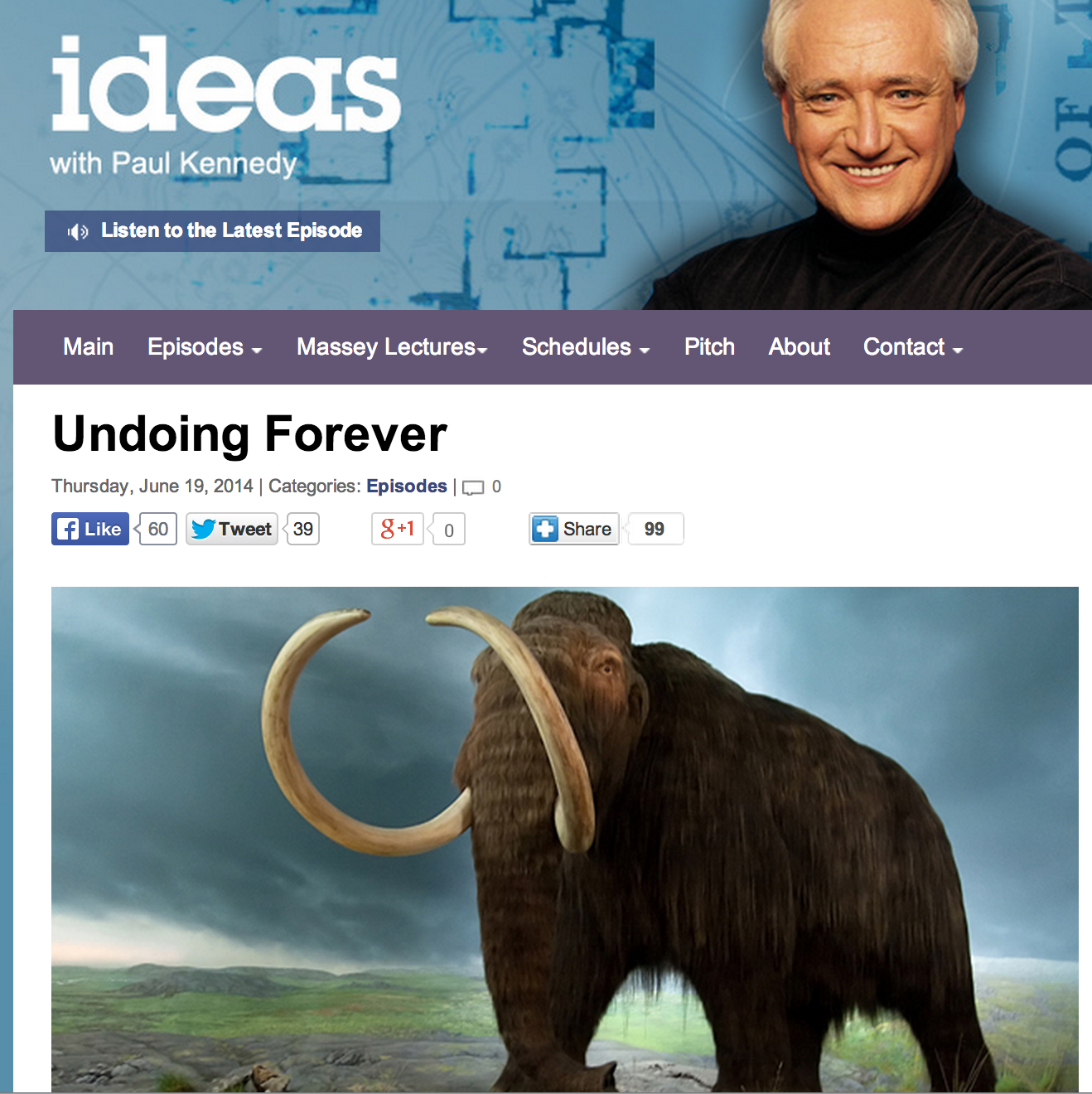
Ever since I watched the TEDx DeExtinction event in March 2013, I’ve been thinking about how deextinction efforts need to consider the history of reintroductions if they are to be successful. I published a Viewpoint piece in Bioscience in September 2013 with some of those thoughts. Because of that publication and putting my opinions into the scholarly conversation, in the last couple of months, I’ve had the chance to talk with a couple journalists covering deextinction. The June 2014 issue of Bioscience included “Extinction is forever … or is it?” by Leslie Ogden (available OpenAccess). When I talked to Leslie, I stressed the need to consider the destination of these animals being brought back.…
-
Drawing lines in time
Deciding what constitutes a ‘native’ species and what does not–and thus what counts as a ‘reintroduction’ or not–is simply not simple. There is no single accepted definition. This is really obvious if we look at differences among the European countries’ Red Lists. Red Lists have been made at a country-by-country level for many nations in the EU. Contrary to popular belief, these lists do not capture only endangered and threatened species. Very common species are included on Red Lists under the category ‘Least Concern’. Rather than endangerment lists, Red Lists are listing of species that ‘belong’ in a country. I use ‘belong’ here intentionally because the lists often do not talk in…
-
They didn’t know better … or did they?
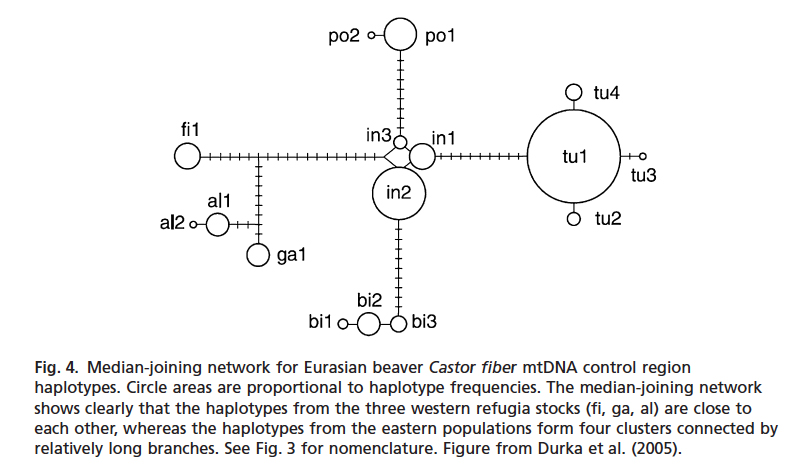
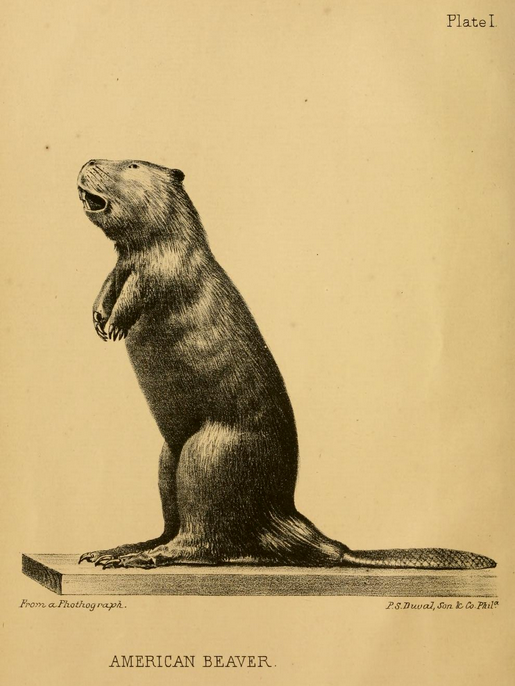
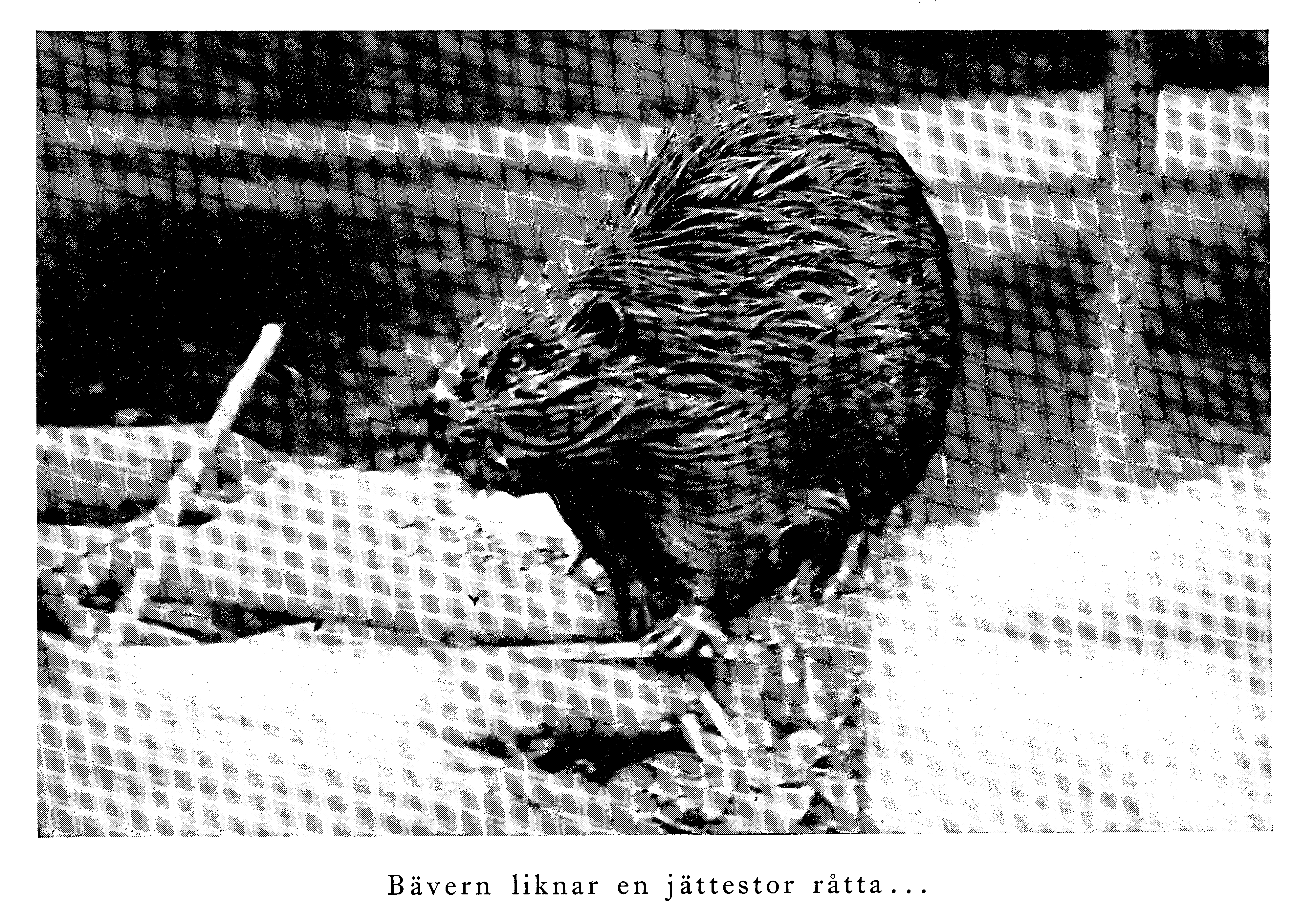
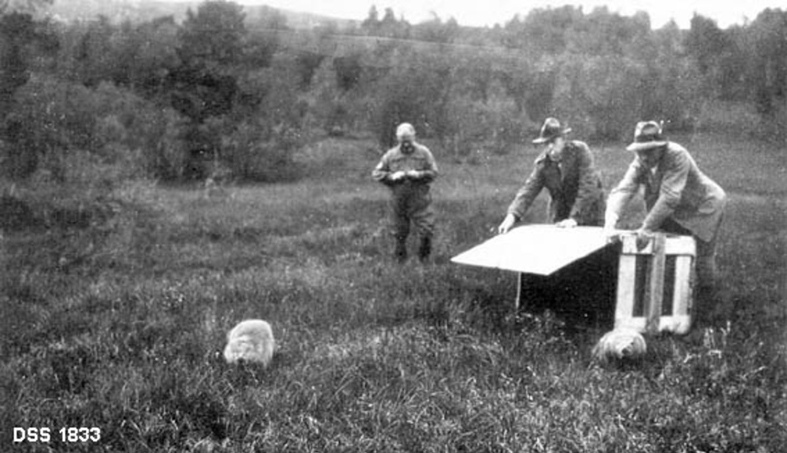
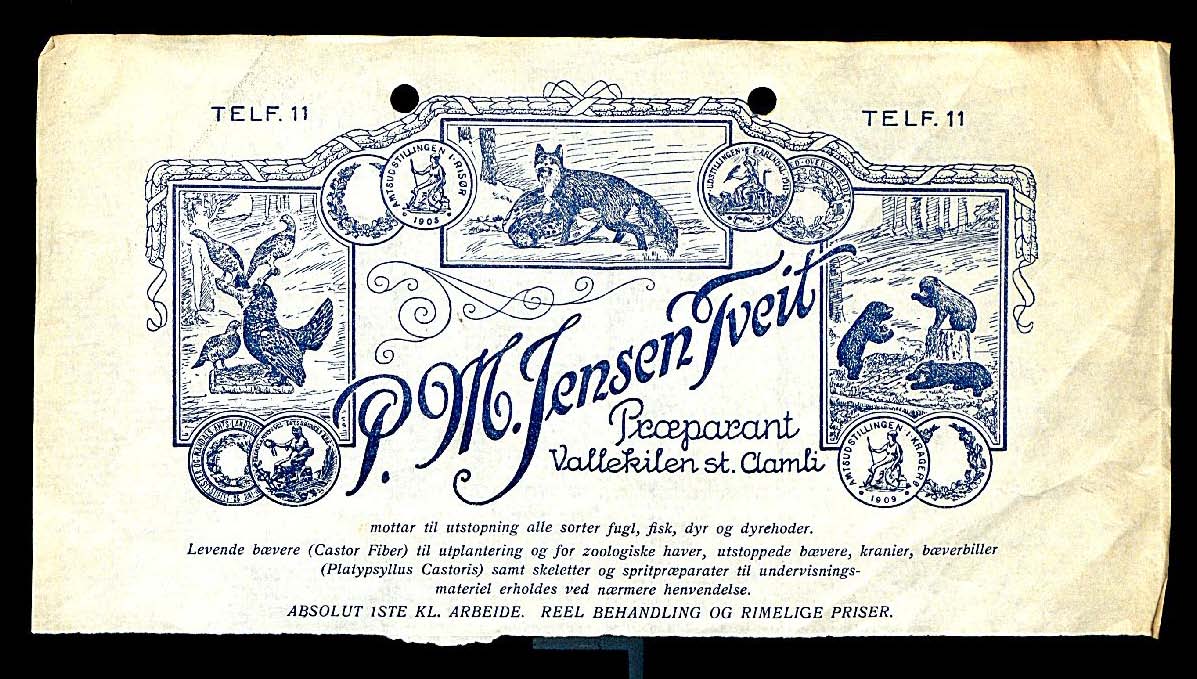
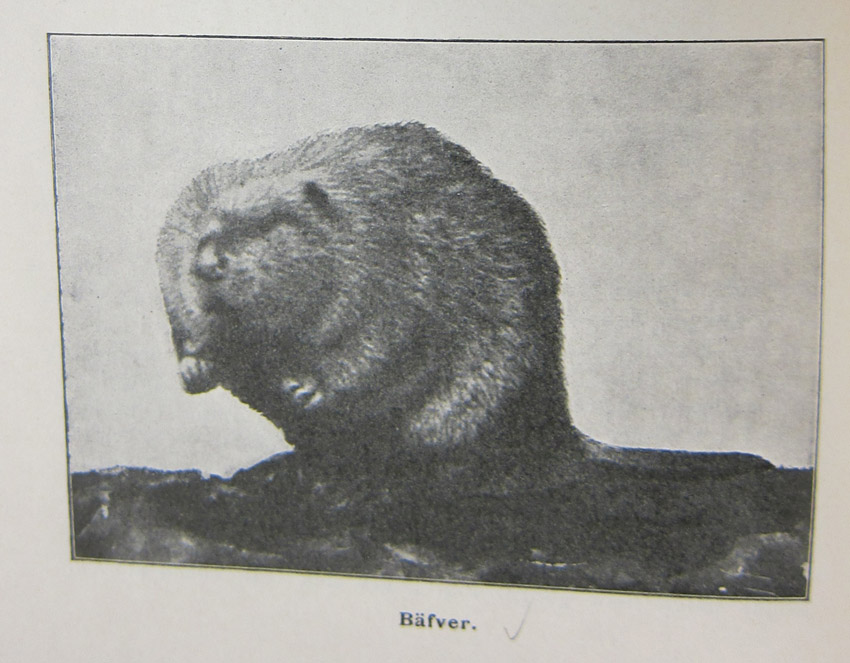
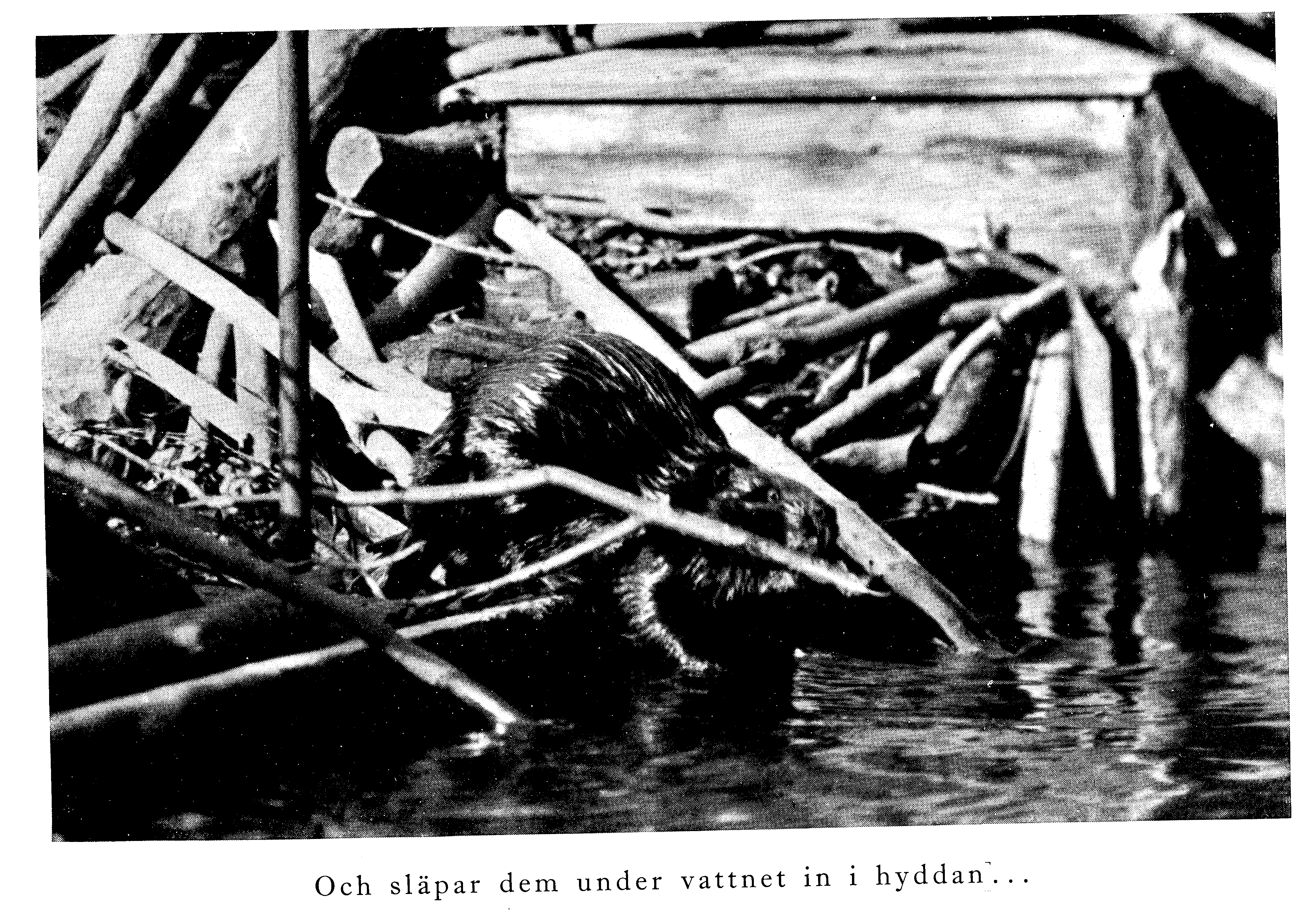
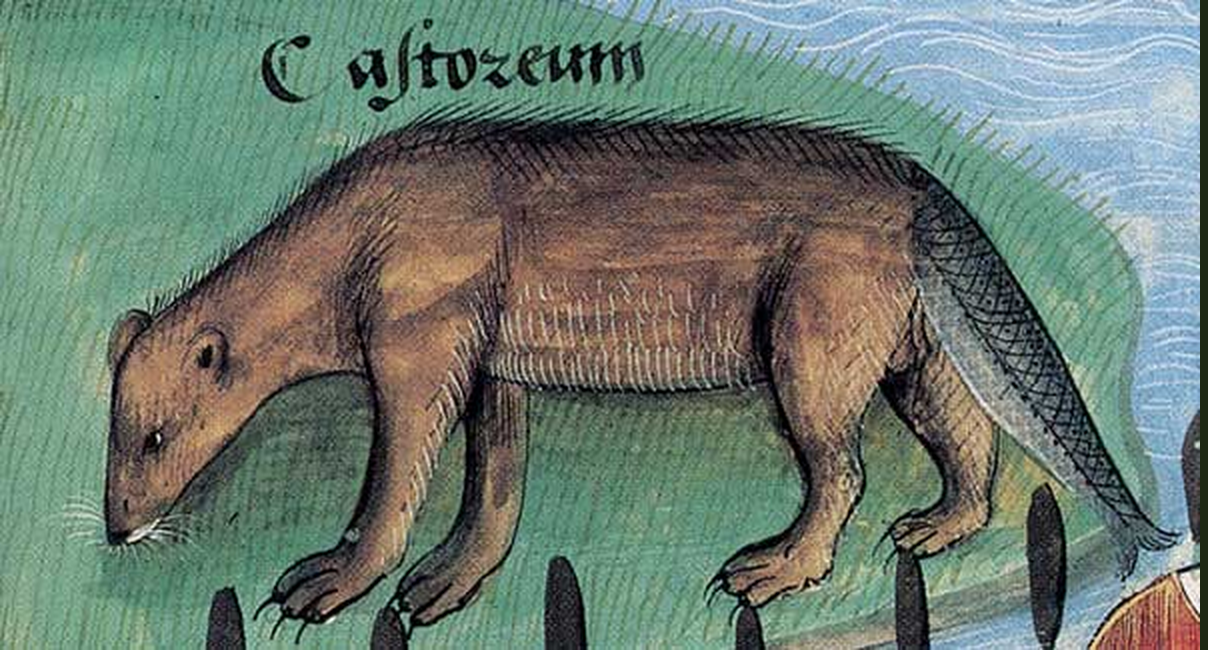
This week, I’ve run into something in the scientific literature about the beaver reintroductions that disturbs me. It is the trend for natural scientists to assume that people in the past did something because they didn’t know better. The assumption is that our increasing scientific ‘knowledge’ leads us to make better decisions. I think this is a very naïve understanding of both human behaviour and scientific knowledge. Here’s what got me thinking about this. In an article from 2012 about the North American beaver as invasive species in Europe, the authors (who all have done extensive biological work on beaver populations in Europe) wrote: The North American beaver Castor Canadensis…
-
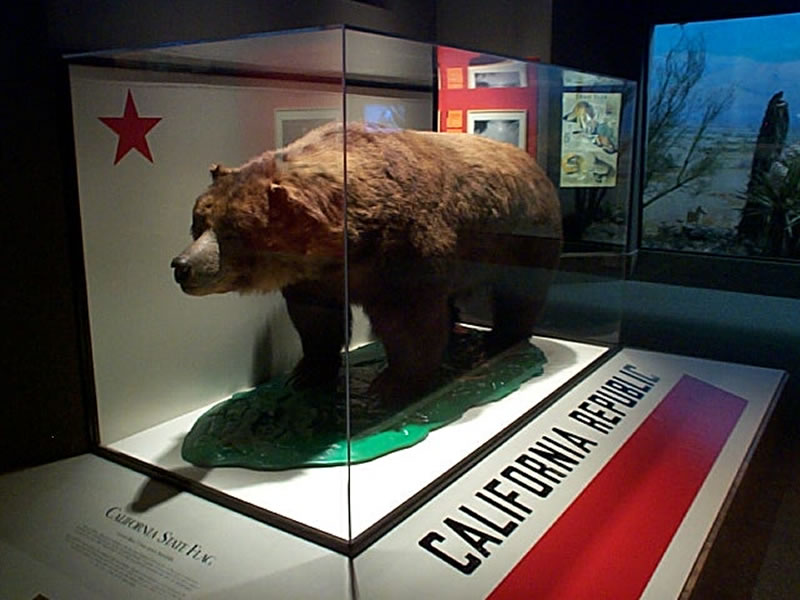
State symbols
I recently ran across the list of US State Insects (yes, most states have a named mascot insect) and an amazing fact struck me: over half of the states have designated non-native insects as their State Insect! Sixteen states have named the European honey bee (Apis mellifera, also known as the Western honey bee) as their official insect, plus one named it as their “agricultural insect”. This honey bee is a native to Eurasia and Africa. It was introduced into North America by the early 1600s for honey production and subsequently spread directly and indirectly throughout the continent. There’s a nice table in E.E. Crane’s The World History of Beekeeping and Honey…
-
Ranking reintroduction
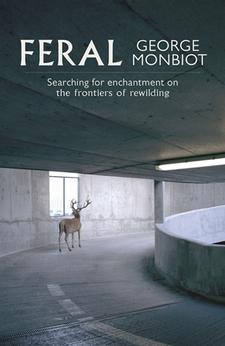
I recently finished reading Feral: Searching for Enchantment on the Frontiers of Rewilding by George Monbiot for an article I’m working on about rewilding. Much of Monbiot’s vision for a “rewilded” world is based on animal reintroduction. He presents a table of large mammals and birds that could be reintroduced in Britain in which he gave scores from 1-10 indicating his perception of the “suitability” of the species. He writes that the highest scores are the reintroductions that might be tried first, on the grounds that they are most likely to succeed, to be politically acceptable and to help restore dynamic processes in the rewilding lands or seas of this country…
-
Denization & acclimatization
This week I was at a conference quite unrelated to my project on reintroduction: the Blood Conference about blood in medieval and early modern culture. But surprisingly, there was one paper that brought up an issue quite relevant to this research. In her keynote “Blood of the Grape,” Frances Dolan (UC Davis) discussed the early modern desire to cultivate grapes on English soil because it was thought that these grapes would make wine that was more fit for consumption by English. It was basically a terroir argument: that the special characteristics of a place (its soil, geography, climate) infuse agricultural products with certain qualities. This was combined with an ethnic argument…
-
Wildlife Comeback Report
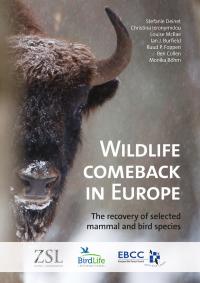
A few months back, in September 2013, the conservation initiative Rewilding Europe issued the “Wildlife Comeback in Europe”. The report was written as a joint effort with the Zoological Society of London (ZSL), BirdLife International, and the European Bird Census Council (EBCC) and got international news coverage, including articles in BBC News and New York Times. I haven’t had the chance to write about the report, but I wanted to take a few minutes to reflect on it because of its potential reach. Unlike most environmental news these days, the message was positive. The BBC article quoted Prof Jonathan Baillie, director of conservation at the Zoological Society of London, as saying We’re trying…
-
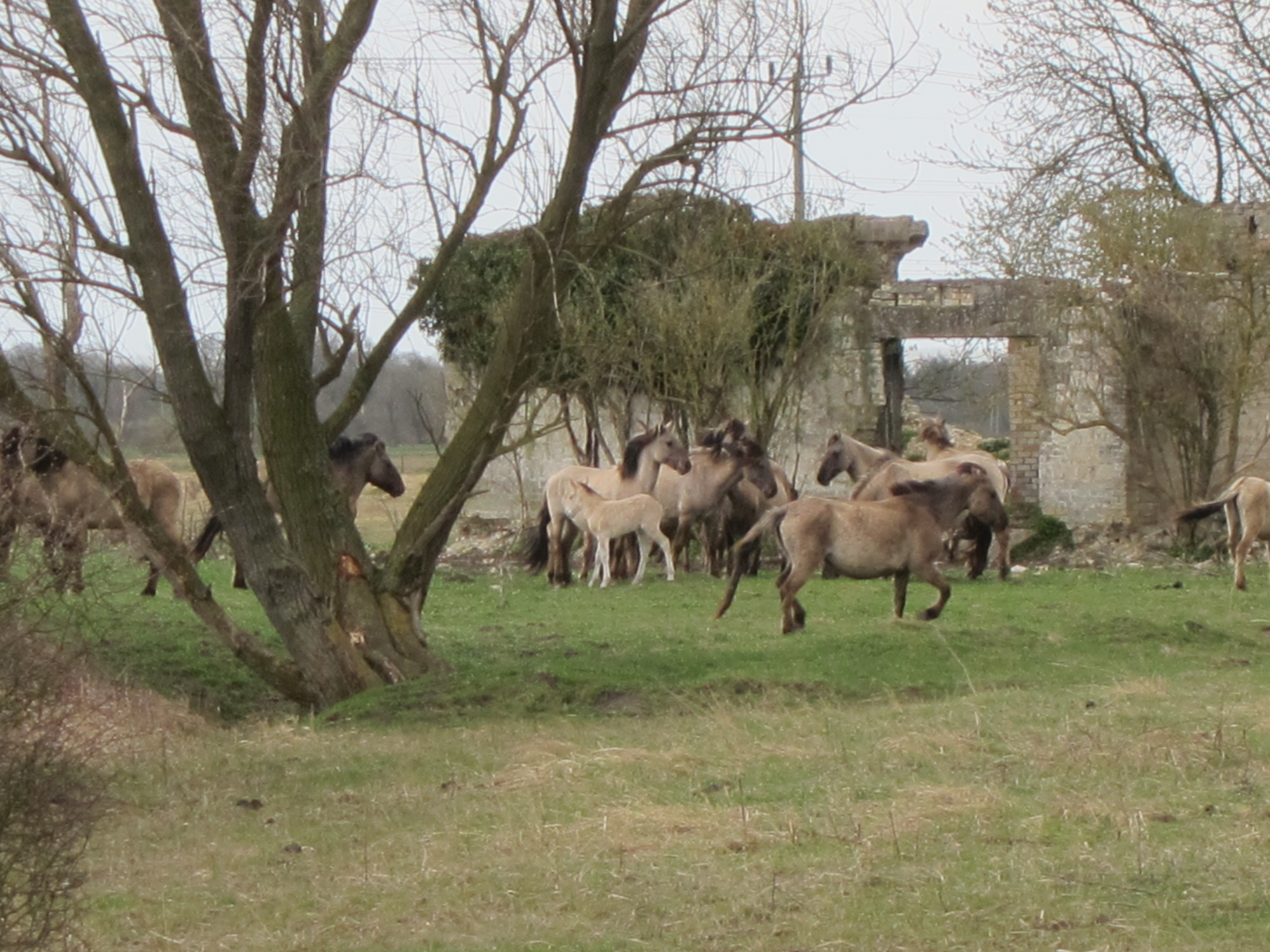
Reflections on rewilding
I have recorded a new podcast with Jan Oosthoek at Environmental History Resources called “Desire for the Wild – Wild Desires? The Trouble with Rewilding”. In the podcast, I offer some reflections about a workshop I attended back in the spring at Cambridge and Wicken Fen in England. Paul Warde wrote up his own thoughts about the workshop for the project’s blog immediately afterward, so this was my chance to follow suit. During the workshop, I posted about the grazing animals being used to “rewild” Wicken Fen and questioned their “wildness”. My concern is not with the use of ponies or cattle to manage vegetation at Wicken Fen, it is…
-
Reintroduction as restoration
I recently published an article titled “Ecological restoration in the Convention on Biological Diversity targets” in the journal Biodiversity and Conservation. The article looks at how ecological restoration has been built into the Convention on Biological Diversity (referred to as CBD) targets for 2020. One of the targets establishes a numerical goal of “restoration of at least 15 per cent of degraded ecosystems.” In the article, I discuss the problems of setting up such a quantitative goal when what you mean by “restoration” and “degraded ecosystems” haven’t even been defined. One of the issues I bring up in the article is how reintroduction projects should count, if at all, toward the…
-
Reintroduction & de-extinction
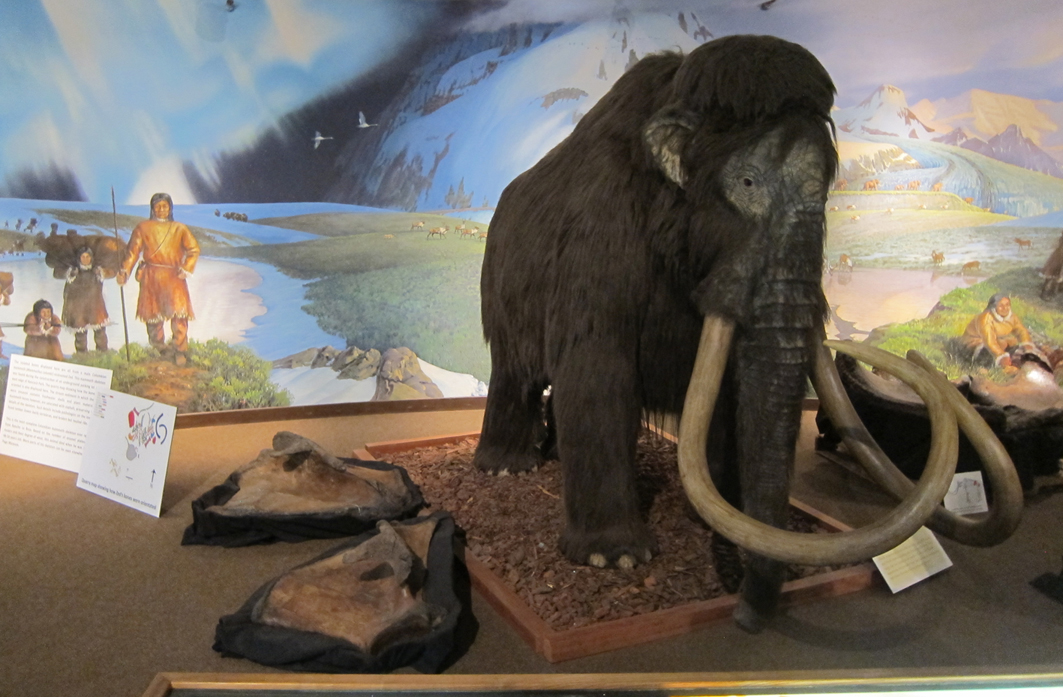
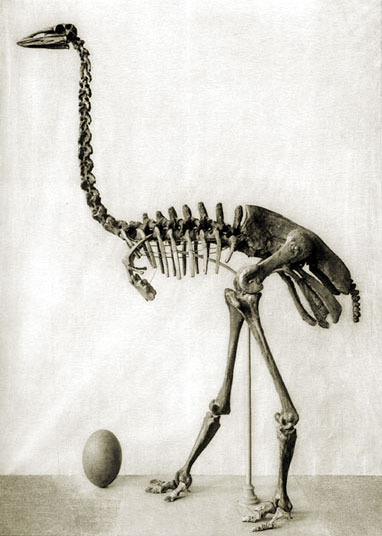
I have a short Viewpoint piece out in this month’s Bioscience about the potential link between reintroduction (bringing a species back to an area where it was formerly) and de-extinction (bringing a species back to life through fancy genetic means after it has been declared extinct). I suggest that reintroduction experience and standards should be a guide for de-extinction projects that attempt to bring back formerly extinct species. Now I want to make it perfectly clear that the article does not say we should be going around de-extincting species. What it says is that we will be – and that’s not entirely the same thing. I think, like animal cloning,…