-
On the last of the tigers
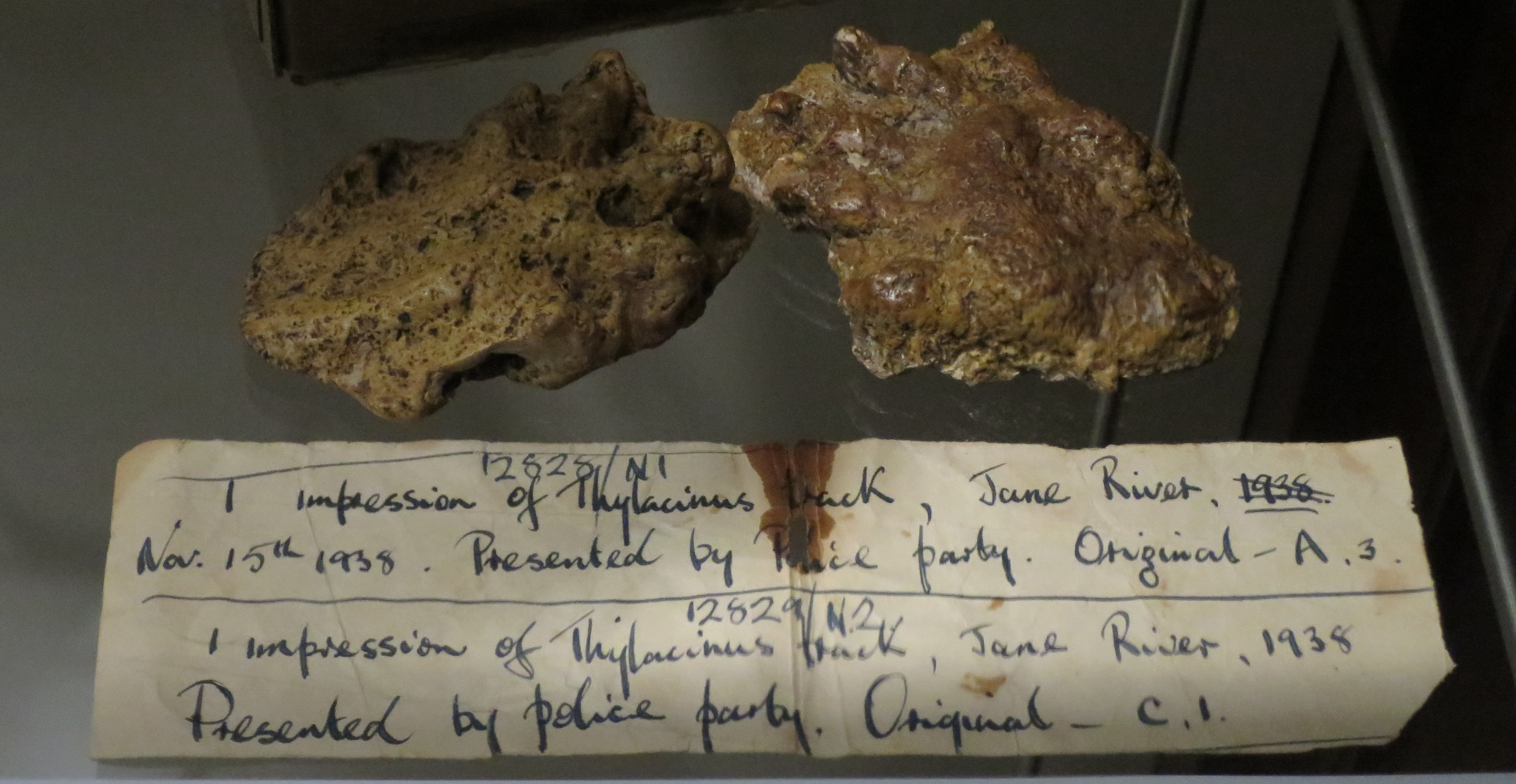
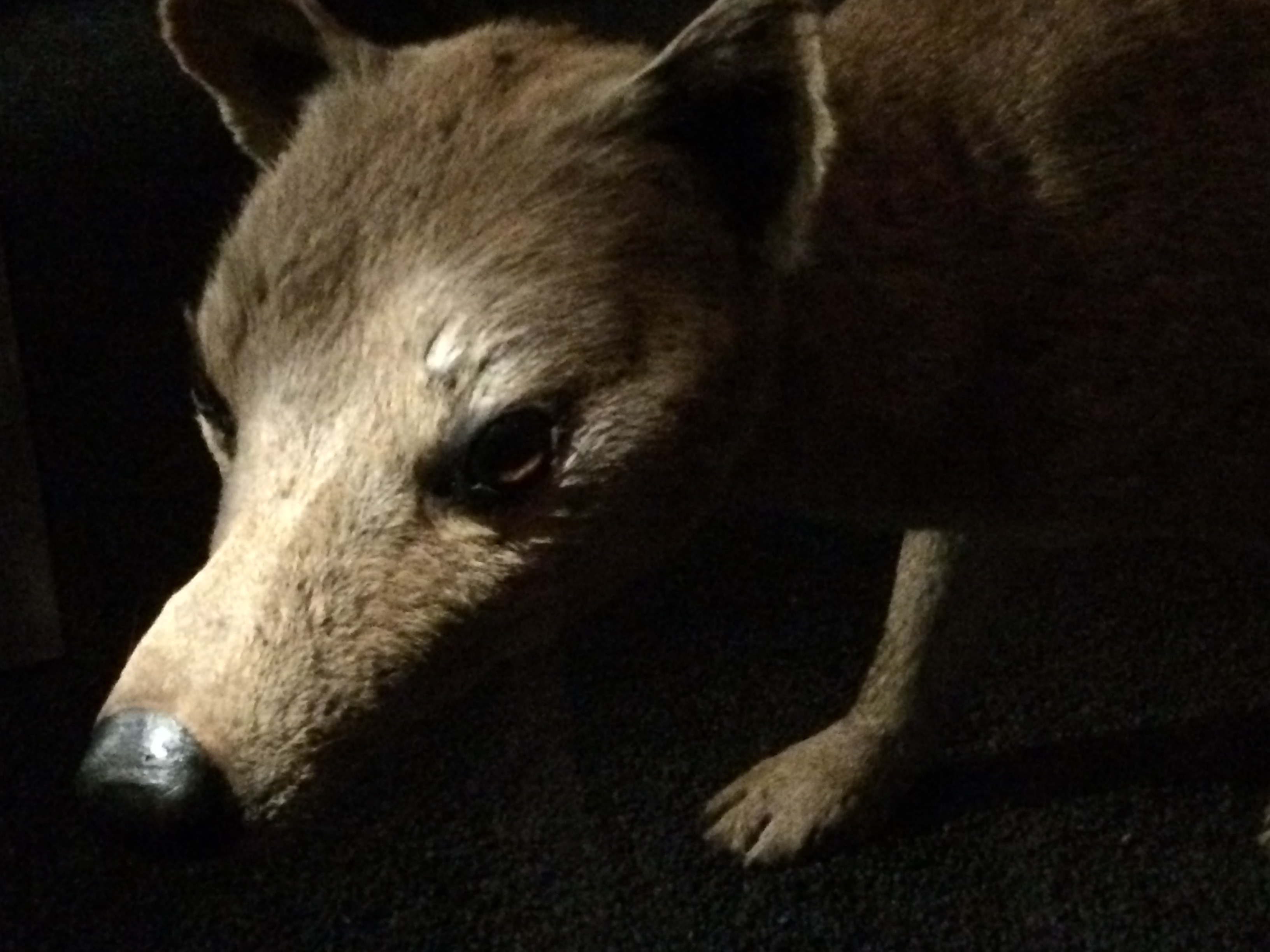
This September 7th marks the 80th anniversary of the extinction of the thylacine, also known as the Tasmanian tiger. Or at least, that’s the date that has been agreed upon in official sources as the extinction date. I took up the issue of dating the thylacine’s extinction in my recently published article “Presence of absence, absence of presence, and extinction narratives” in the volume Nature, Temporality and Environmental Management: Scandinavian and Australian Perspectives on Landscapes and Peoples. The question is whether or not the absence of evidence of live thylacines should be interpreted as the absence of thylacines. This proves a more challenging question to answer than you might think.
-
Perception of risk of harm
Today I gave a lecture at the ESEH Summer School called “Knowing and not knowing: How ideas of risk affect responses to disease and pests”. I picked this topic because the School is focused on “The Undesirable: How Parasites, Diseases, and Pests Shape Our Environments”. It made a nice follow-up to my talk earlier this summer at the parasite conference in Turku. In the talk I laid out some initial thoughts about how we as environmental historians can historicise responses to things identified as dangerous or harmful. My proposal was that responses are determined by the perception of risk of harm based on knowledge or lack of knowledge.
-
A non-specialist specialist
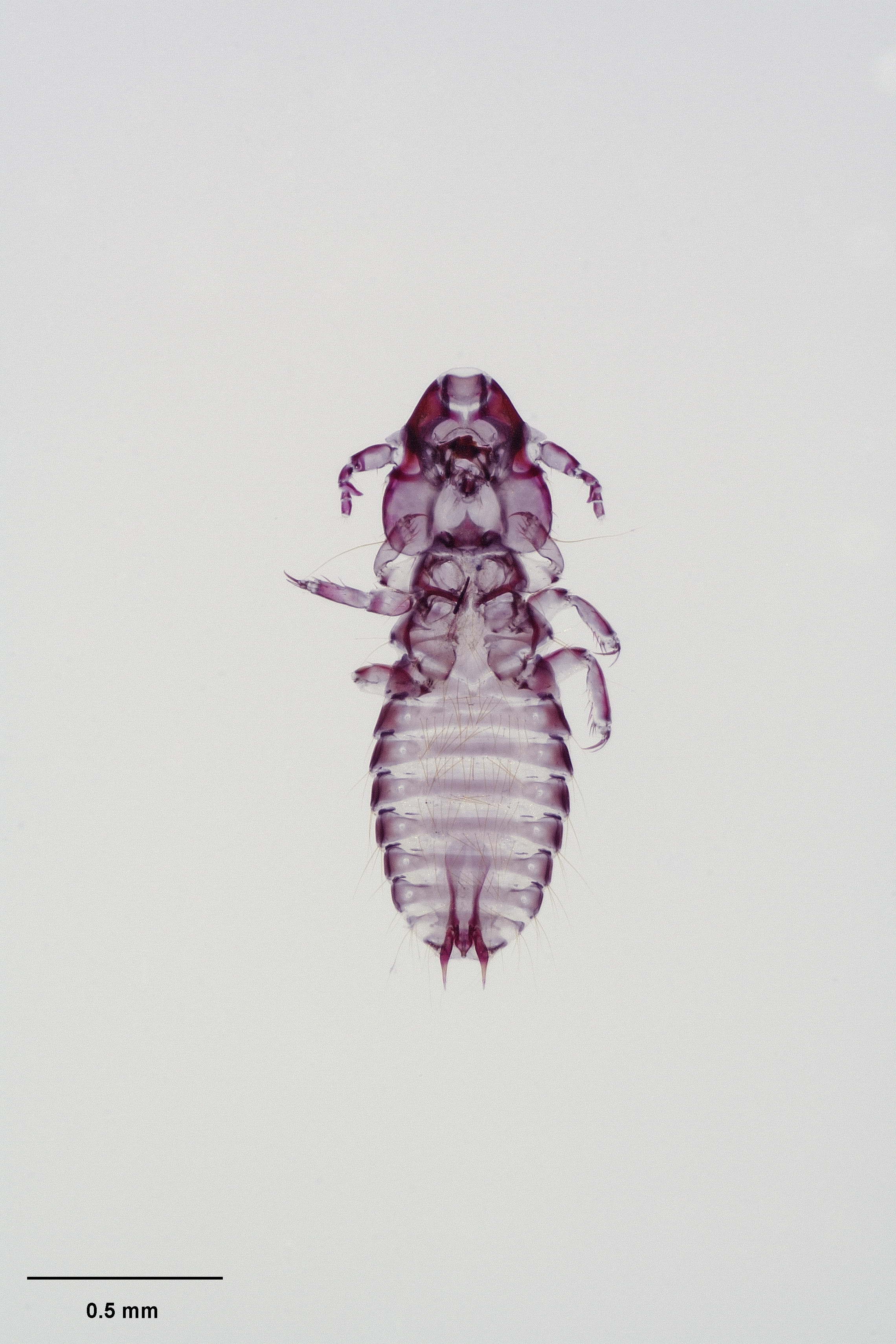
This week I’m at the 12th European Multicolloquium of Parasitology (EMOP XII) in Turku, Finland. Why, you might ask, am I at a conference about parasites? I am not by any stretch a parasite specialist like the rest of the attendees. But I was asked to give a plenary speech in spite of, or even more correctly because of, my background. I think how this came about can be instructive for environmental historians so I’ll tell you the story.
-
The wild side of Hong Kong
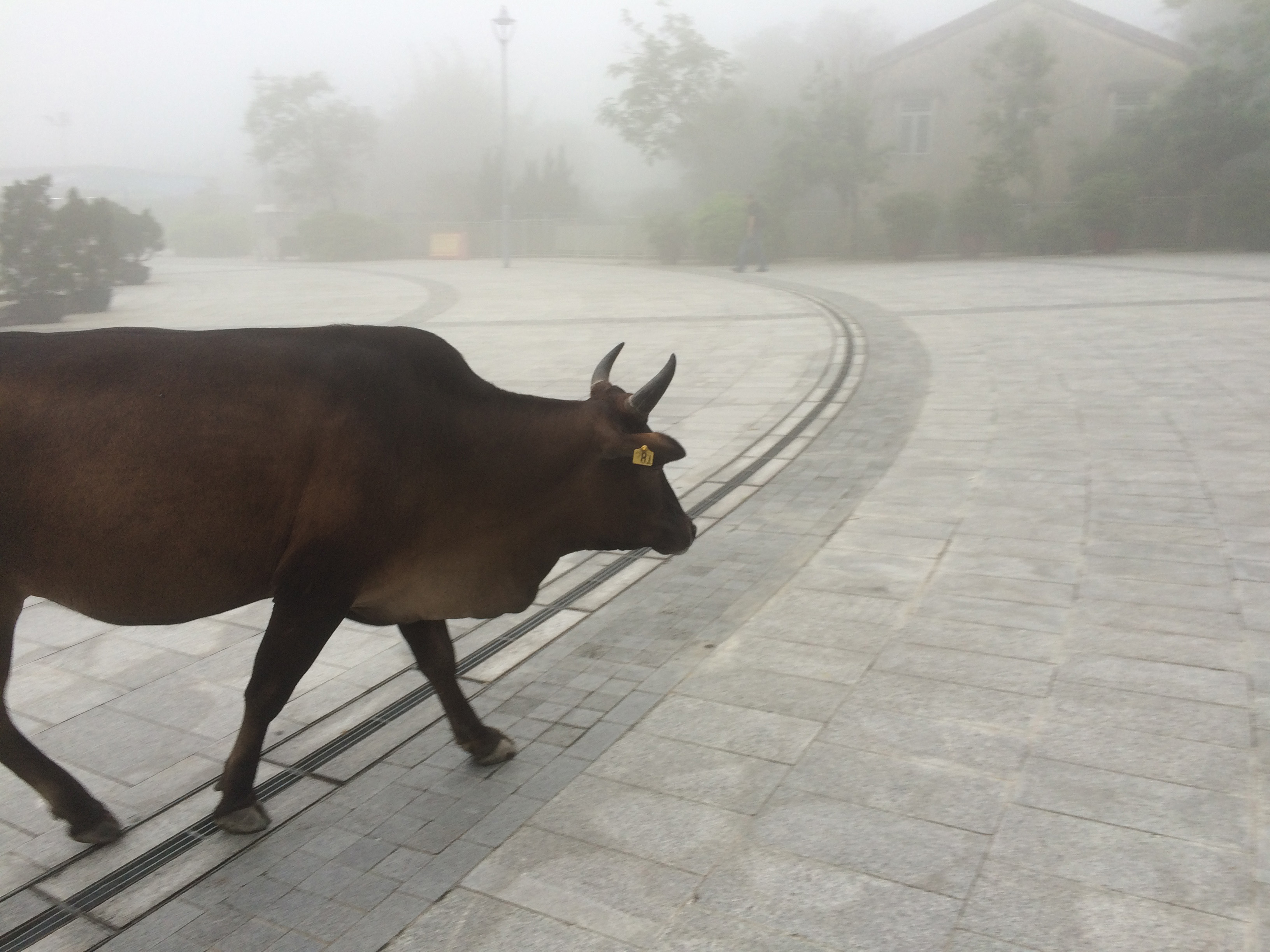
Hong Kong is a noisy metropolis, but bird song fills the air in the Yuen Po Bird Garden in the Mong Kok district. The garden features stalls selling songbirds, carved wooden cages, and bird food including lots of live creepy crawlies. In American and European pet stores, birds are also commonly for sale, but they tend to be brightly coloured parakeets, budgies, or parrots. At Yuen Po, most of the birds were sandy brown or black and white. They were not being sold for their feathers as much as for their songs. The bird species were almost all local to Hong Kong, like the oriental magpie-robin and red-whiskered bulbul. They were the…
You May Also Like
The gifts of 2015
-
Animals and authority in the Arctic
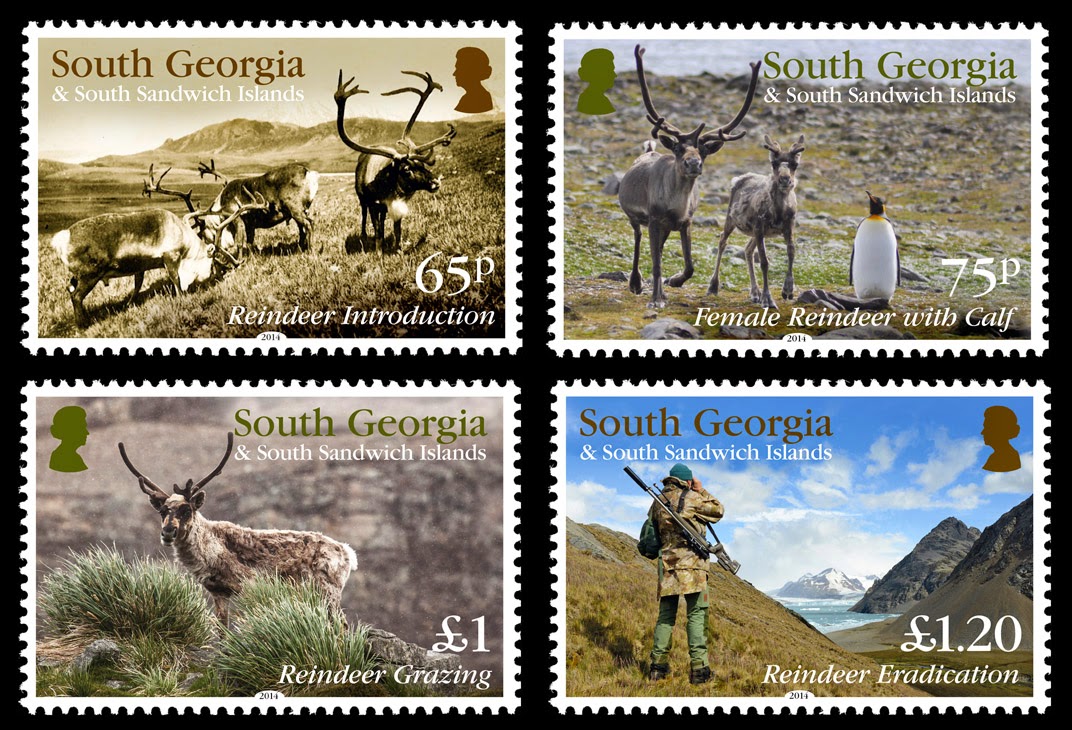
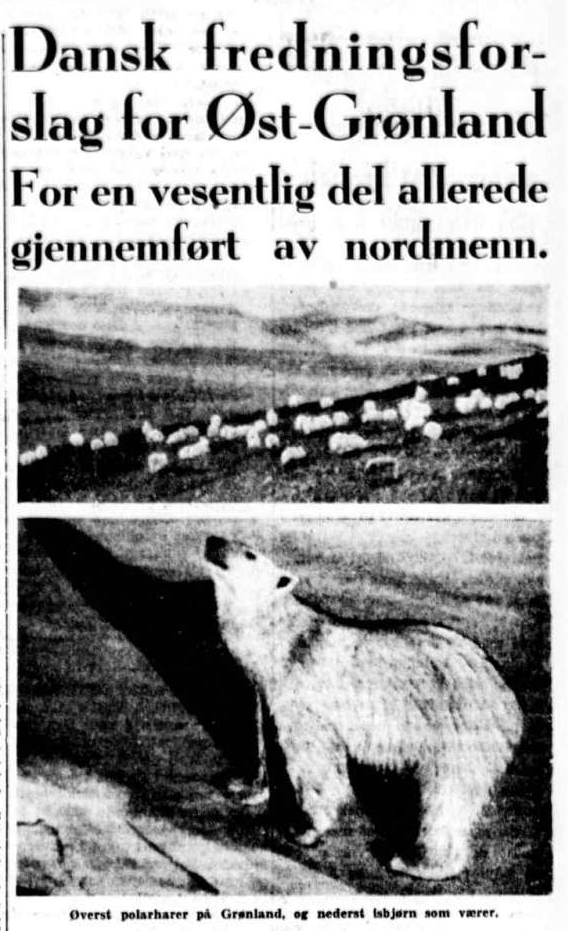
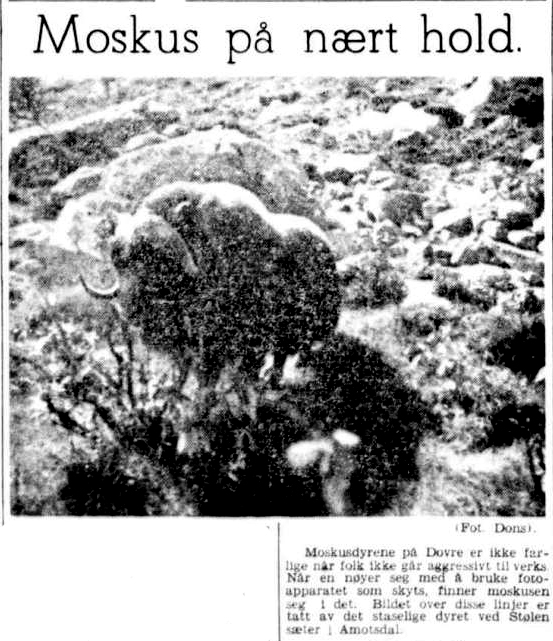
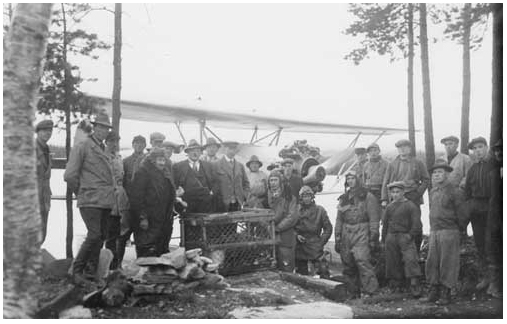
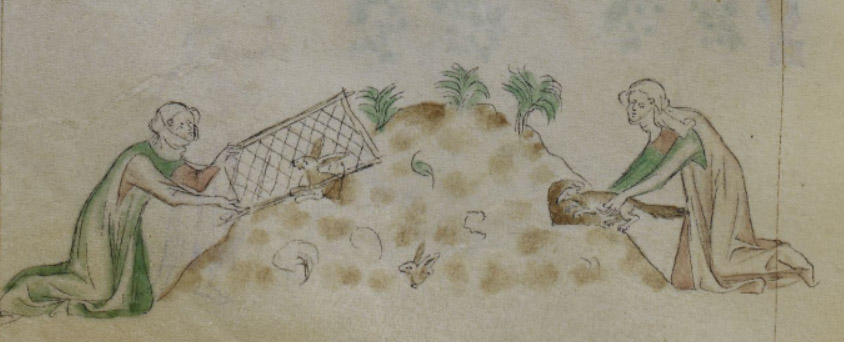
I have a new article out co-authored with Peder Roberts (KTH Royal Institute of Technology) on the many attempts and plans by Norwegians to move animals to and from the Arctic during the Interwar period. We teamed up together on this because while I had looked into the muskoxen relocated from East Greenland to Svalbard and the plans to introduce lemmings and rabbits as fox food on Svalbard, Peder had done work on penguin, seal, and reindeer relocations involving the Antarctic. The sheer number of these attempts was mind boggling.
-
Animal history at ASEH 2016
Last week I was at the American Society for Environmental History (ASEH) meeting in Seattle, Washington. I took part in two sessions on animal history that I wanted to reflect on here. The first was a roundtable “Animal History: Opportunities, Problems, Controversies, Politics”. The session was put together by Susan Nance (University of Guelph) to highlight some of the approaches and questions brought out in her edited volume The Historical Animal (Syracuse University Press, 2015). The panelists had all contributed to the volume: Susan who wrote the introduction; Zeb Tortorici (New York University) who reflected on animal bodies in Mexican archival sources; an interdisciplinary team of Charles Gunnels IV and…
-
Belonging to country
What does it mean to belong? When something belongs to someone, it means that person has ownership or title to it. When something belongs to a place, it means that it is accepted there, often making its home there. But I’ve come to think belonging is much more than that after two weeks down under.
-
From tiger to devil
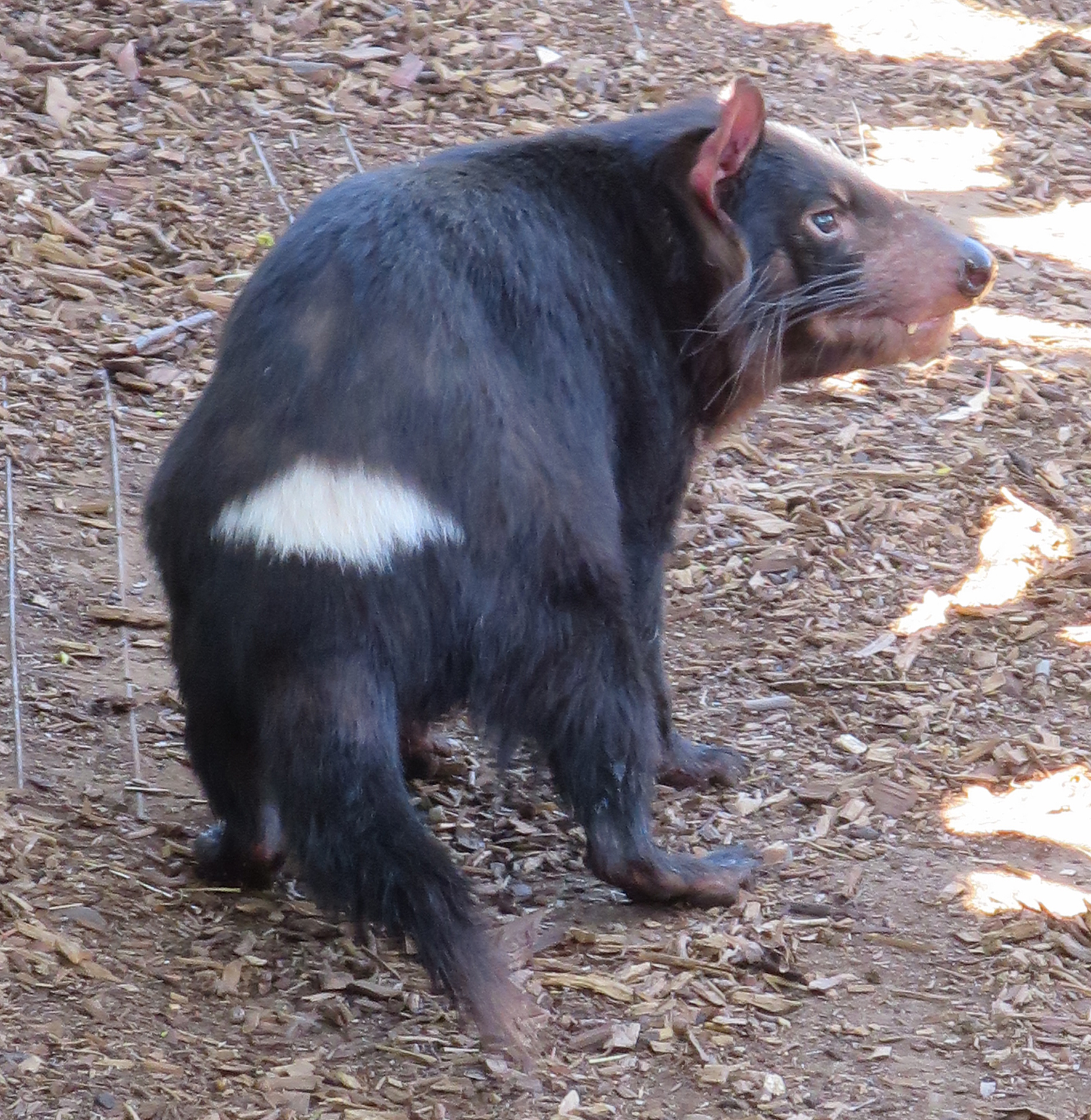
The island of Tasmania, Australia, was the final home of the large carnivorous marsupial thylacine, also known as the Tasmanian tiger because of its stripes. The last known thylacine died in September 1936 in a private zoo in Hobart, Tasmania. Because I’ve been interested in extinction and extinction stories, I visited Hobart earlier this week to see the home of the thylacine.
-
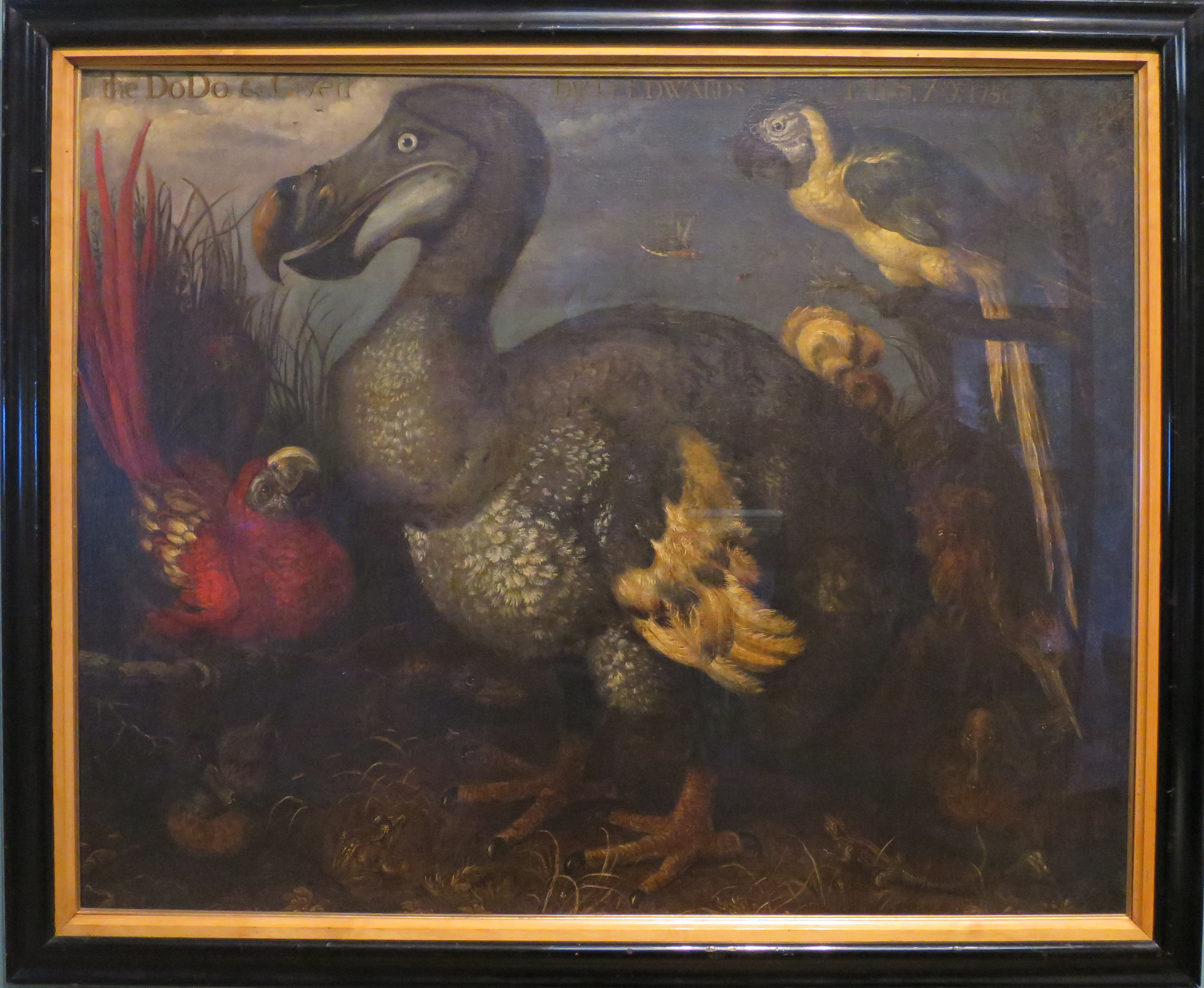
Dead as a dodo
In all likelihood you’ve heard the phrase ‘dead as a dodo’. The phrase probably has Victorian origins and built upon the existing older saying ‘dead as a doornail’ according to an article by Turvey and Cheke in Historical Biology. The earliest record of the phrase listed now in the Oxford English Dictionary is 1904 and the phrase grew in popularity beginning in the 1940s, if you believe the Google n-gram chart.
-
The gifts of 2015
It’s the end of the year and time for reflections over this blog and my research year. Since it is Christmas time and I can’t count how many times I’ve heard various versions of “The Twelve Days of Christmas”, I let the song inspire this wrap-up. On the 1st day of Christmas my research gave to me: A starling in a blooming tree In June I posted about Rachel Carson’s essay “How About Citizenship Papers for the Starling?” which postulated that the European starling is a fully integrated American bird. The starling is a great case for thinking about belonging rather than native/non-native labels as a key element of human/non-human relations.…