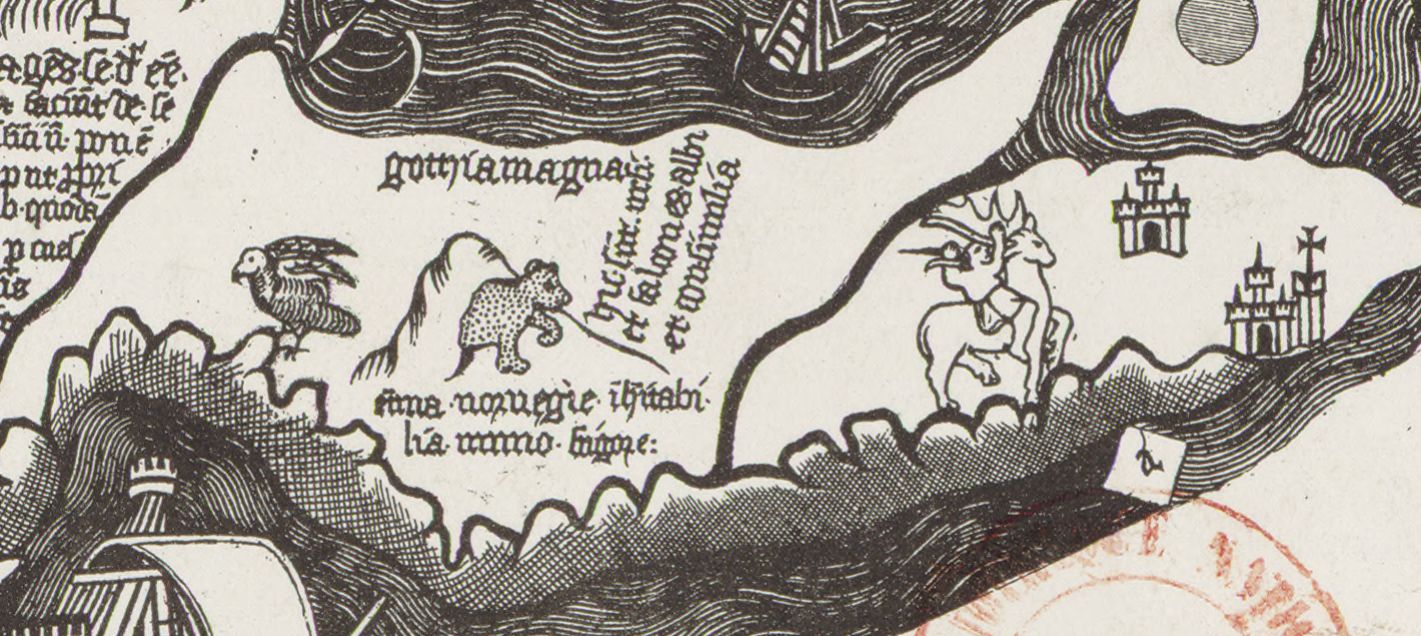
Moving Muskoxen as an Arctic Resource in the Twentieth Century

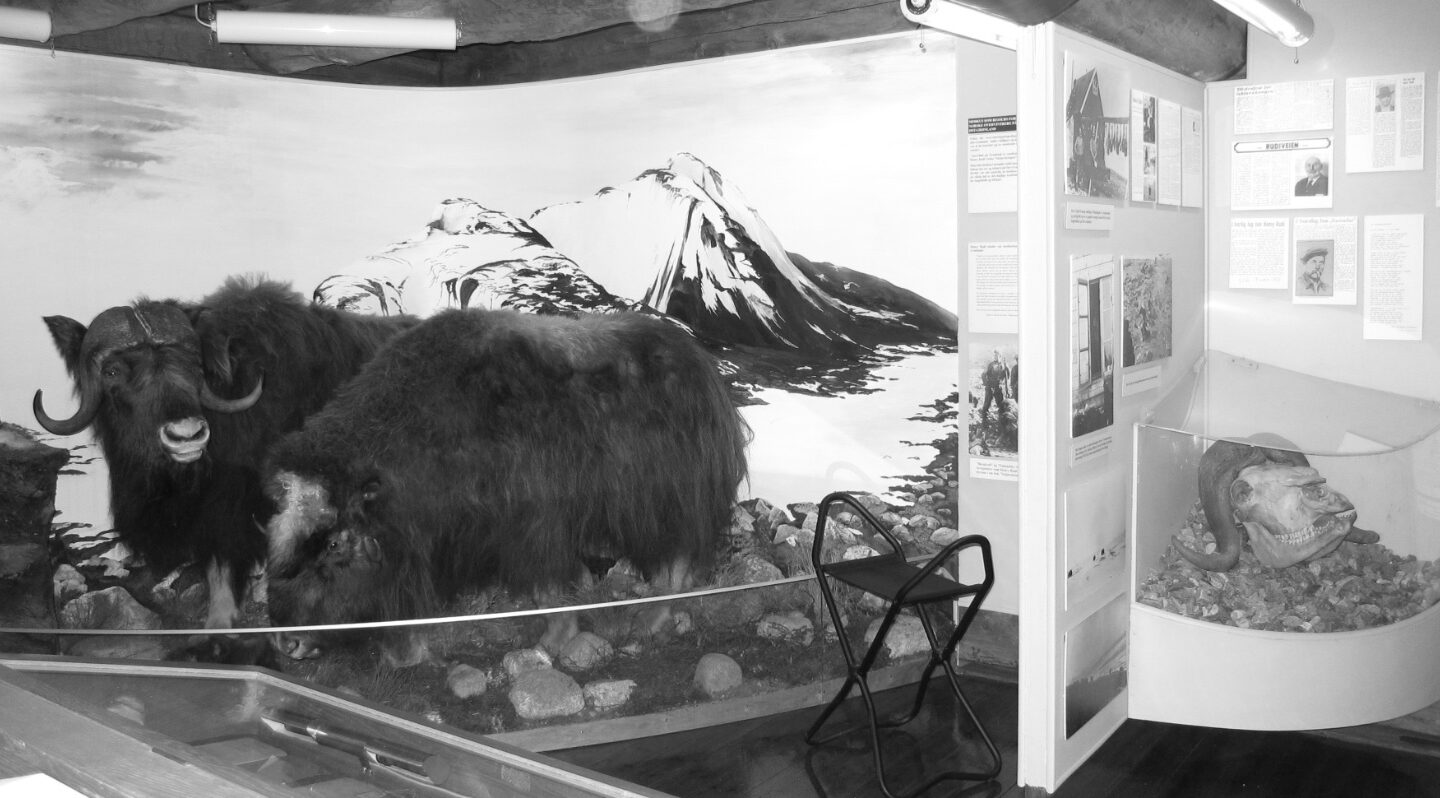
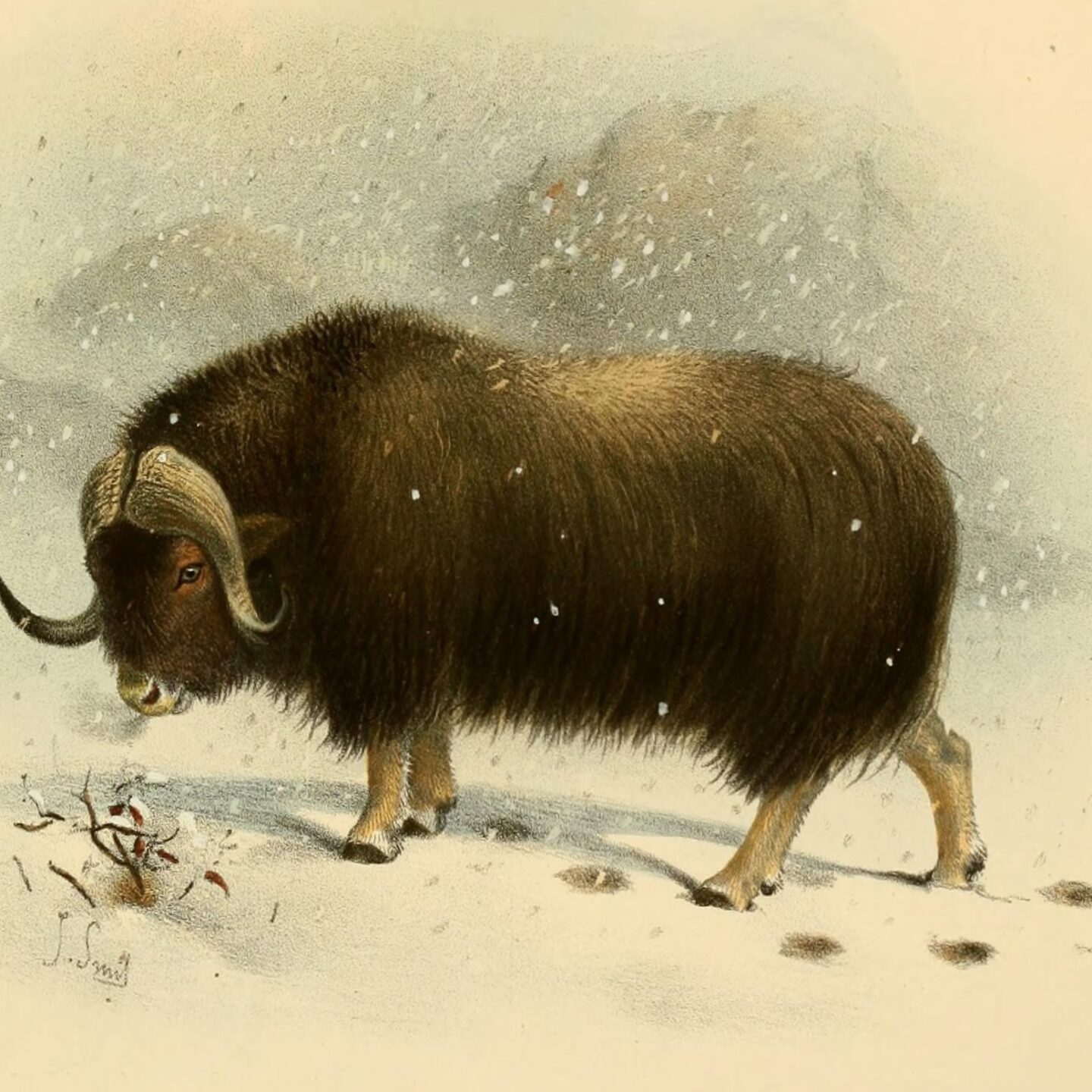
In this chapter I discuss how muskoxen went from having a small geographical distribution in the 1800s to being flung across the northern reaches of the Northern northern hemisphere by humans moving them in the late nineteenth and twentieth century.  While these movements were never in large numbers, they spread …
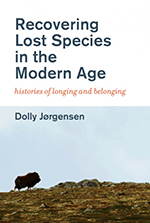
Recovering Lost Species in the Modern Age: Histories of Longing and Belonging

This groundbreaking book brings together environmental history and the history of emotions to examine the motivations behind species conservation actions. In Recovering Lost Species in the Modern Age, I use the environmental histories of reintroduction, rewilding, and resurrection to view the modern conservation paradigm of the recovery of nature as an …

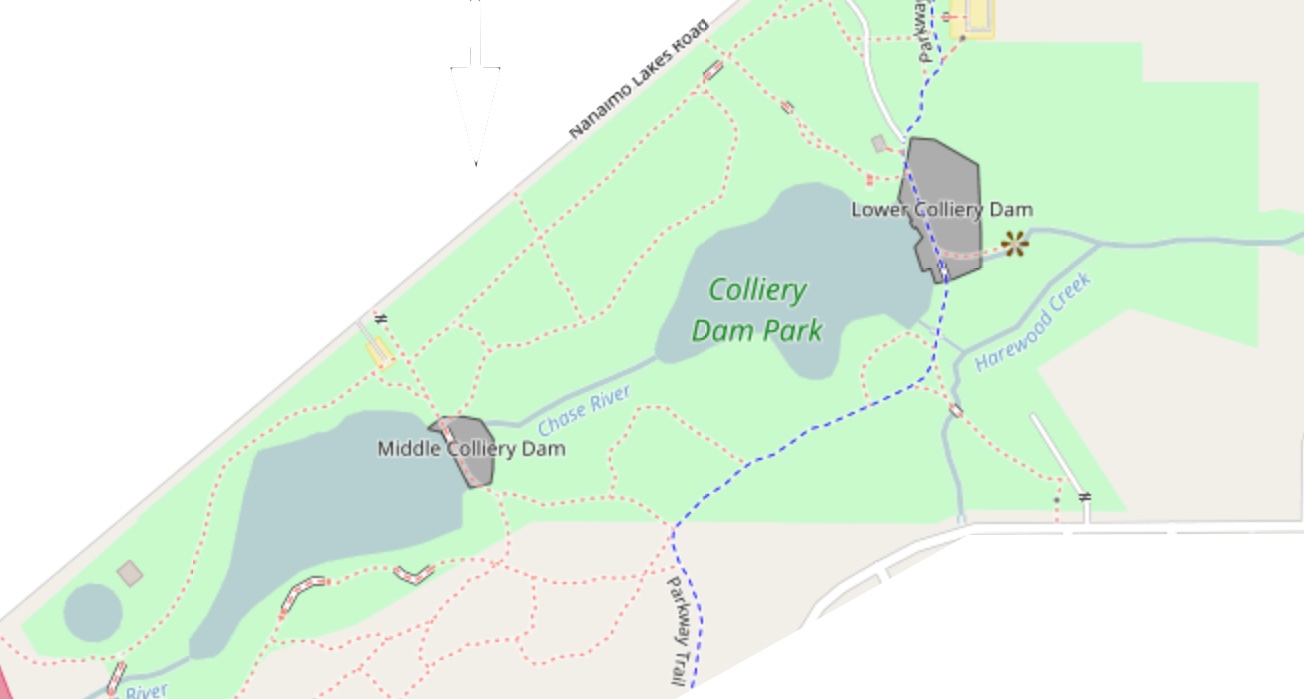
Competing ideas of ‘natural’ in a dam removal controversy

In spite of general support for removal of dam structures within the ecological sciences community, local residents sometimes contest dam removals. This article examines the competing ideas of ‘natural’ and ‘nature’ that may surface in a dam removal controversy. Using the conflict of the Colliery dams of Nanaimo in northwestern …

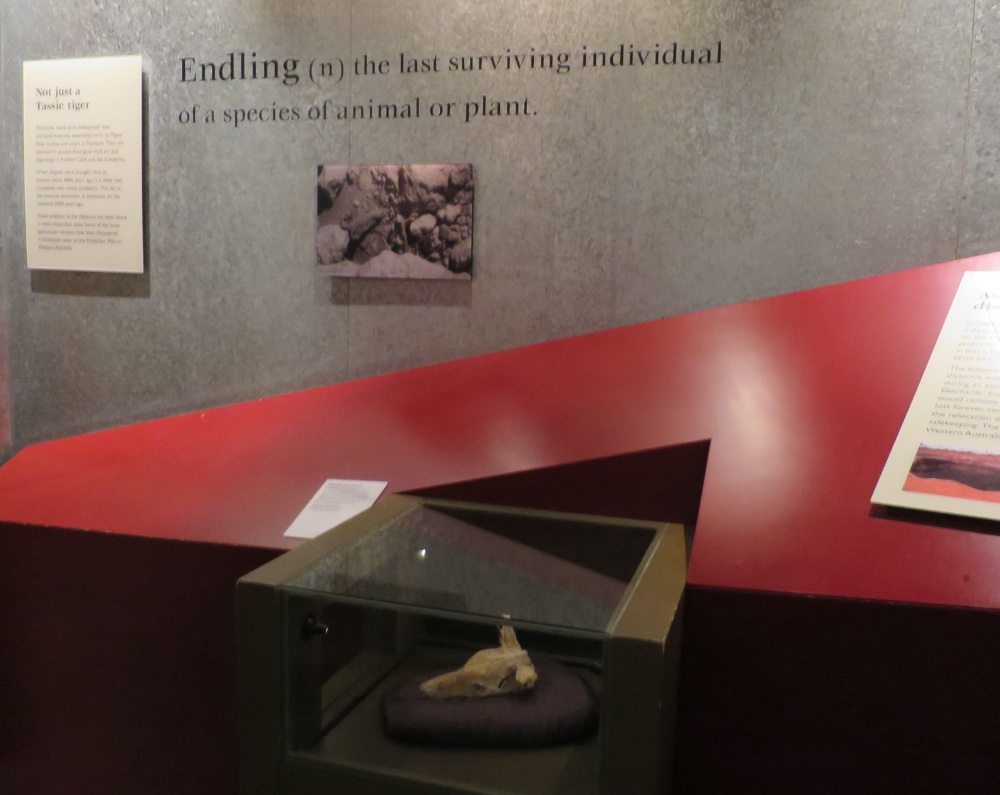
Presence of absence, absence of presence, and extinction narratives

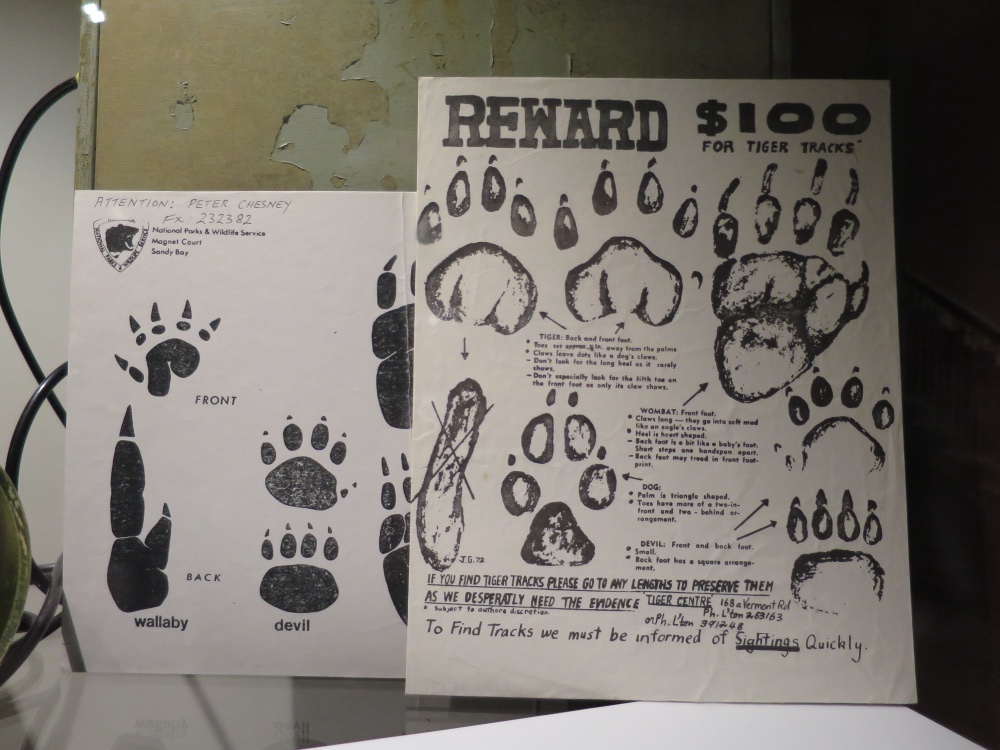
This chapter addresses where two issues – the problem of not seeing at a certain time and the idea of a static nature over time – converge in two historical searches for the last: the European beaver (Castor fiber) in Sweden at the end of the nineteenth century and the thylacine …

A new place for stories: Blogging as an environmental history research tool

In this chapter I present an experiment: five pseudo-posts about blogging. I call them pseudo-posts because unlike the true online format of a blog, clickable links and embedded visuals are not possible. Yet I’ve tried to simulate the reading of a blog through indicated links (they are underlined and you …

Back to Top