beaver
-
The hidden reintroduction
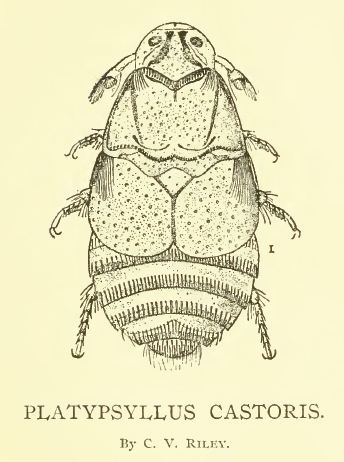
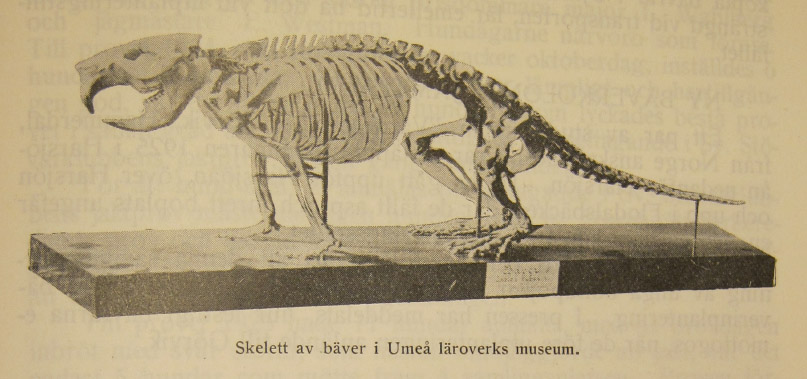
I recently discovered the letterhead of P.M. Jensen Tveit of Aamli, Norway, in the archives of the Natural History Museum, London. It appears that Jensen Tveit contacted the museum in the 1920s to sell beaver specimens to them. He had also contacted Skansen’s zoological division about the same time. But what Jensen Tveit was selling according to the letterhead is fascinating: Living beaver (Castor fiber) for release and for zoological gardens, stuffed beavers, craniums, beaver beetles (Platypsyllus castoris), as well as skeletons and spirits for use as teaching materials What caught my eye was beaver beetles. I expected all kinds of beavers living and dead, but beaver beetles? What were those? And why…
-
Kobras and national stories
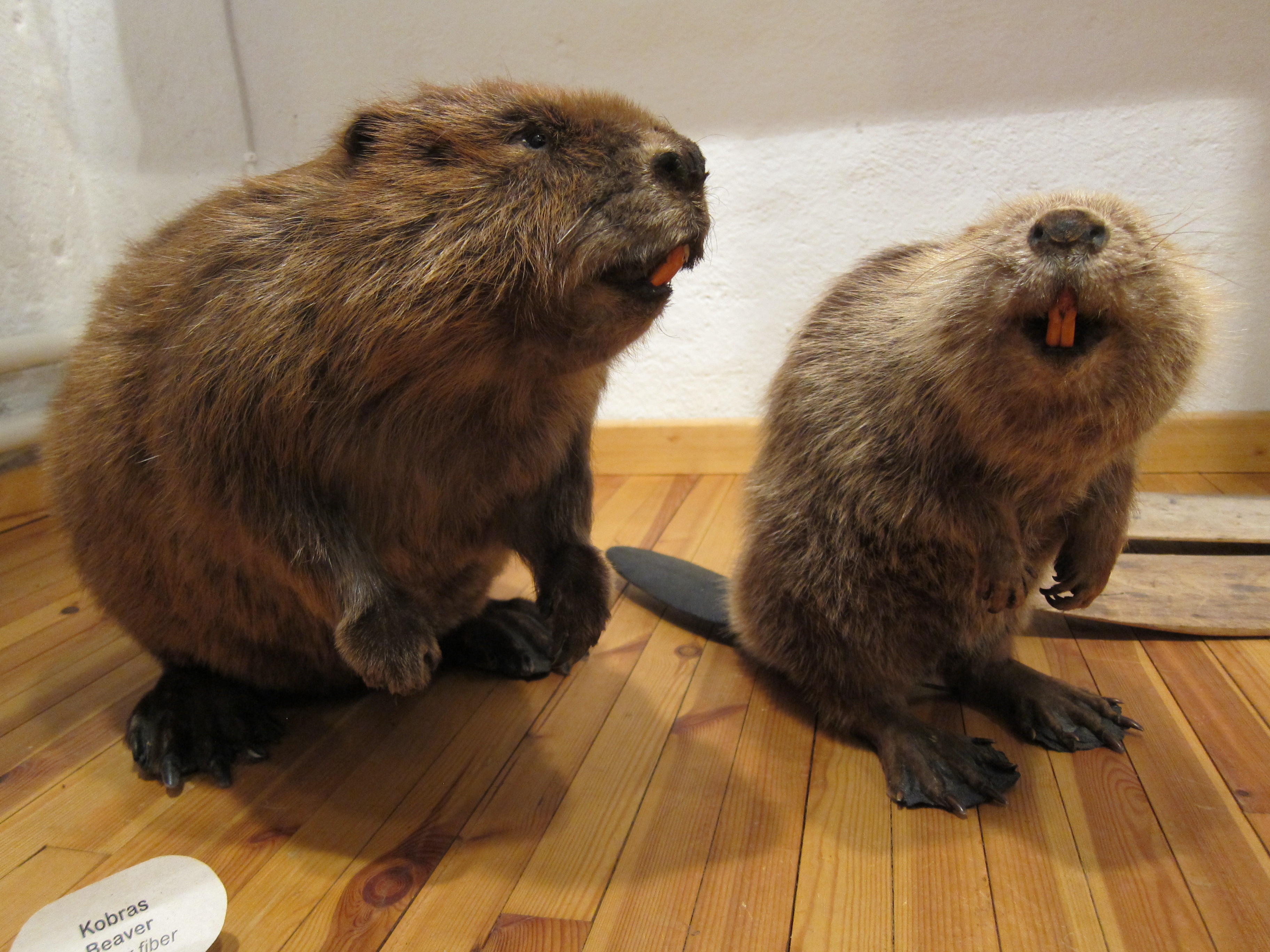
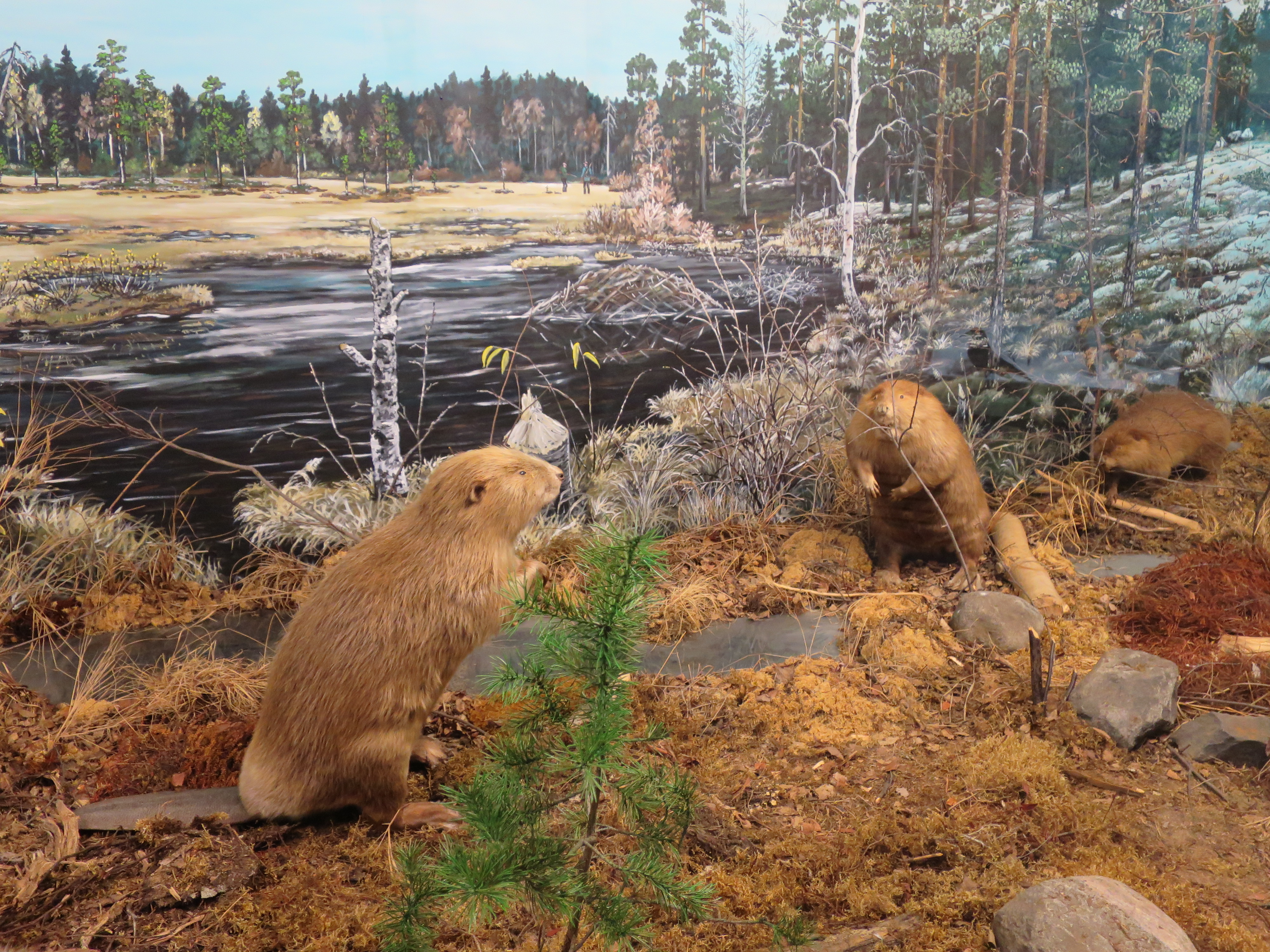
I was reminded yesterday during a visit the Sagadi Forest Museum, part of the Estonian State Forest Management Centre, that beaver reintroduction has a wide and long Europe history. The museum — which had a wonderfully designed gallery featuring videos, modern & historical photography, and artefacts set within tree trunks that made it feel like you were walking through a forest — integrated beavers (kobras in Estonian) in several places. A pair of stuffed beavers gaze at each other and their handiwork in one section of the exhibit about the Estonian forest ecosystem. Beavers were featured in the displays about aspens, willows, and hazel as consumers of twigs and barks from those trees.…
-
The narrow passage
Tomorrow (22 March 2013), I’m going to give a conference paper at the History of Technology and Science Days 2013 being held in Umeå. My talk puts a theoretical spin on the history of beavers at the zoological garden at Skansen. I’m going to frame the activities at Skansen as an obligatory passage point for the beaver’s return to Sweden. Those familiar with Science and Technology Studies (STS) will be very familiar with obligatory passage points. For those who aren’t, an obligatory passage point is a necessary element in the formation of a network of actors and the program of action they undertake. As discussed by Michael Callon in his work on…
-
The empty stall
“Man saknar inte kon, förrän båset är tomt.” (You don’t miss the cow until the stall is empty.) In an article from 1929 on Sweden’s beaver reintroduction projects, the author Erik Geete quoted this traditional Swedish saying. With it, he wanted to explain why nothing had been done to reverse the decline of beaver populations. In his opinion, data was scarce and thorough investigations even rarer; while hunting manuals of the 1800s noted that beaver appeared less often than before, the extent of the decline was not recognized. This view isn’t entirely correct. Back in 1756, Nils Gissler remarked that in the past hunters in Sweden had known not to…
-
A beaver is a beaver is a beaver
I’ve been working on piecing together the involvement of the Skansen zoological garden, Stockholm, in the beaver reintroduction effort. Thus last week I spent some time in the archives to gather more information, as I mentioned in my last post. Skansen was intended as a Swedish cultural heritage collection and when it opened in 1891, animals related to Sami culture in northern Sweden–reindeer and sled dogs–were included in the display. The zoological collection grew rapidly and focused on Nordic animals, specifically Sweden, as the Director Alarik Behm wrote in the Skansen Zoological Garden Short Guide for Visitors, “giving first priority to get our own country’s fauna represented as completely as possible.” So…
-
Hunters as godfathers
I’ll be going to Stockholm in mid-February for a day-long seminar on “Wildlife and Wildlife Management History”. I signed up give a short oral presentation on the role of hunters and hunting associations in my beaver reintroduction story, so I’ve been spending time lately examining that aspect. I decided to start with some web searches for what environmental historians have written about hunters and hunting associations. I thought I’d find plenty of material. On the contrary, I found a surprising dearth of scholarship. Not that there’s not lots of scholarship on hunting per se and on hunting history — but I wanted something specifically framed as environmental history. I found…
-
In life or death
Although reintroduction is about bringing a species back, some individual animals never make it to their destination. Take the first three beavers bought by Västerbottens läns jaktvårdsförening (County wildlife management association) to reintroduce in the Tärnaån. Their first beaver, a female, was bought for 123 kr (about 3000 kr / $500 today) on 15 February 1923 and taken to Skansen for overwintering. It got enteritis (inflammation of the small intestine) and died in the spring. On 18 October that year, a beaver pair was bought for 800 kr (check out that price escalation!) and again taken to Skansen. They were infected with some kind of “plague” by a hare recently…
-
A slower time
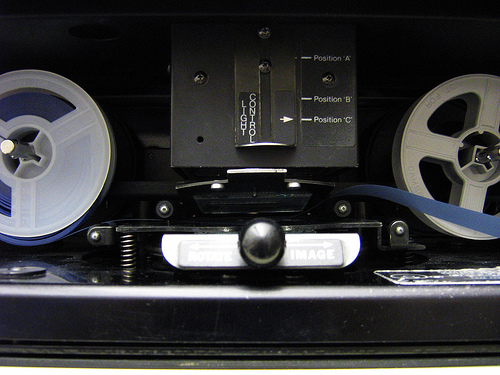
Yesterday, I spent some hours behind a microfilm reader in the basement of the Umeå University Library. Forward-forward-forward-back-zoom-focus-print. Then repeat. This is the only way to read local papers from northern Sweden from the 1920s when the first beaver reintroductions took place. It was old-school historical research that took time. It really made me wish they were digitized like the papers from southern Sweden (where the vast majority of people live), which are available via a National Library database, and thus searchable. So I got to thinking about time and our experience of it versus the people involved in reintroducing animals in the early 1900s. I get frustrated if I can’t…
-
Can success lead to failure?
Robert Lambert asked an interesting question in his contribution to the Invasive and Introduced Plants and Animals book I’ve been reading: “Will the returned native ‘aliens’ become so abundant, so commonplace, so much a part of our cherished urban and rural landscapes, that we will no longer care enough to glance upwards, or queue at a telescope at a long-established public viewing point?” (p.177). He was specifically talking about the success of reintroduced birds of prey in Britain and the potential loss of tourist dollars, but it got me thinking about the beaver in Sweden. After the first reintroduction in Bjurälvdalen, Jämtland, in 1922, reintroductions came fast and furious: 13…
-
Header image choice
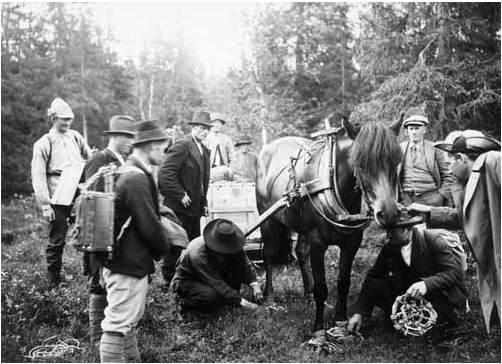
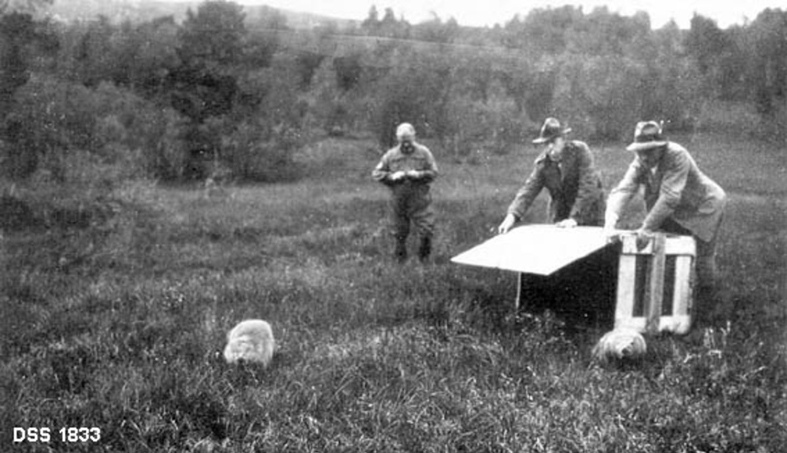
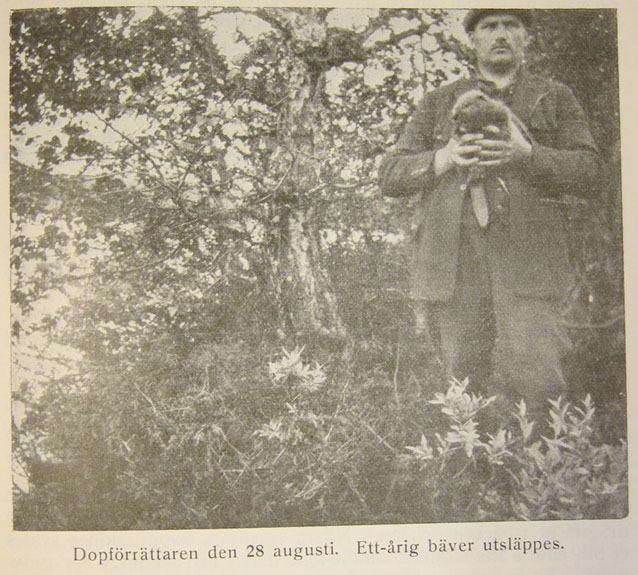
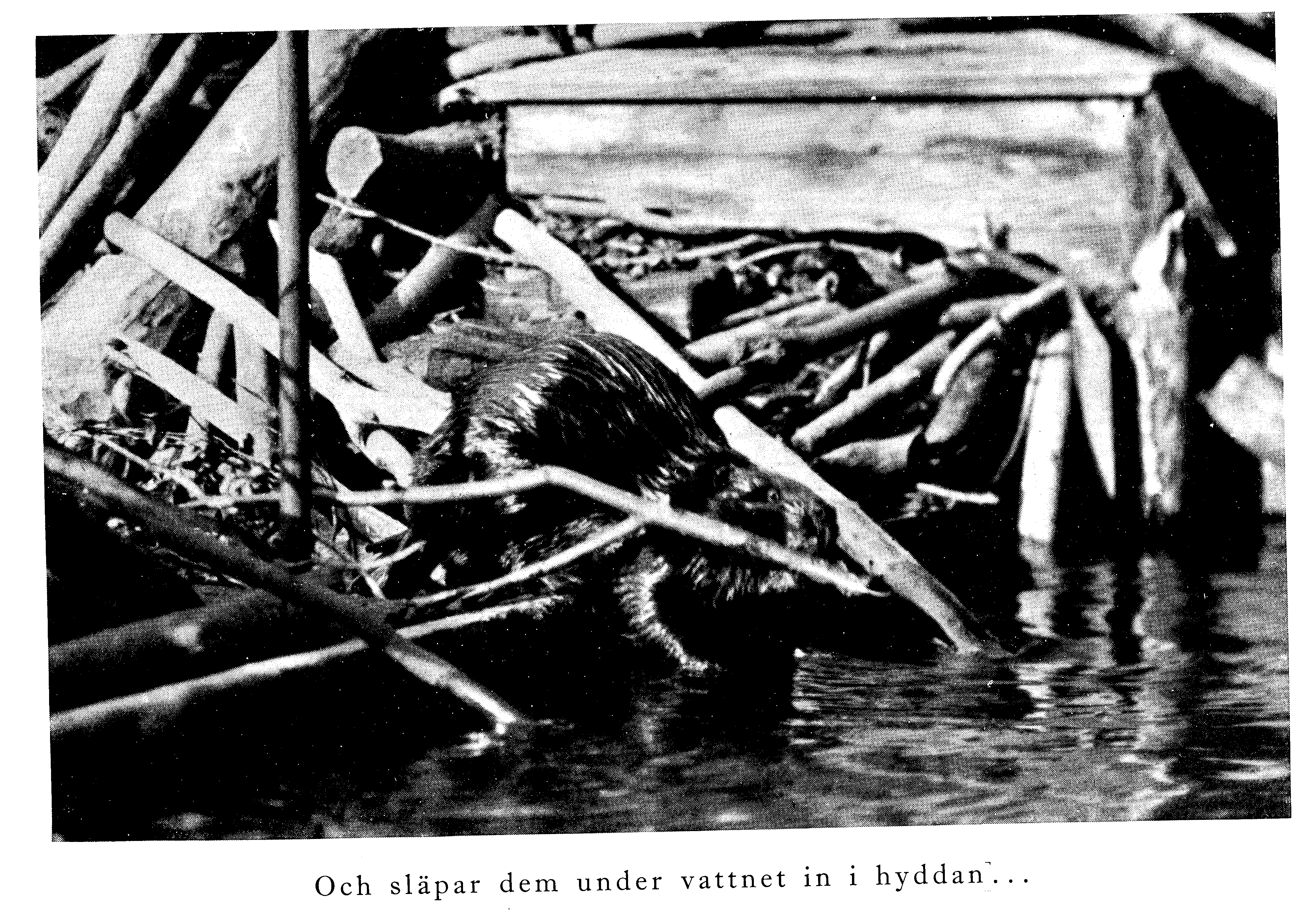
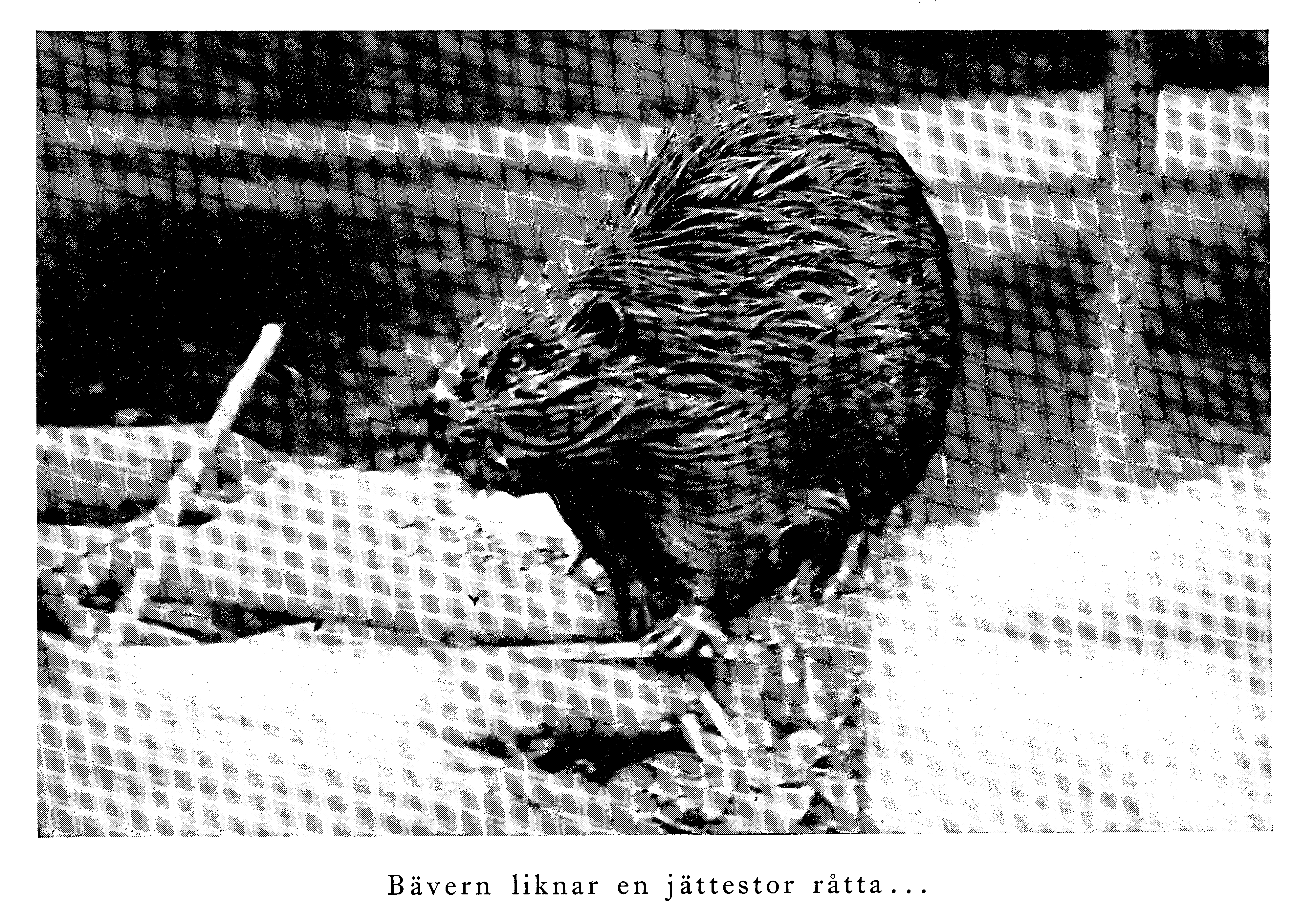
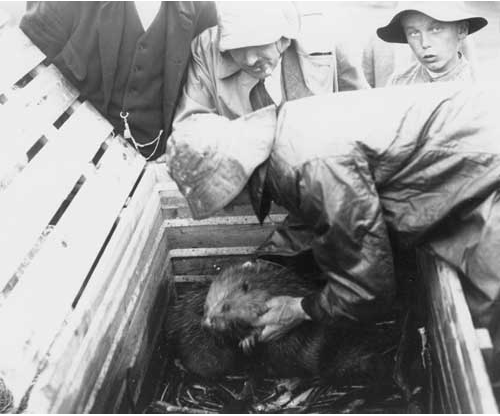
I decided to use one of the pictures of the very first beaver reintroduced to Sweden in 1922 as the initial header image for this blog. This reintroduction project, the first successful and sustained reintroduction of beaver in Europe, is what brought me to investigate nativeness and naturalness through reintroduction. The first pair of beavers brought back to Sweden, which were trapped in Norway in one of the last remaining beaver colonies in that country, were overwintered at Skansen, the first open air museum and zoo in Stockholm. In the summer, the pair made the long journey to Bjurälvdalen in Jämtland county where they were released. A series of photos of…