Displaying Displacement: Exhibiting Extinction in Natural History Museums

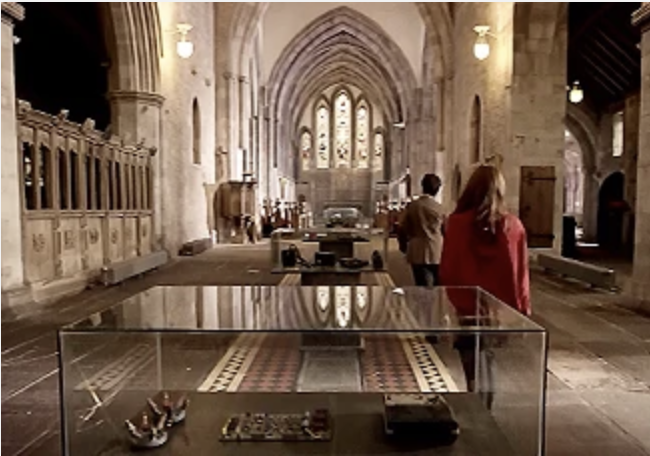
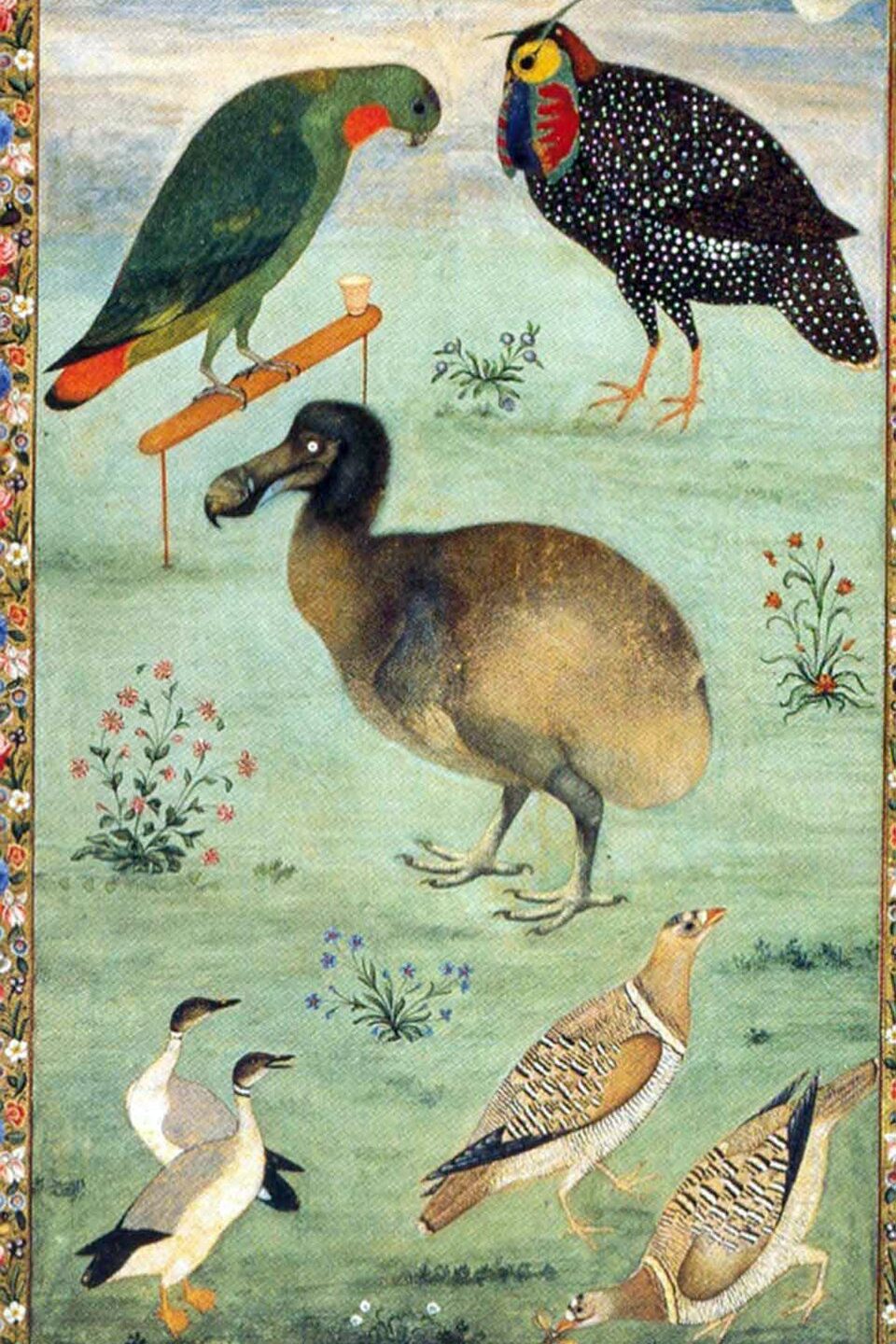
In this chapter I examine two displacements: species extinction and museum exhibition. Building on the idea of liveliness, I argue that both types of displacements displace animals from lively relationships, from history, and from place. I then turn to the intersection of the two displacements in displays of extinct birds …
Resurrecting species through robotics : Animal extinction and deextinction in Do androids dream of electric sheep?

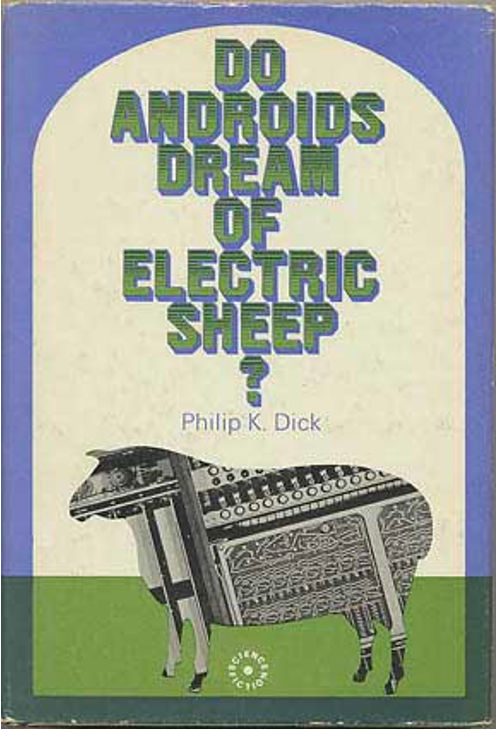
Philip K. Dick’s Do Androids Dream of Electric Sheep? (1968) is often understood as commentary on what it means to be human contra android. Less work has been done on animals in the novel, probably because the animal aspect was downplayed significantly in the movie version Blade Runner (1982), an …

Portraits of Extinction: Encountering Extinction Narratives in Natural History Museums

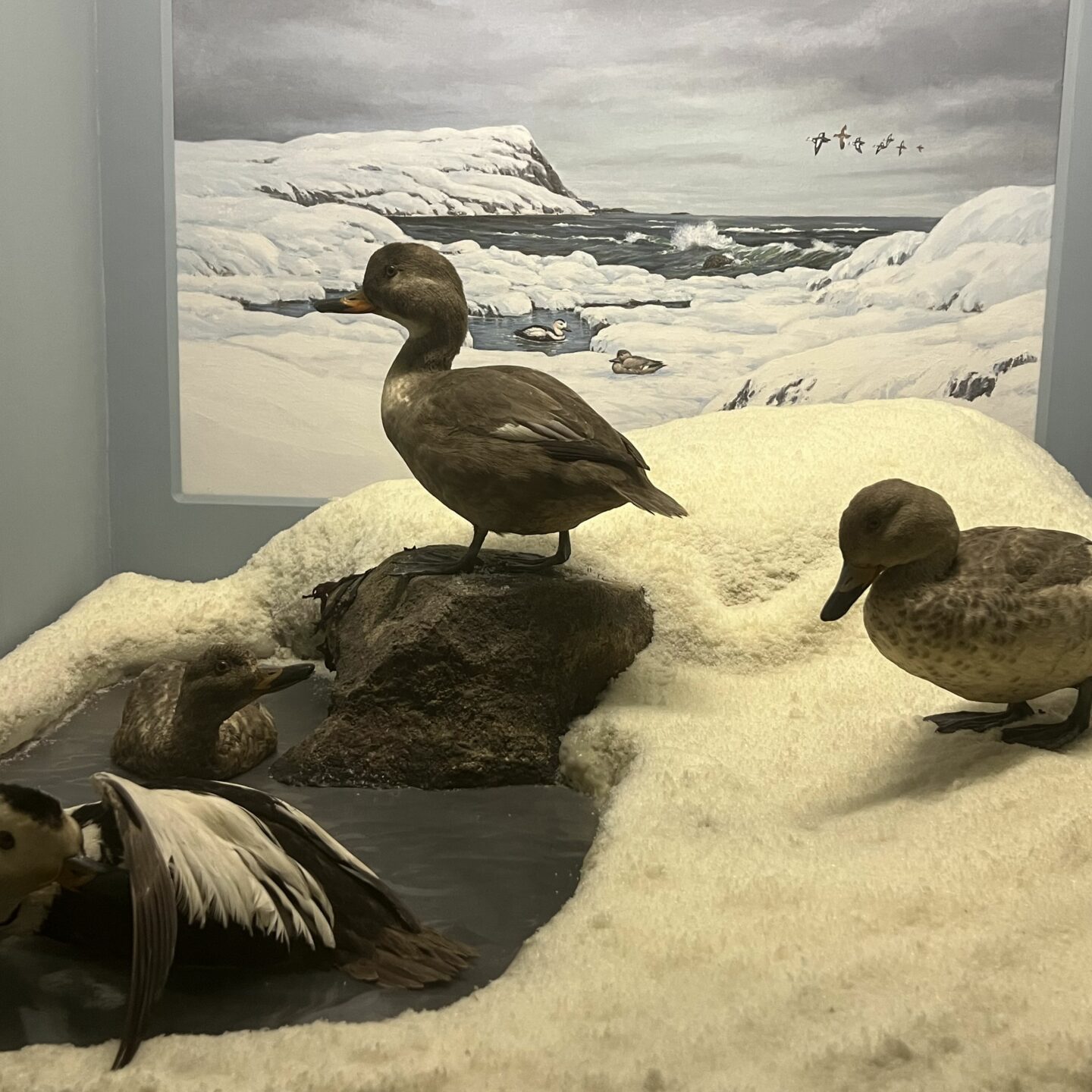
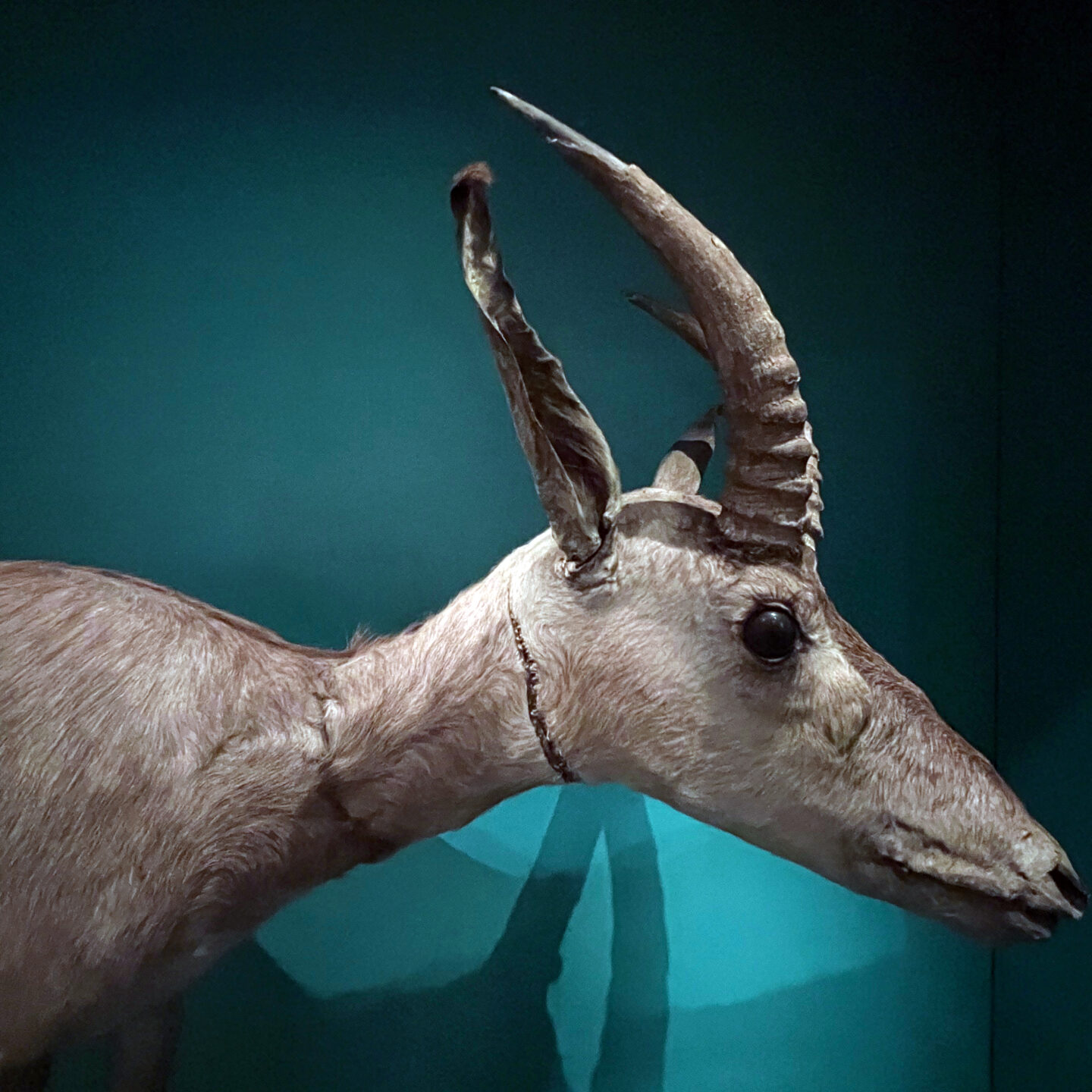
In this chapter I will examine three portraits of the bluebuck, one created by the MNHN in Paris, one by the Naturhistoriska Riksmuseet (NRM) in Stockholm, and one by Naturalis in Leiden to see how animals displayed in the archive of the natural history museum can narrate extinction. The fourth …

Coda on Curation: Thoughts on Science Fiction and Museums

An encounter in a museum—viewing objects in a display case or a wall filled with art—is always an encounter with curation. Science fiction gives insights into the power inherent in the curator’s role. Although curators are scarce in science fiction, one major science fiction character who is deliberately positioned by …

Feelings for nature : Emotions in environmental history

More-than-human environments often evoke highly consequential emotional responses which are always rooted in spatial-temporal contexts. Human emotions have often directly impacted not only on the lives of more-than-human animals living both close-at-hand and in far-flung parts of the world but also on their wider habitats and the natural systems that …

Expanding Eden: Animal discovery and rethinking paradise in Jan Brueghel the Elder’s Garden of Eden

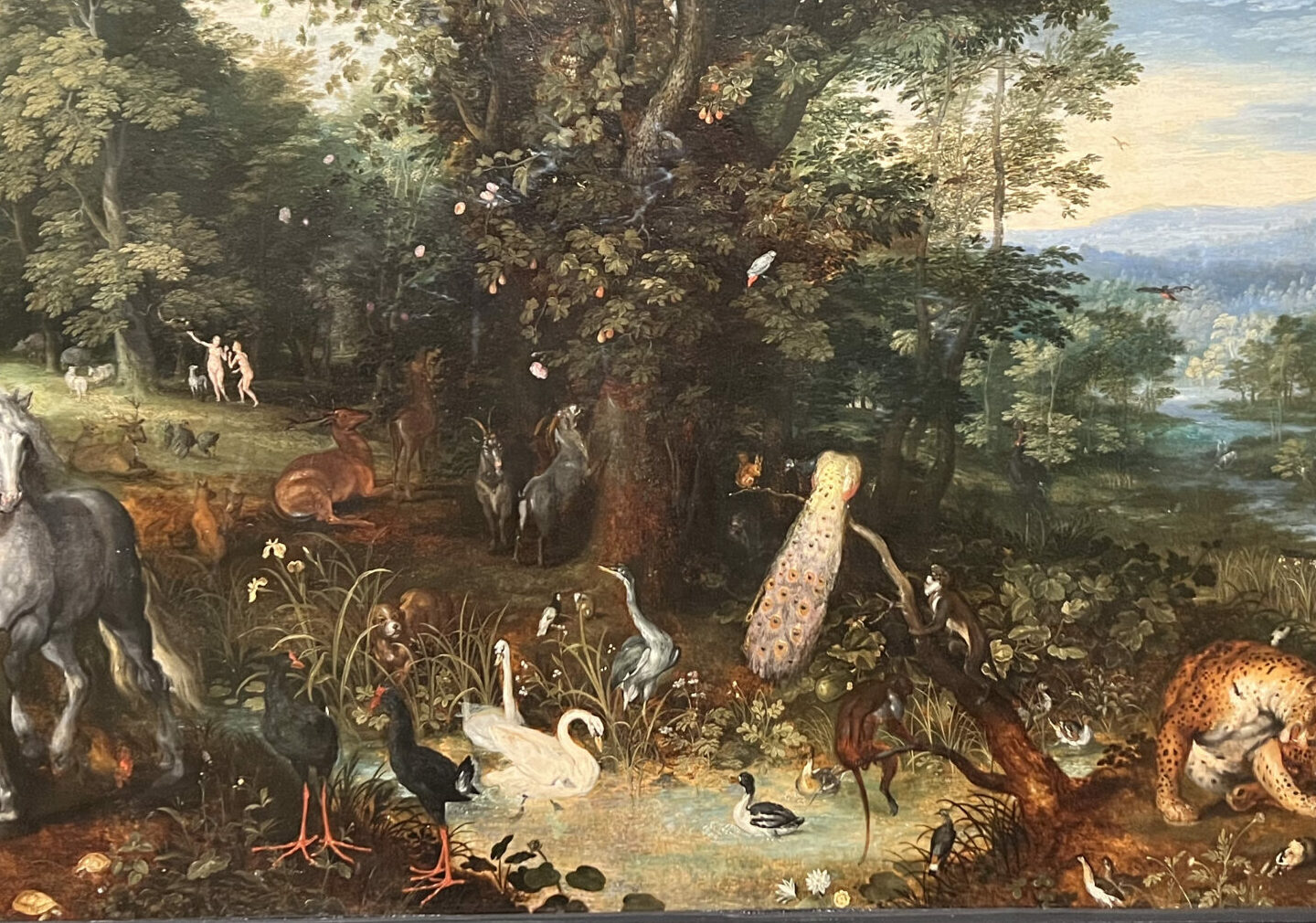
Jan Brueghel the Elder (1568-1625) painted one of the earliest European representations of guinea pigs in his work Garden of Eden (1613). In Brueghel’s creation, newly discovered animals from early explorations of the Americas, including the guinea pig, turkey, and scarlet macaw, are included alongside animals known from Africa, Asia, and Europe. The …

Erasing the extinct: the hunt for Caribbean monk seals and museum collection practices

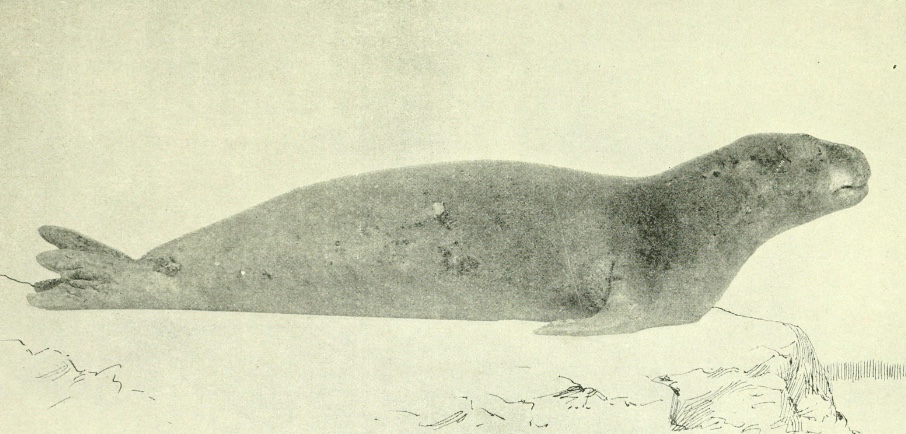
The Caribbean monk seal (Monachus tropicalis), the only seal species native to Central America, was declared extinct in 2008, with the last confirmed sighting in 1952. This species historically had a broad range throughout the gulf of Mexico. This article discusses the history of Western science on the monk seal, …

Museums at home: digital initiatives in response to COVID-19

This review surveys three types of responses to the COVID-19 pandemic, from attempts to replicate the museum visit experience, to alternative replacements making use of online platforms, to initiatives that envision radically different relationships to their audiences. The selection is not intended to be representative, but instead draws into dialogue …

Back to Top