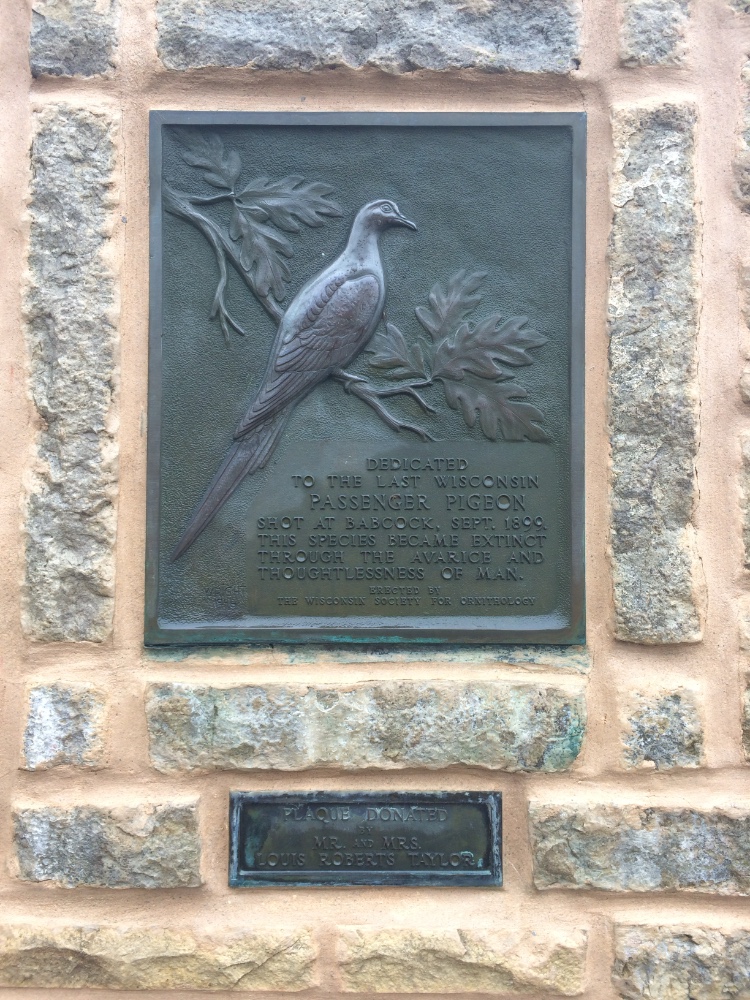
After none: Memorialising animal species extinction through monuments

This article is the last chapter in the book Animals Count which looks at the ways in which the size of an animal population impacts how they are viewed by humans and, conversely, how human perceptions of populations impact animals. This chapter examines the role of monuments in remembering species that …
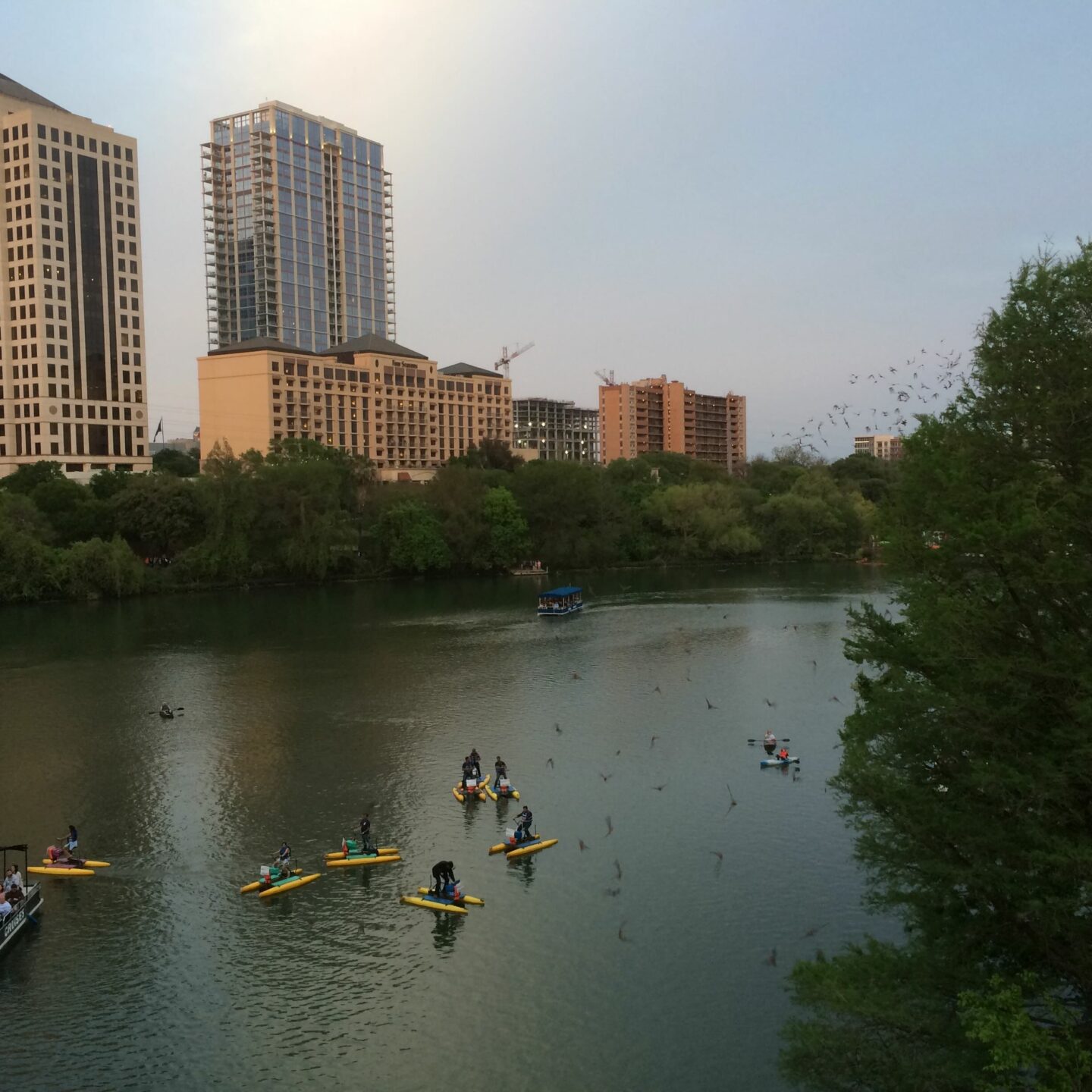
Backyard birds & human-made bat houses: Domiciles of the wild in 19th and 20th century cities

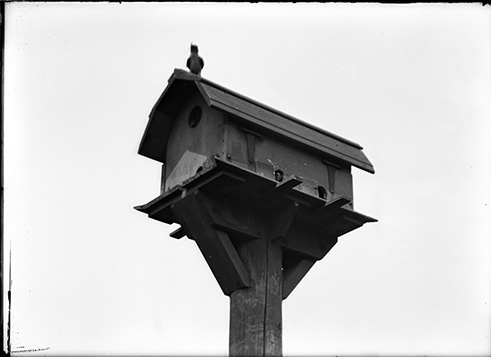
Abstract: In this article, apply the broader STS concept of domestication to an investigation of urban animals: How are urban animals domesticated in the sense of finding a place within the infrastructure of a city? How do the animals themselves domesticate human technology in order to make their own domus? …

Competing ideas of ‘natural’ in a dam removal controversy

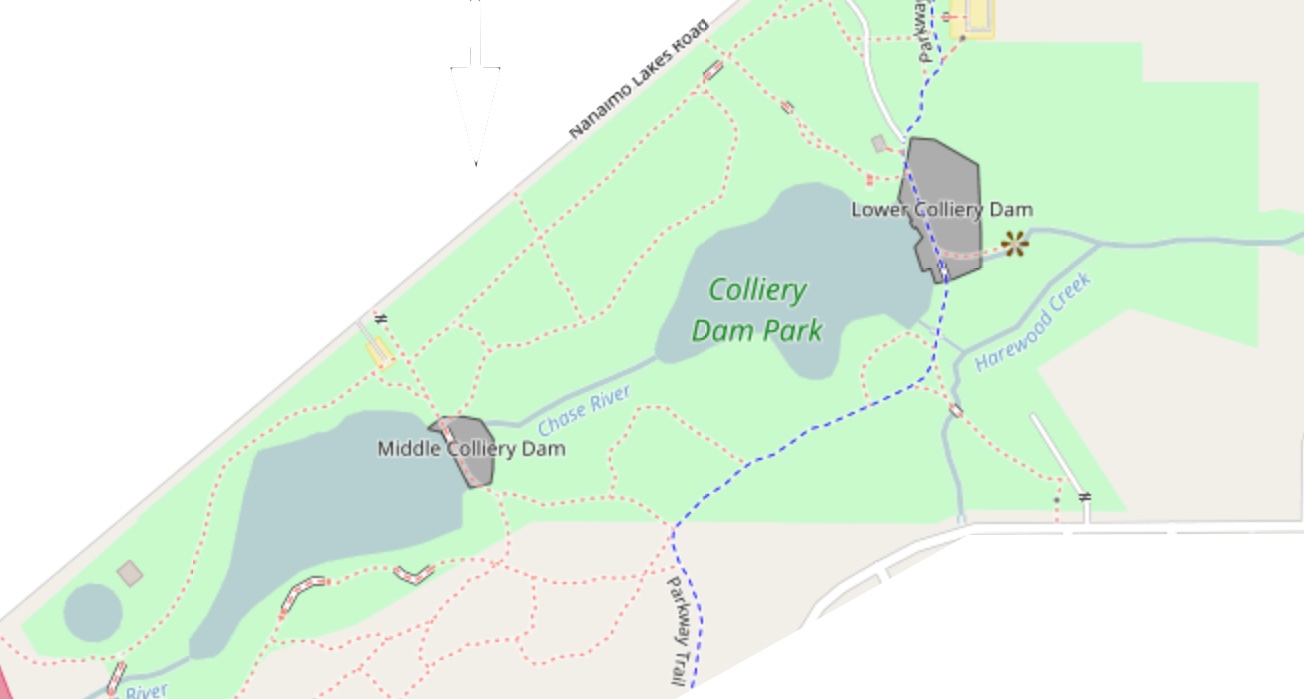
In spite of general support for removal of dam structures within the ecological sciences community, local residents sometimes contest dam removals. This article examines the competing ideas of ‘natural’ and ‘nature’ that may surface in a dam removal controversy. Using the conflict of the Colliery dams of Nanaimo in northwestern …

Anthropocene Animals

I held a public talk called “Anthropocene Animals: How humans are changing the planet and its inhabitants” at the Bildmuseet in Umeå, Sweden, in September 2016. The lecture was held in conjunction with the opening of the Perpetual Uncertainty exhibit about the nuclear age. You can see it here: https://vimeo.com/187611816

Back to Top