Presence of absence, absence of presence, and extinction narratives

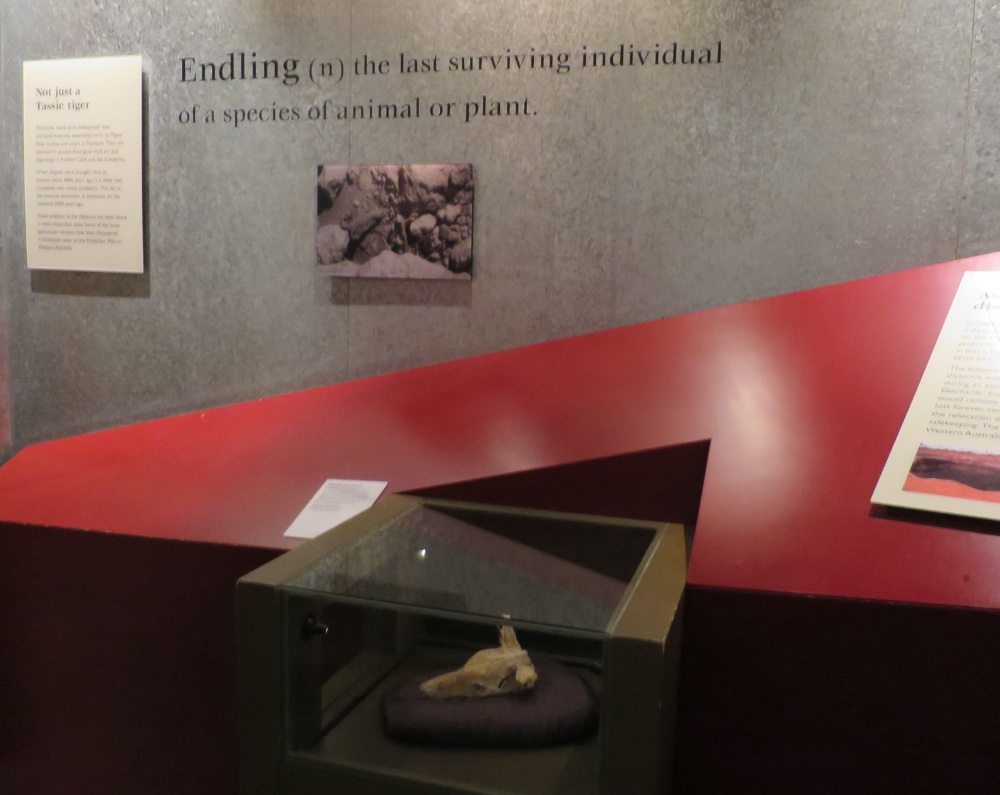
This chapter addresses where two issues – the problem of not seeing at a certain time and the idea of a static nature over time – converge in two historical searches for the last: the European beaver (Castor fiber) in Sweden at the end of the nineteenth century and the thylacine …

A new place for stories: Blogging as an environmental history research tool

In this chapter I present an experiment: five pseudo-posts about blogging. I call them pseudo-posts because unlike the true online format of a blog, clickable links and embedded visuals are not possible. Yet I’ve tried to simulate the reading of a blog through indicated links (they are underlined and you …

Forest‒Stream Linkages, Anthropogenic Stressors and Climate Change: Implications for Restoration Planning

The global extraction of forest and water resources has led to habitat degradation, biodiversity loss, and declines in ecosystem services. As a consequence, ecological restoration has become a global priority. Restoration efforts to offset this trend, however, are not always effective. One reason is that many restoration projects target single …

The Anthropocene as a History of Technology

This exhibit review discusses the Welcome to the Anthropocene: The Earth in Our Hands exhibit at the Deutsches Museum, Munich, within the context of how history of technology should engage with the Anthropocene concept. We argue that technology is the linchpin in the Anthropocene as an idea, and thus historians and museums of technology need …

Animals as instruments of Norwegian imperial authority in the interwar Arctic

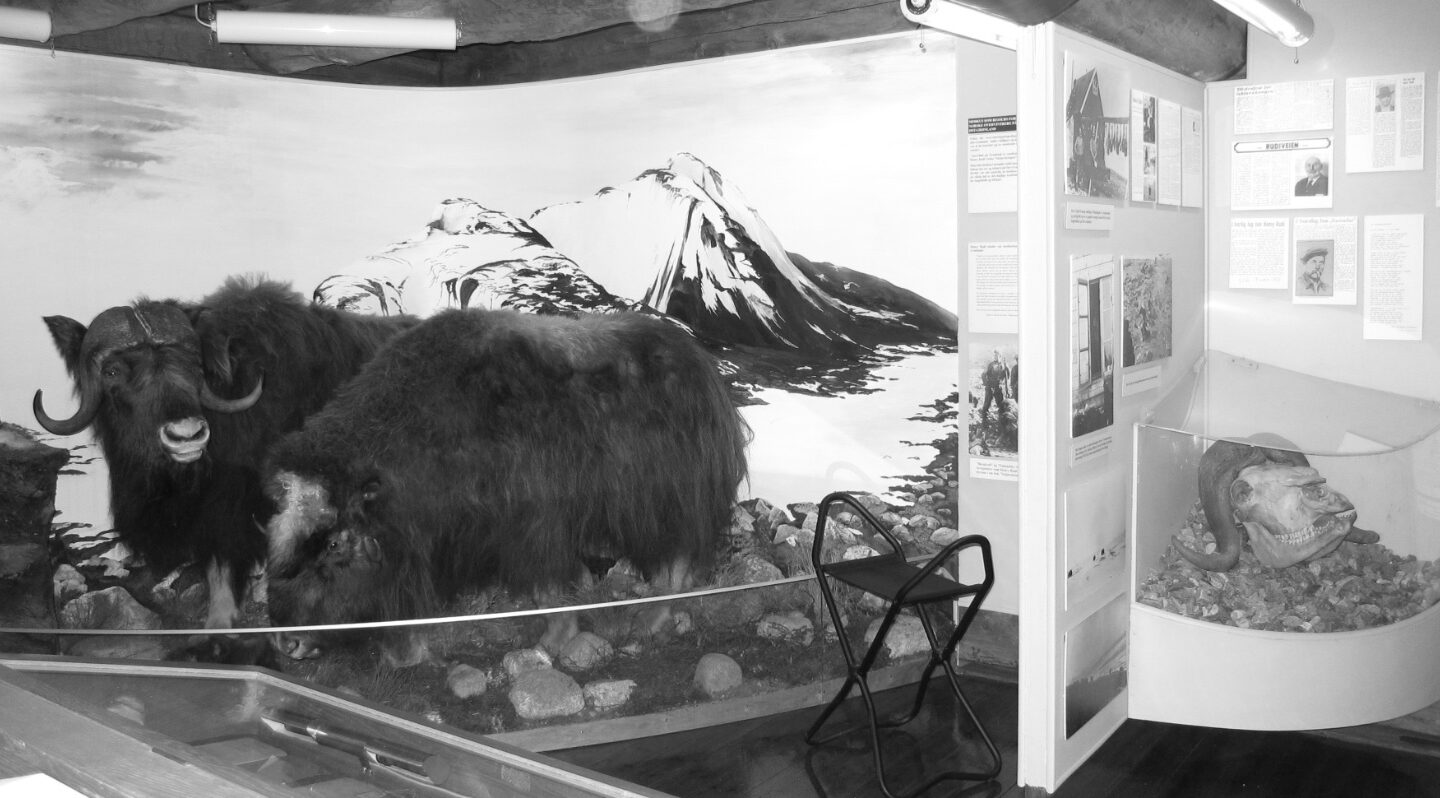
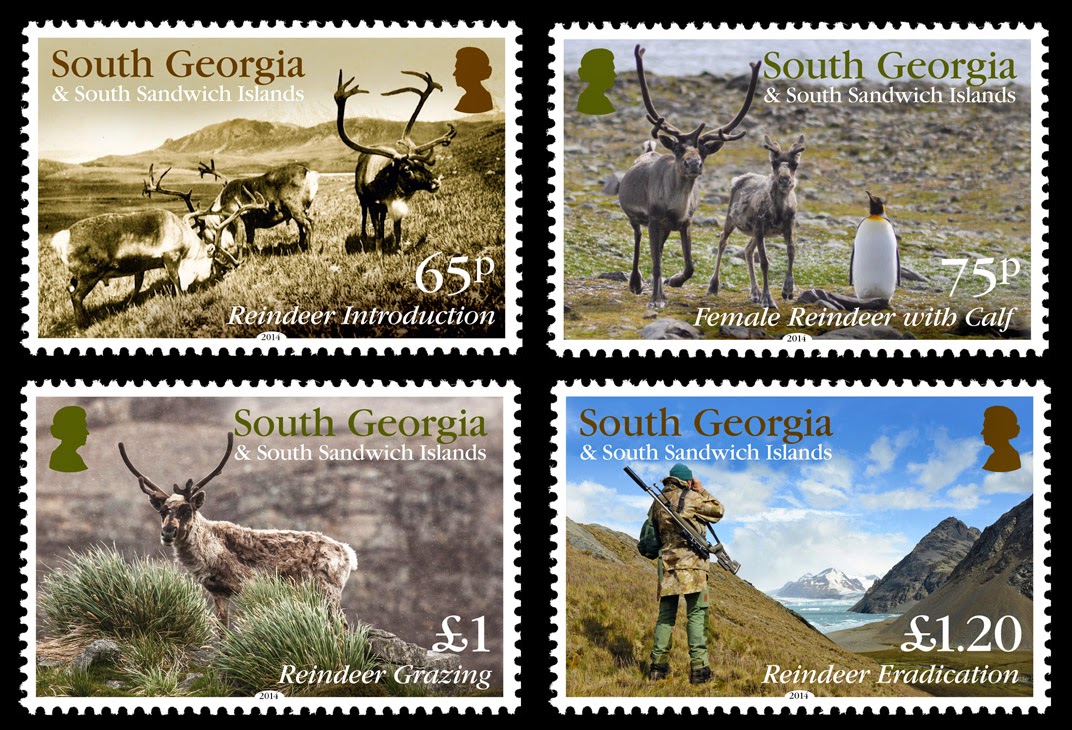
During the first half of the twentieth century a number of individuals in Norway participated in the transfer of animals from both the Arctic to the Antarctic regions and vice versa. These projects may be conceptualized as a form of imperial acclimatization, following in the footsteps of earlier attempts to …

Forest restoration to attract a putative umbrella species, the white-backed woodpecker, benefited saproxylic beetles

David Bell, Joakim Hjältén, Christer Nilsson, Dolly Jørgensen, Therese Johansson Ecosphere 6, no. 12: [online]. DOI: 10.1890/ES14-00551.1  [Open Access] Umbrella species are often spatially demanding and have limited ability to adapt to environmental changes induced by human land-use. This makes them vulnerable to human encroachment. In Sweden, broadleaved trees are disadvantaged by forestry, and commercially managed …

Ecological restoration as objective, target and tool in international biodiversity policy

Ecological restoration as objective, target and tool in international biodiversity policy. Ecology and Society 20, no. 2 (2015):43. http://dx.doi.org/10.5751/ES-08149-200443 [Open Access] Ecological restoration has been mainstreamed in international biodiversity policies in the last five years. I analyze statements about restoration in three international policies: the Convention for Biodiversity Strategic Plan 2011-2020 and …

Back to Top