-
The Meat Question
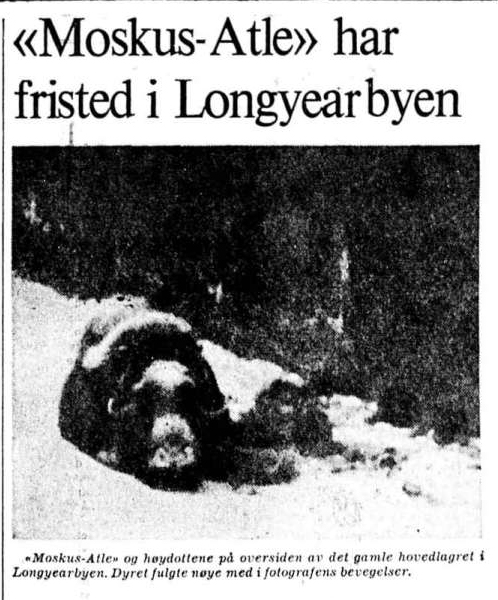
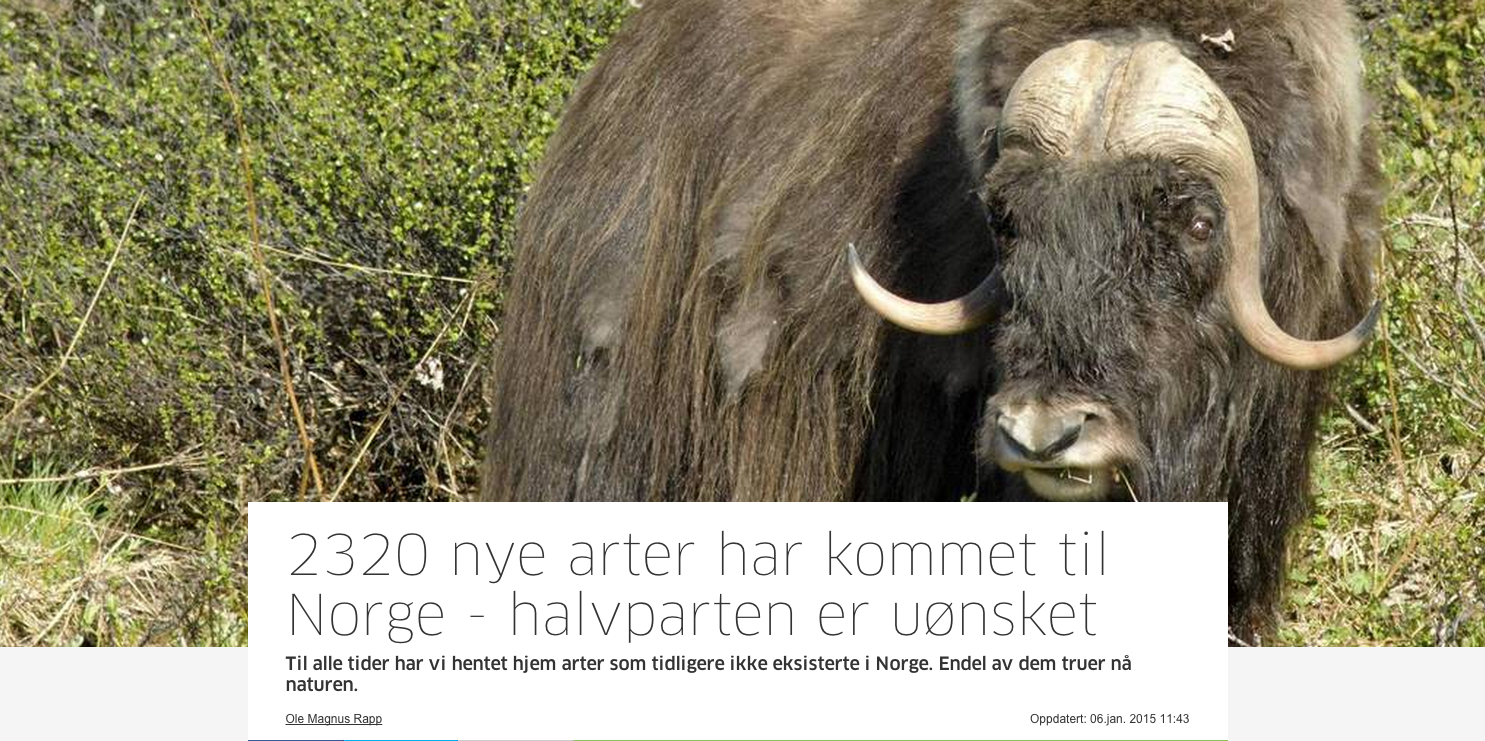
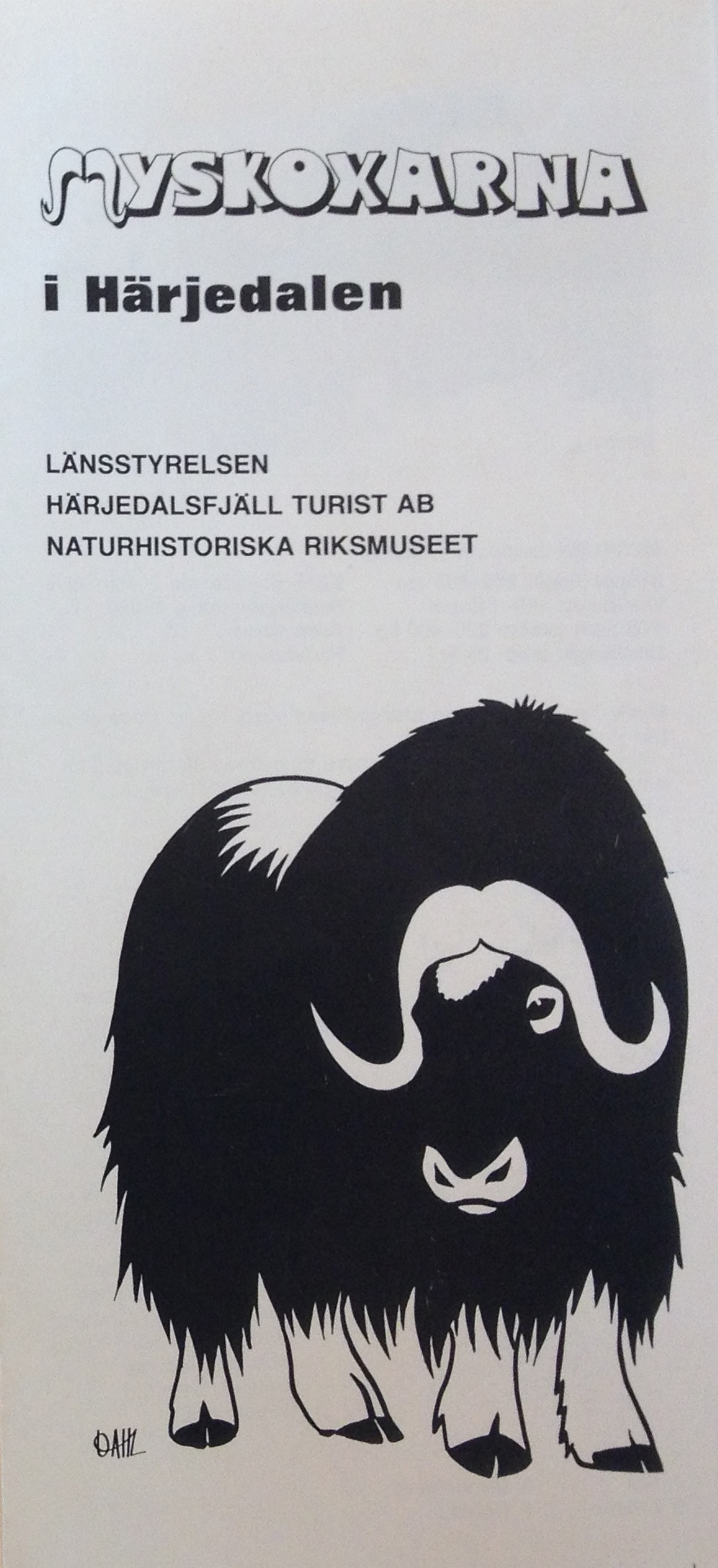
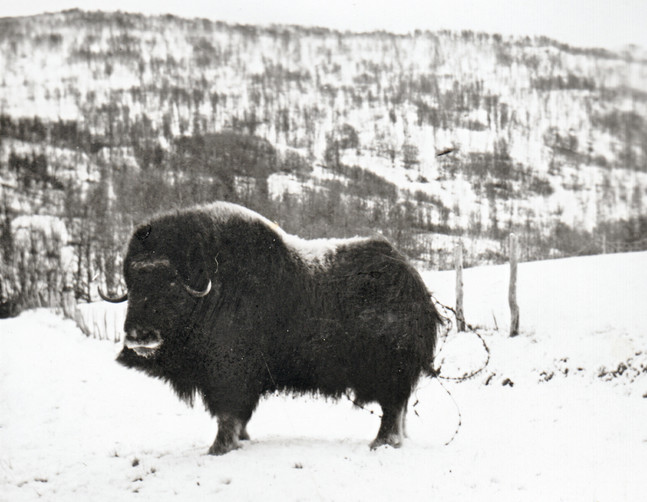
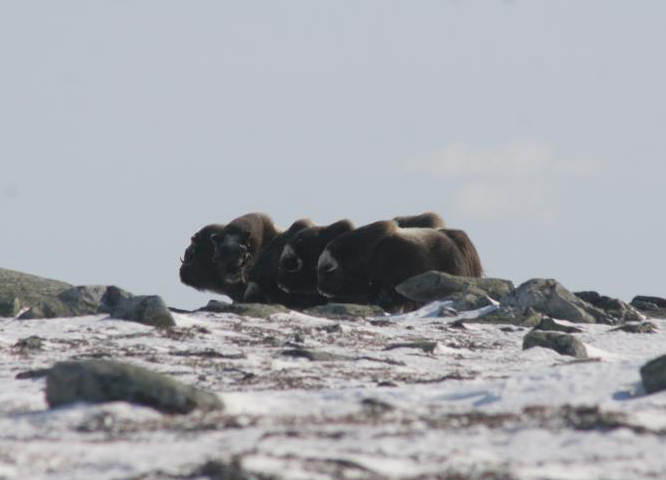
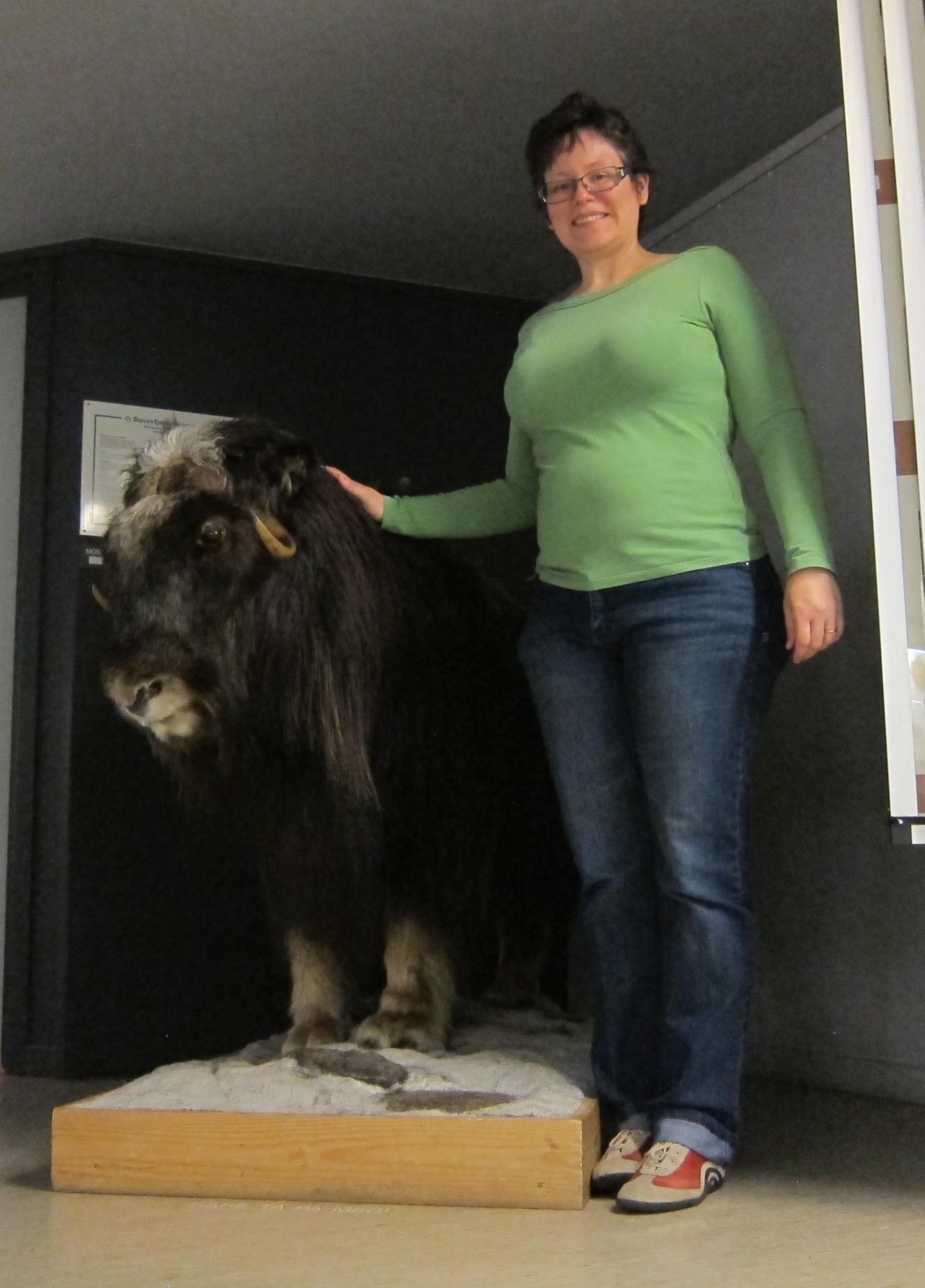
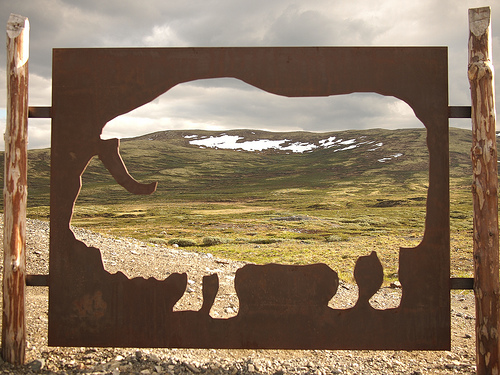
Today I’m giving a talk in the Anthropology series at University of Aberdeen. The project ArcticDomus hosted at the department was interested in my research on muskoxen because of their own explorations of domestication within human and animal relations in the north. The first part of my talk focuses on the earliest movement of muskoxen to Norway. The first place that muskoxen were let loose was on Svalbard in 1929. This was no random choice. Svalbard, half way between continental Norway and the North Pole, had been an early modern whaling station, but activity really picked up at the beginning of the 20th century when industrial coal mining started. Longyearbyen on the…
-
When did beaver become non-native in England?
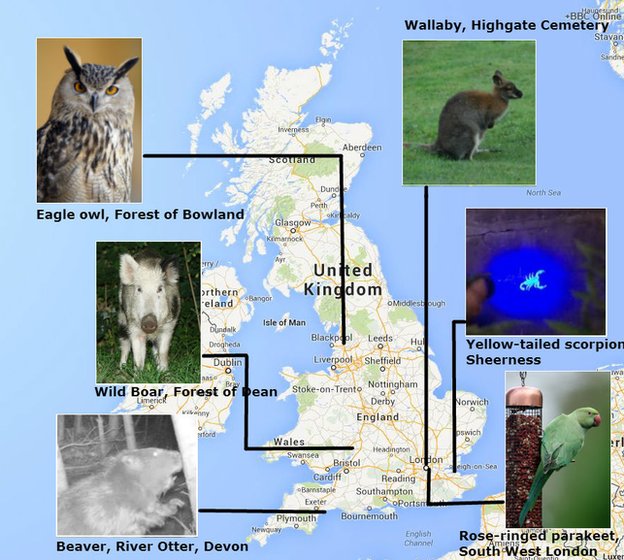
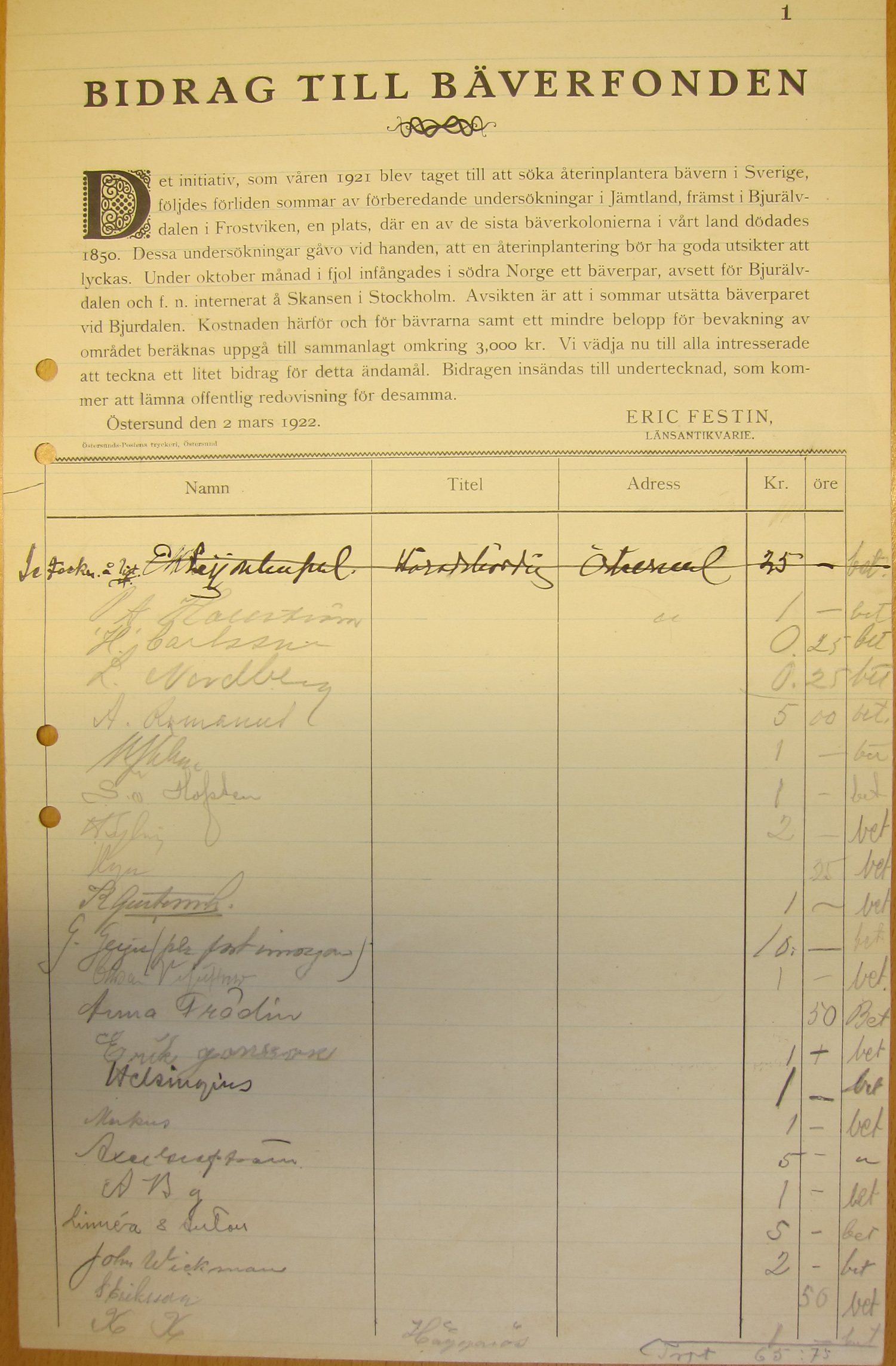
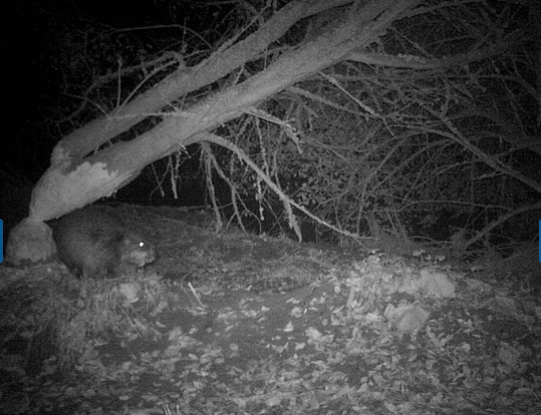
BBC recently ran an article ‘Aliens among us: What strange species are making England home?’ It starts with some pretty obvious introductions of species from outside of England: terrapins, Aesculapian snakes, and North American skunks, But then it gets interesting. In the section ‘Settling In’, it says ‘dozens of non-native species are already successfully breeding in Britain’ then follows with a bulleted list that includes: – Beavers have started breeding in the River Otter in Devon after being reintroduced. They were a common sight 400 years ago but were hunted to extinction. – Another species doing well after reintroduction is the wild boar – there are thought to be more than 800…
-
Election day
It’s election day in Sweden. Elections for the parliament (Riksdag), county councils and municipal councils happen every four years, so it’s an important day in shaping the near future of Swedish society. As someone with foreign citizenship who has lived in Sweden more than 3 years, I am eligible to vote in the county and municipal elections, but not for the Riksdag. In fact, the only people who can vote in the Riksdag elections are Swedish citizens over the age of 18. It doesn’t matter how long you’ve lived in Sweden–if you’re not a citizen, you have no say in the national government. Interestingly, this is very different from who is eligible…
-
A political object
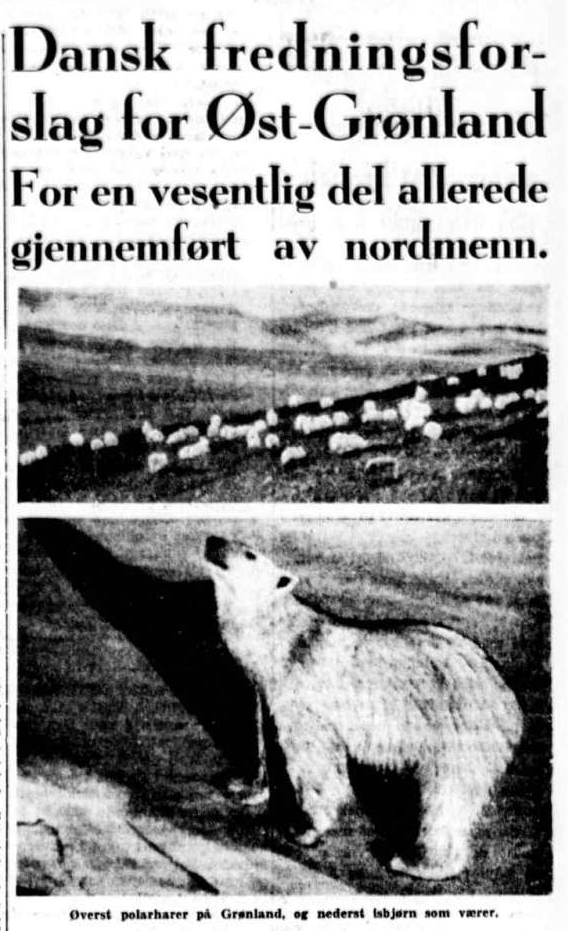
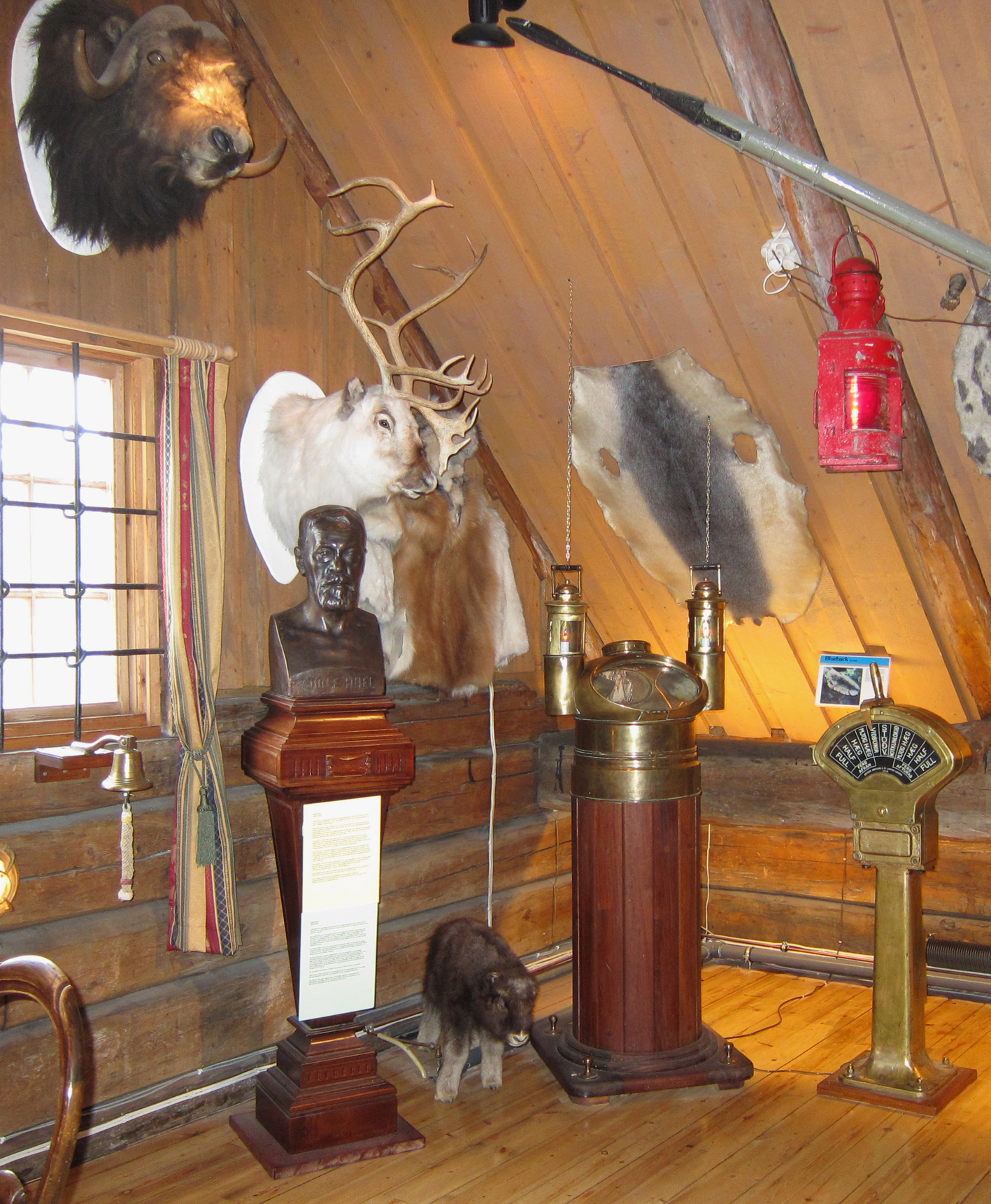
Last week Tina Adcock, environmental historian at Simon Fraser University (Canada), had a series of tweets about muskoxen she was discovering in some Canadian documents: This, of course, got me thinking about why muskoxen garnered political attention in Scandinavia in the early 20th century. One of the reasons Adolf Hoel gave for bringing muskox to Norway was to smooth over political troubles with Denmark. Norway and Denmark were arguing about control of Greenland. In 1814, the Treaty of Kiel required Denmark to cede Norway to Sweden, but Denmark retained all other territories including Greenland. When Norway became an independent nation in 1905 (free from Swedish rule), Norwegian officials started discussing whether or…
-
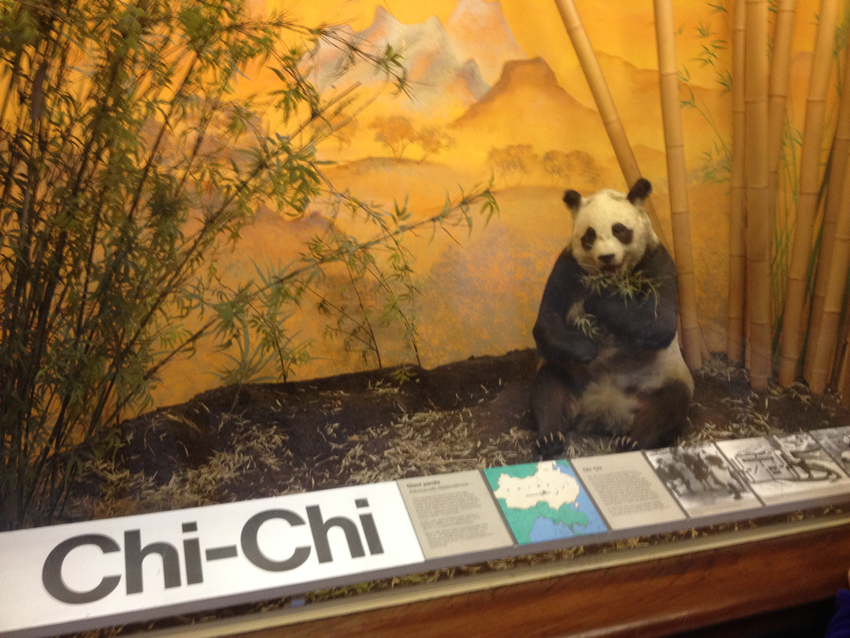
Giving names to give stories
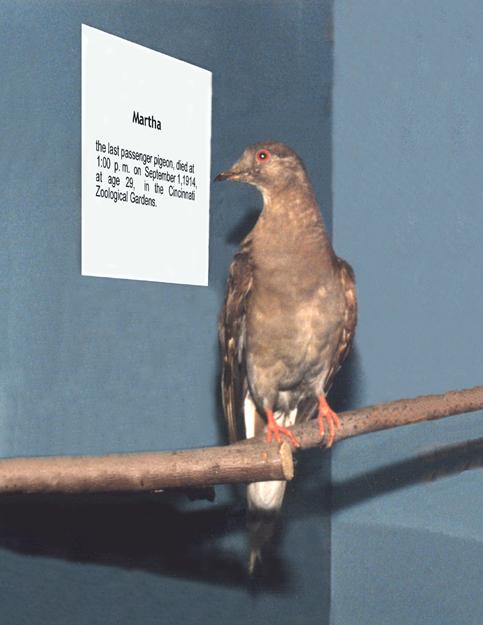
Today is a special anniversary. On September 1, 1914, the last of a species died in captivity in the Cincinnati Zoo. As we mark the 100th year anniversary of the passing of Martha the passenger pigeon, there has been an outpouring of press coverage of the bird’s extinction. The Smithsonian has a special exhibit featuring Martha’s taxidermied remains and there are a slew of other museums having passenger pigeon exhibits. There is a film From Billions to None, a web-based project, and a brand new book A Message from Martha all dedicated to sharing the extinction story as a way promoting a sustainable future. Martha even has her own twitter account @MarthathePigeon (which is…
-
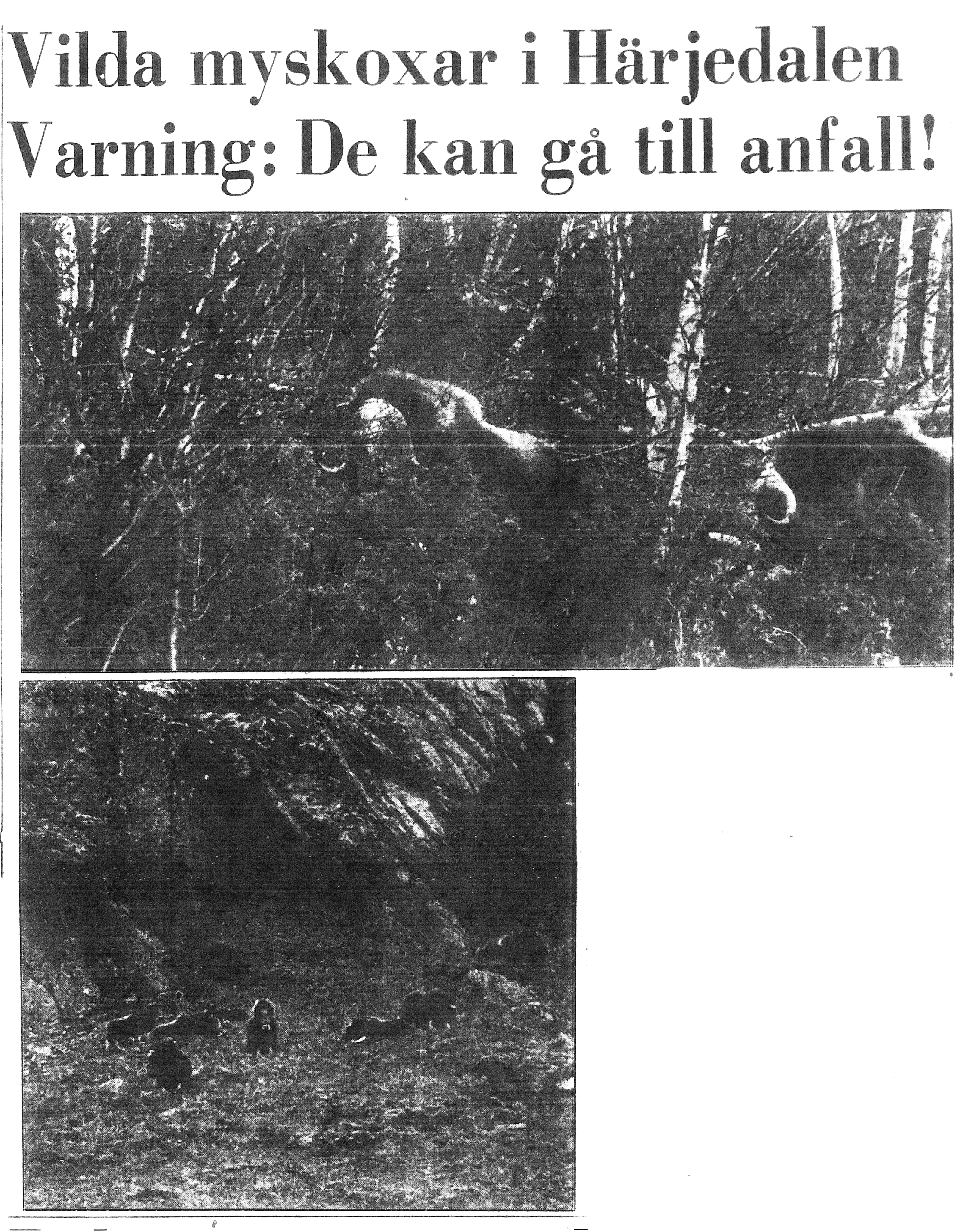
Disloyal muskoxen
In August 1948, 10 yearling muskoxen were taken to Bardufoss in Northern Norway for release into the wild. Two of them apparently died shortly after arrival, but the others made themselves at home in the area around Bardufoss. The Norwegian Polar Institute (Norsk Polarinstitutt) had been convinced to release the calves there by Colonel Ole Reistad, who had led the Bardufoss Air Station forces against the Germans when they invaded in 1940 and became the commander of the Air Station after the war. Reistad died at the end of 1949 and as of July 1950, NP had heard nothing about the calves whereabouts since his death. The NP director A. Orvin wrote…
-
When the past obscures the past
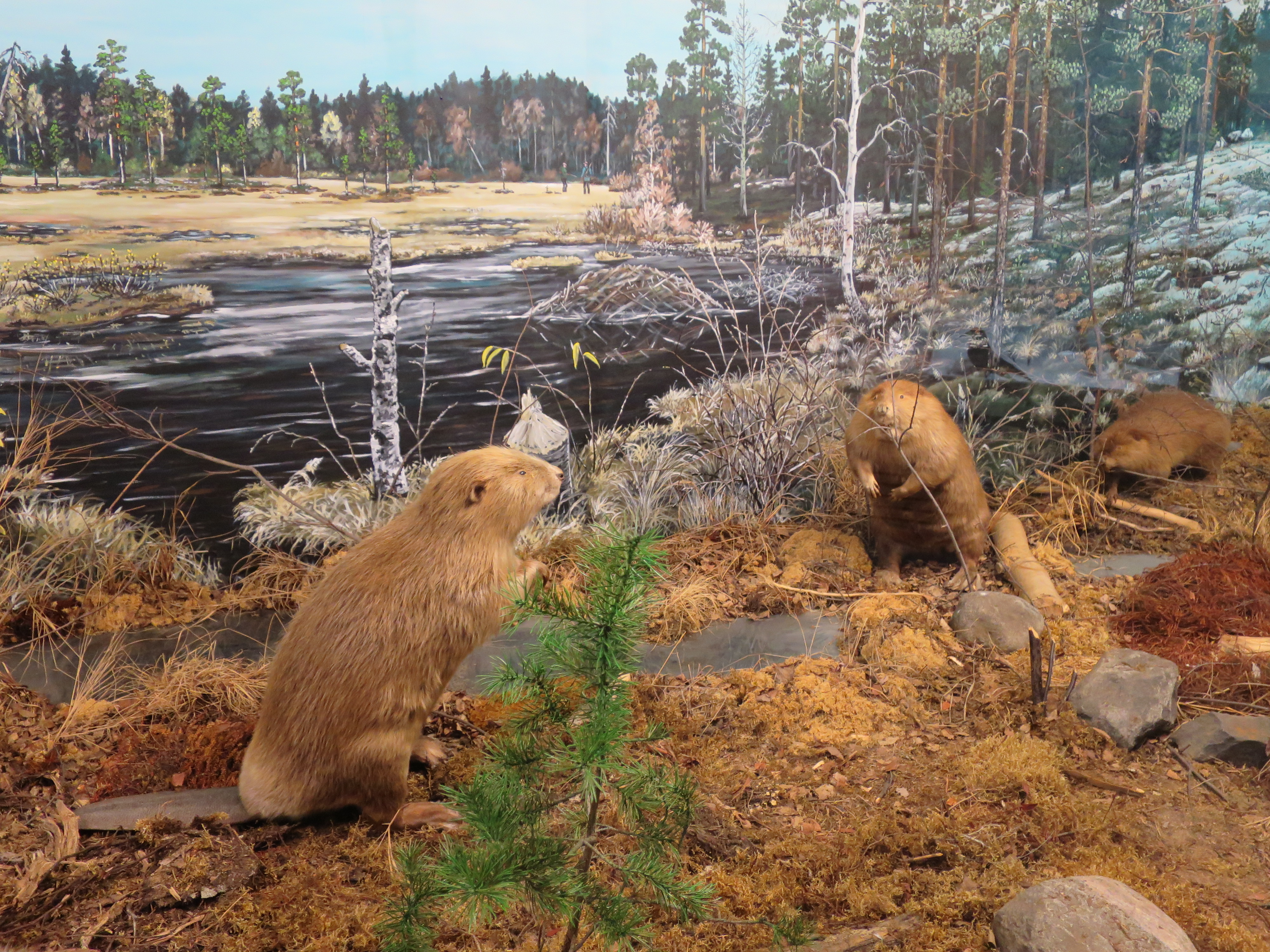
If I asked someone to tell me why they think beavers were hunted in the past, I think the most likely answer would be ‘for their fur’. As I’ve done research on the partial extinction then reintroduction of the European beaver, I’ve come to realise more and more that this answer has to do with the North American beaver (Castor canadensis) in early modern Canadian colonial environmental history than the European beaver (Castor fiber). I think that the importance of the Canadian beaver for the fur trade in the 17th century to make fashionable wide-brimmed felt hats has made us think that this was always why beaver had been killed. This is apparent if we look…
You May Also Like
Species versus individual stories
British beaver hype
On the origins of the beaver
-
Locals in the landscape
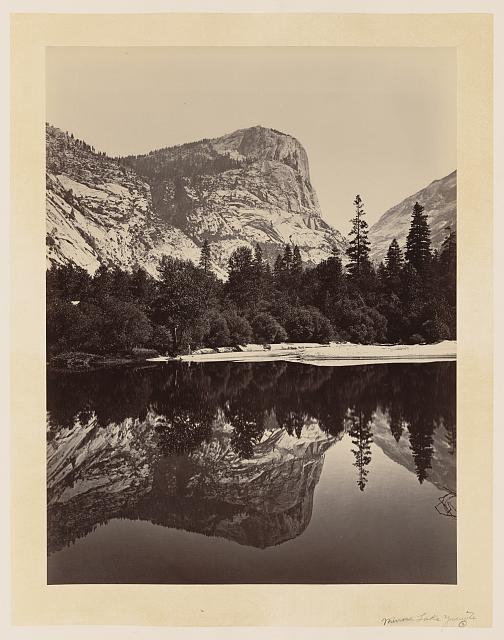
This week, Eric Michael Johnson published a piece at Scientific American, ‘Fire Over Ahwahnee: John Muir and the Decline of Yosemite’, about the drive by conservationists to both extinguish fire and the indigenous peoples who lived in the areas which would become some of the most famous ‘natural’ wonders in the US. This is a sad tale that many people within the field of restoration ecology are only now coming to grips with–the very thing that was valued was not ‘wilderness’ but rather anthropogenic. This resonated with my recent thoughts about the tendency to de-humanise thoroughly human landscapes. But it also got me thinking about whose interests get to count…
-
Speaking in silence
In this project on reintroduction histories, I am particularly interested in how ideas of ‘belonging’ play into reintroduction or introduction of animals and then how animals are attributed ‘belonging’ after they have returned or come to a place. Museums are one place where that belonging happens. That’s why I’ve written a fair amount about museum displays on this blog. I’ve shown the great variety of ways muskox displays and beaver exhibits work–what they say and what they don’t. I’ve criticised some museums for not taking advantage of history-telling opportunities. I’ve talked about the opportunities and limitations of asking museum-visitors to consider reintroduction issues through questions. I’ve pondered about the telling of individual versus species stories. I’ve discussed the…
-
Treating humans as unnatural
This week I’ve been at the Society for Ecological Restoration Europe 2014 meeting in Oulu, Finland. It’s always interesting to hear how the scientists of restoration ecology and practitioners of ecological restoration go about their work. One of the things that struck me early on in the conference was how many of the projects were restoring human-created ecosystems that harbour rare plant species, particularly open wood pastures, rangeland and grassland which only existed because of livestock grazing. I recently published an article on medieval wood pasture management in the edited volume European wood-pastures in transition, so I liked these restoration projects. However, I noticed that not many people overtly said…